
Top Tube Bags
Top tube bags are made for bikepacking and cycling setups that benefit from quick-access storage within easy reach. They are commonly used for small items you may want to grab while riding, such as snacks, a phone, tools, or other compact essentials, depending on the individual bag’s size and layout.
When comparing top tube bags, look at attachment style, capacity, and how the bag sits on the bike’s top tube. Shape, closure type, and access method can all affect convenience, especially on longer rides or rougher routes.
Showing 1–12 of 105 results
-
Top Tube Bags
APECYC XH5001 Hard-Shell Bike Top Tube Bag with Touchscreen Window
$19.99 View on Amazon


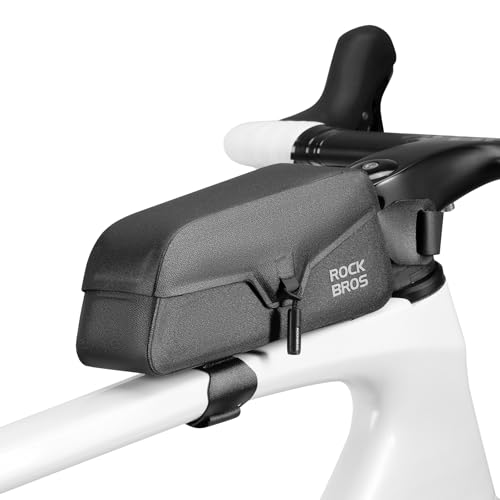


Top tube bags are a practical storage option for riders who want small essentials close at hand without adding much bulk to the bike. In bikepacking and everyday cycling setups, they are often chosen for items that need quick access during a ride, such as snacks, navigation devices, repair items, or other compact gear. The exact use will depend on the bag’s size, shape, and mounting design.
What to compare in top tube bags
Fit and attachment are some of the most important details to review. A top tube bag should sit securely without interfering with pedaling or movement on the bike. Some designs attach directly to the frame, while others may use straps or other mounting methods. It is worth checking how the bag is intended to mount and whether that approach matches your bike and riding style.
Capacity and access are also useful comparison points. Smaller bags may work well for a few ride essentials, while larger versions can hold more but may take up additional room on the frame. The opening style can affect how easy it is to reach contents while riding or stopped. A simple zippered design may suit many riders, but the best choice depends on how often you plan to open the bag on the move.
Shape, stability, and bike compatibility
Top tube bags come in different lengths, heights, and profiles, so it helps to compare how each one fits around your frame and cockpit area. A lower-profile bag may feel less noticeable, while a taller or longer bag can offer more storage. Riders with different frame sizes or cable routing setups may need to pay extra attention to clearance and placement. Checking the individual product details is the safest way to confirm compatibility.
For bikepacking use, durability and weather resistance are often considered, but those qualities can vary by product. Review the listing carefully if those factors matter for your routes, storage needs, or riding conditions. For Yaptor shoppers, the main goal is to compare the available listings and find the layout that suits the bike and the way you ride.
Plan the bag’s position
Before a longer ride, compare a bag’s stated dimensions with the clear space on your frame. Consider knee movement, cable routing, and room around the stem and handlebars. A useful fit check is to mount the bag as directed, then turn the handlebars and pedal while stationary to spot possible interference. Repeat the check with the bag loaded as you expect to carry it, and make sure its attachments stay secure.
Think about where you want gear to sit as well as how much you want to carry. A top tube bag can keep a few frequently used items within reach; for storage elsewhere on the bike, compare frame bags or handlebar bags. Even when an item is easy to reach, stop before opening a bag or retrieving anything that takes your attention from riding.