

Top tube bags are a practical way to keep small items within easy reach while riding. They can be a good fit for bikepacking, commuting, training rides, and long days when stopping every time you need a snack, tool, or phone would be inconvenient.
Choosing one is mostly about fit, access, and stability. The right bag should suit your frame shape, leave enough room to pedal and steer comfortably, and hold the items you actually want to reach quickly.
Because designs vary, it helps to compare shape, mounting method, closure style, and storage layout before you decide. Specifications vary by model, so always check the individual product page before buying.
Compare Top Tube Bags


As an Amazon Associate we earn from qualifying purchases.
What should you look for in a top tube bag?
Start with fit and access. A good top tube bag should sit where you can reach it without interfering with pedaling or movement, and it should stay put when the bike is rough or loaded. After that, compare how securely it mounts, how easy it is to open with one hand, and whether the interior layout matches what you plan to carry.
| Feature | What It Means | Why It Matters | What To Check |
|---|---|---|---|
| Fit on the bike | How the bag matches the space on your top tube and head tube area | Fit affects comfort, clearance, and whether the bag feels natural to use | Bag length, placement, and whether it can sit without interfering with cables, stems, or knee movement |
| Mounting style | How the bag attaches to the bike | Mounting affects stability, ease of installation, and how much the bag can shift on rough surfaces | Straps, bolts, or other attachment details listed on the product page |
| Access style | How you open the bag and reach inside | Quick access matters if you want snacks, tools, or a phone while riding | Zipper placement, lid shape, and whether it opens smoothly with one hand |
| Storage layout | Internal organization and pocket design | Organization can make a small bag much easier to live with | Single compartment or divided space, plus any internal sleeves or pockets |
| Weather resistance | How the bag is built to handle splashes and damp conditions | Helpful for mixed weather and dirty rides, but not the same as full waterproofing | Fabric description, zipper style, and any weather notes from the product page |
| Clearance | How much room the bag leaves for pedaling, steering, and bottle access | Poor clearance can make a bag annoying even if the storage size is right | Shape, height, and whether it may interfere with your riding position |
Key decision criteria
Size and shape
Top tube bags are usually chosen for convenience rather than maximum capacity, so size is often the first trade-off. A larger bag may hold more and organize better, but it can also crowd the top tube or get in the way of bottle use and leg movement. A smaller bag is easier to place and often less noticeable, but it may only fit a few essentials.
Mounting and stability
Some buyers want a bag that is easy to remove, while others prefer a more fixed setup. What matters most is whether the attachment method suits your bike and the kind of riding you do. If your routes are rougher, stability may matter more than quick removal. If you swap bikes often, a simpler attachment may be more useful.
Opening and access
Think about what you will reach for most often. A bag meant for snacks or a phone should open quickly and predictably, while a bag used mainly for tools can prioritize secure closure and internal separation. A zipper that looks fine in photos may still feel awkward if it is hard to operate while riding, so check the opening direction and placement.
Material and weather handling
Top tube bags are used close to the front of the bike, where they may pick up spray, dust, and grime. Some models are built to be easier to wipe clean, while others focus more on structure or lightweight construction. If you ride in changeable weather, it is worth checking how the product page describes the fabric, seams, and closure.
Compatibility with your setup
Compatibility is not just about frame size. It also includes where your cables run, how much top-tube space you have, and whether the bag leaves enough room for accessories you already use. A bag that fits one bike well may feel cramped on another, even if the frame size is similar.
Common top tube bag types and variants
Top tube bags do not vary as widely as some other bikepacking bags, but there are still a few useful distinctions.
- Compact bags: Best for small essentials such as snacks, a multitool, or a phone. Their main limitation is limited capacity.
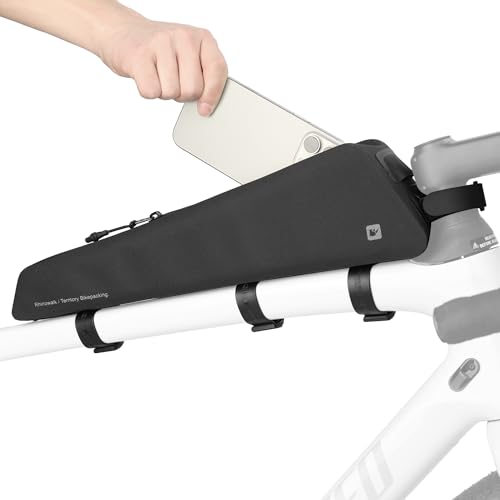
- Longer top tube bags: Better if you want more room or a larger opening. Their main trade-off is that they can take up more bike space.
- Bolted or semi-fixed styles: Good for riders who want a more secure feel. Their limitation is reduced flexibility if you change bikes or setups often.
- Strap-mounted styles: Often simpler to move between bikes. Their limitation is that stability can depend more on strap placement and frame shape.
Which type suits different riders?
| Buyer need | What to prioritize | Why it helps | Possible compromise |
|---|---|---|---|
| Bikepacking and touring | Stable mounting, enough storage, easy access | Helps keep small essentials close without digging through larger bags | More secure designs may be less quick to remove |
| Commuting | Quick access, simple organization, easy cleaning | Useful for items you reach for often during shorter rides | May not need as much capacity or weather protection |
| Training and sport riding | Low interference, compact shape, secure fit | Minimizes distraction and keeps the bike feeling clear | Less space for extras |
| Riders with packed cockpit areas | Clearance and careful placement | Helps avoid overlap with cables, hands, or accessories | May require a smaller or more selective bag choice |
| Gift buyers | General compatibility and simple design | Reduces the chance of choosing a bag that is awkward on the recipient’s bike | Without bike details, the safest choice may be a modest, flexible design |

Common mistakes to avoid
- Choosing by size alone: Storage space matters, but fit and clearance matter just as much.
- Ignoring how you will use it: A bag for snacks and one for tools do not need the same layout.
- Overlooking cable and cockpit clearance: A bag can look small online and still be awkward on the bike.
- Assuming weather resistance means waterproof: Product descriptions can mean different things, so check the wording carefully.
- Forgetting about one-handed access: If you plan to use the bag while riding, opening style is a major part of the buying decision.
Safety and suitability caveats
A top tube bag should never make the bike harder to control or put the rider in an awkward position. Before buying, check that the bag shape and mounting method make sense for your frame and riding style. If you are unsure about fit, the most useful information is the individual product page and your bike’s own space constraints.
Maintenance and long-term use
Most top tube bags benefit from basic care: emptying dirt and crumbs, wiping the outside after messy rides, and letting the bag dry before storage if it gets damp. If the bag uses straps or zippers, those parts are worth checking periodically because they affect everyday usability more than the bag’s appearance does. A well-chosen bag tends to last longer in practice when it is easy to clean and simple to mount securely.
How to compare options efficiently
- Decide what you want to carry and how often you need to reach it.
- Check whether your bike has enough space for the bag shape you are considering.
- Compare the attachment method for convenience versus stability.
- Look at the opening style and internal layout for everyday usability.
- Review the product page for any fit notes, weather language, or clearance details.
Top tube bag buyer checklist
- Will it fit your frame without crowding pedaling or steering?
- Does the mounting style match how securely you want it to stay in place?
- Is the opening easy to use for the items you will reach most often?
- Does the size match what you actually plan to carry?
- Does the shape leave room for cables, bottles, and cockpit accessories?
- Is the weather description appropriate for your riding conditions?
- Will it be easy to clean and maintain after regular use?
Frequently asked questions
What is a top tube bag used for?
It is used for small items you want to access quickly while riding, such as snacks, tools, a phone, or similar essentials. The main appeal is convenience: you do not have to stop or dig through larger storage every time you need something.
How do I know if a top tube bag will fit my bike?
Check the bag’s shape and placement details against your frame space, cable routing, and cockpit setup. The right choice depends on more than frame size alone, so it helps to compare the bag’s dimensions and mounting approach with your bike’s layout.
Are top tube bags waterproof?
Some are designed to handle wet conditions better than others, but not every bag is fully waterproof. Look closely at the product wording for weather resistance, and treat it as a specific feature rather than an automatic assumption.
Should I choose a strap-mounted or bolted style?
That depends on whether you value flexibility or a more fixed setup. Strap-mounted bags are often easier to move between bikes, while bolted or semi-fixed options may feel more integrated once installed. The better choice is usually the one that matches your bike and how often you change setups.
What should I carry in a top tube bag?
These bags are usually best for small, frequently used items rather than bulky gear. The exact contents depend on your riding style, but the idea is to store things you want to reach quickly and safely.
Is a larger top tube bag always better?
Not necessarily. Larger bags offer more space, but they can also reduce clearance and feel more noticeable on the bike. The best size is the one that balances storage with comfort and unobtrusiveness.
How can I compare two similar bags?
Focus on fit, mounting, access, and organization rather than trying to compare everything at once. If two bags seem similar, the small differences in shape and opening style often make the biggest difference in everyday use.
More Top Tube Bags
See all 105 Top Tube Bags →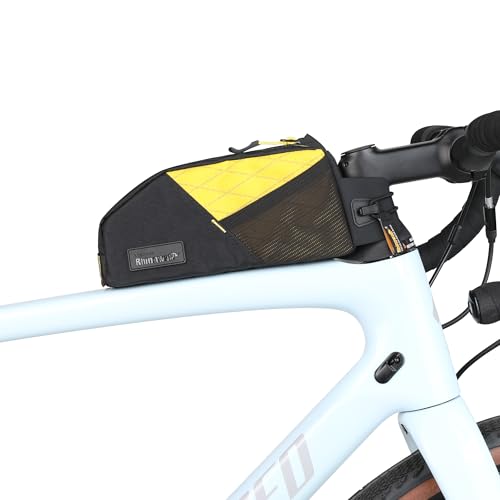


As an Amazon Associate we earn from qualifying purchases.