
Frame Bags
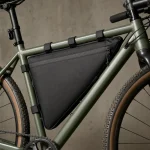
Frame bags are designed for cyclists and bikepackers who want to use the space inside a bike’s main triangle for compact storage. They are often chosen for carrying items that are useful on longer rides, such as tools, food, layers, or repair essentials, while keeping the load centered on the bike.
When comparing frame bags, check the bag shape against the frame size and the style of riding you plan to do. Attachment method, access points, and compartment layout can also matter, especially if you want quick access while riding or prefer a more secure fit for rougher routes.
Showing 1–12 of 86 results


Frame bags are a practical bikepacking storage option that uses the open space inside the bicycle frame. Because they sit within the main triangle, they can help keep weight low and centered, which many riders find useful when balancing a loaded bike. The exact fit depends on the frame geometry, so the most helpful listings are the ones that make it easy to compare dimensions, mounting style, and overall shape.
What frame bags are used for
These bags are commonly used to carry compact gear that does not need constant access, such as tools, snacks, electronics, first-aid items, or extra clothing. Some designs favor maximum storage volume, while others leave room for water bottles or other frame-mounted accessories. If you are planning mixed terrain or long days in the saddle, the layout of the bag can matter as much as the size.
Fit and access are the main comparisons
Frame bags are rarely one-size-fits-all in a practical sense. A good match usually depends on how the bag works with your frame shape, top tube height, and bottle-cage placement. Riders often compare full-frame and partial-frame styles, as well as whether the bag opens from one side or uses multiple zippers or pockets. Easy access can be helpful for frequently used items, while a simpler design may be better if you want straightforward storage.
Features worth checking on individual listings
Look closely at attachment points, internal organization, and the way the bag closes. A secure fit can help reduce movement on rough roads or trails, while a thoughtfully placed opening may make it easier to reach gear without unloading the bag. If a listing includes compatibility notes or sizing guidance, it is worth reviewing those details carefully before choosing. For bikepacking setups that need a balanced cargo system, frame bags often work best alongside other bags in the same category family.
Check clearance with your full setup
Before choosing a size, compare the bag’s stated dimensions with the usable space inside your frame, rather than relying on a size label alone. Account for bottle cages and bottles, cables, mounts, and any frame hardware that could affect placement or access. Leave enough clearance for pedaling and for the bag’s straps or attachment points. If the listing provides a fit guide, use its measurements alongside your bike’s dimensions.
Match weather protection to the trip
Water resistance varies by design, and a water-resistant description does not necessarily mean a bag is waterproof. For wet-weather travel, check what the listing says about the fabric, seams, and closure, and consider whether sensitive items need separate protection. Pack dense items so they stay secure and do not press against openings or interfere with access to other gear.