
Rear Bike Racks
Rear bike racks are made for carrying cargo on the back of a bicycle, giving riders a steady place to mount bags, baskets, or other compatible accessories. They are often compared by fit, mounting style, and how much clearance they leave around the frame, wheel, and brakes.
When browsing rear bike racks, check the bike type, attachment points, and intended load setup so the rack matches the way you ride and carry gear. The right choice usually depends on how much storage you want and how the rack works with your existing equipment.
Showing 1–12 of 106 results
-
Rear Bike Racks
Adjustable Bike Rear Rack with Quick Release Clamp and Tie Straps
$21.98 View on Amazon -
Rear Bike Racks
Adjustable Rear Bike Cargo Rack, Lightweight Alloy, 55 lb Capacity, Black
$29.39 View on Amazon -
Rear Bike Racks
Aikolesa Quick Release Rear Bike Cargo Rack for 26″ to 29″ Bikes
$32.99 View on Amazon
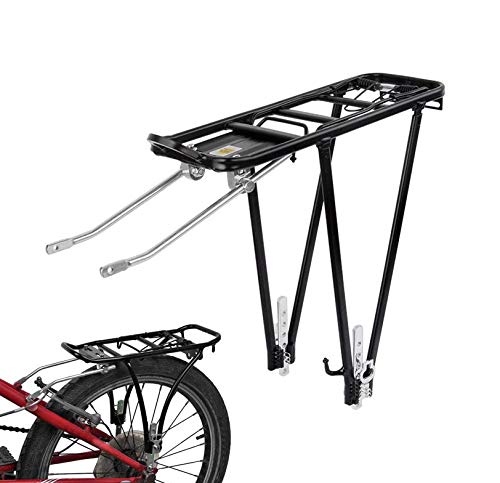

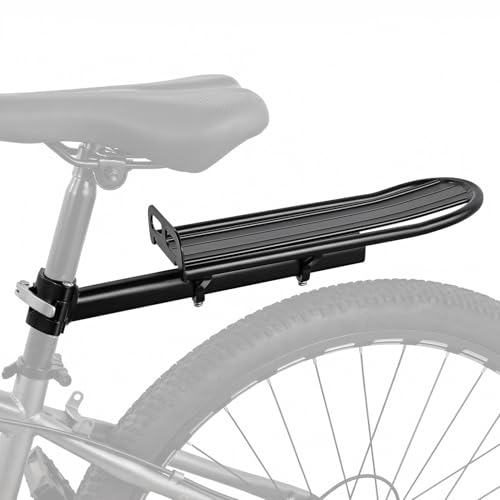


Rear bike racks are a practical way to add carrying capacity to a bicycle without relying on a backpack or handlebar-mounted storage. They are commonly used for commuting, errands, touring, and everyday riding when you want cargo positioned over the rear wheel. Because this category covers a specific mounting location, the most useful comparisons usually come down to how the rack attaches, how it fits the bike, and what kind of accessories or bags it is intended to support.
What to compare in a rear rack
The first thing to check is compatibility with your bike frame and wheel setup. Some racks are designed around specific mounting points, while others are meant to work with a wider range of bikes. It is also worth looking at the space available around fenders, disc brakes, and rear pannier use if those details matter for your setup. A rack that looks similar at first glance may still differ in arm length, shape, or mounting position.
Another useful consideration is the style of cargo you plan to carry. Some riders want a stable base for panniers, while others are mainly looking for a platform for strapped-down items or a support for a rear basket. Product descriptions may also highlight adjustability, which can help with fit, but the individual listing should always be checked for the exact setup and hardware included.
Choosing a rack for everyday riding
For commuting and routine use, convenience and stability often matter most. A rear bike rack should sit securely, stay clear of moving parts, and work cleanly with the rest of the bike’s layout. If you use bags regularly, compare how the rack positions cargo and whether it leaves enough heel clearance while pedaling. If you plan to swap accessories often, look for rack designs that are easy to live with and simple to pair with your preferred carrier style.
How to read product details
Product pages in this category can vary in the details they emphasize, so it helps to review each listing closely rather than assuming one rack fits every bike. Check the mounting method, supported use, and any fit notes provided by the retailer. That makes it easier to compare rear bike racks that may serve different riding needs even within the same category.
Load limits and cargo balance
Before carrying gear, compare the rack’s stated load limit with any lower limit specified for the bike or its mounting points. The safe working limit is constrained by the lowest applicable rating, so avoid treating the rack’s capacity as the capacity of the whole bike. Distribute cargo securely and as evenly as practical; a heavy or shifting load can affect handling. For touring or regular commuting, consider how the loaded setup feels and whether bags stay clear of your heels, wheel, and other moving parts.