
Static Climbing Ropes
Static Climbing Ropes are used for rope access, hauling, rescue, and other climbing applications where low stretch is important. Shoppers typically compare diameter, length, handling feel, and the intended use listed on each product page to find a rope that fits the job.
Because different ropes are designed for different systems, it is worth checking compatibility with hardware, anchor setups, and the activity you have in mind. Review the individual details for construction and usage guidance before comparing options.
A static rope is not a substitute for a dynamic rope when a climbing fall may load the rope; choose equipment designed for that specific use.
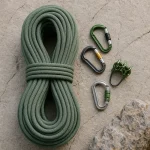
Showing 1–12 of 100 results
-
Static Climbing Ropes
1/2 in x 100 ft Polyester Arborist Rope, ASTM F2116 Certified
$34.99 View on Amazon -
Static Climbing Ropes
1/2 in x 120 ft Arborist Rope, 9000 lb Breaking Strength
$35.99 View on Amazon -
Static Climbing Ropes
1/2 Inch 150FT Arborist Climbing Rope, Double-Braided Blue
$59.99 View on Amazon -
Static Climbing Ropes
1/2 Inch x 100 ft Arborist Tree Climbing Rope, ASTM F2116 Certified
$34.99 View on Amazon -
Static Climbing Ropes
10.5 mm Static Climbing Rope, 100 ft, Orange, Model 0311040103
$85.99 View on Amazon -
Static Climbing Ropes
11mm Static Rope 26KN Safety Rope for Climbing and Work at Height
$39.98 View on Amazon


Static Climbing Ropes are designed for situations where minimal elongation matters more than fall absorption. They are commonly used in rope access, rescue work, hauling systems, caving, and other tasks that depend on a stable line. This category helps you compare the available options based on the kind of use each rope is intended to support.
What to compare on a static rope
When reviewing listings, start with the rope’s intended application and then look at practical details such as diameter, length, and how the rope is described for handling. Those factors can affect how the rope works in anchors, ascenders, descenders, and other compatible gear. A rope that feels right for one system may not suit another, so it is important to match the listing to the job rather than assuming all static ropes are interchangeable.
Match the rope to the activity
Static ropes are not the same as dynamic climbing ropes, which are built to stretch more under load. That difference matters for use cases where controlled movement, raising, lowering, or positioning is the main goal. If you are comparing products for rescue, work positioning, or hauling, check the product details carefully and follow the guidance provided by the manufacturer or retailer for intended use.
Check compatibility and product details
For climbing-related gear, compatibility is especially important. Look at the rope description alongside the rest of your setup, including devices, connectors, and any system-specific requirements. It is also sensible to confirm care instructions and any usage notes on the individual listing, since rope performance and handling can vary by construction even within the same category.
Plan for the setup and intended use
Before choosing a length, account for the full system: the working distance, anchor arrangement, knots, and any extra rope needed for the planned setup. Confirm the stated length and units on the product details rather than relying on a title alone. Check that the rope’s diameter is within the operating range specified by the manufacturer of each device used with it.
For life-safety applications, verify the rope’s stated intended use and any applicable standards or certifications in manufacturer documentation. A static rope is not designed to absorb climbing falls in the way a dynamic rope is. Follow equipment instructions and seek qualified guidance when selecting or using a rope system.