
Climbing & Mountaineering
Climbing & Mountaineering covers the core gear used for rope climbing, alpine travel, indoor training, and more technical mountain objectives. Visitors can compare products for protection, connection systems, rope handling, and personal safety, depending on the type of climbing or ascent they plan to do.
Because the needs for bouldering, belaying, via ferrata, and ice or alpine use are different, it helps to review the individual category and product details closely. Look for the features that match the route, the environment, and your experience level.
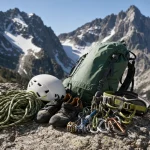
-

Belay & Rappel Gear460 Products
-

Caving & Canyoneering Gear143 Products
-
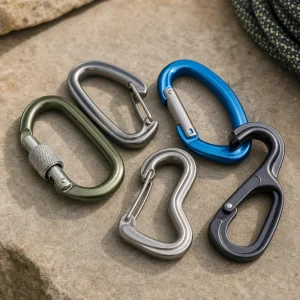
Climbing Carabiners262 Products
-
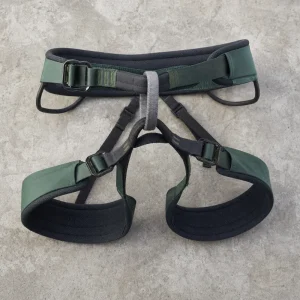
Climbing Harnesses229 Products
-
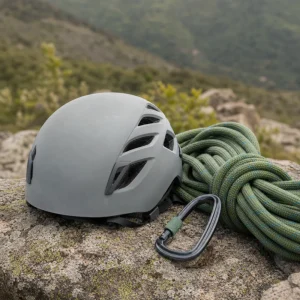
Climbing Helmets85 Products
-
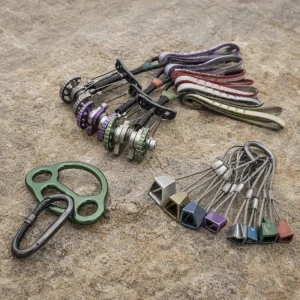
Climbing Protection326 Products
-
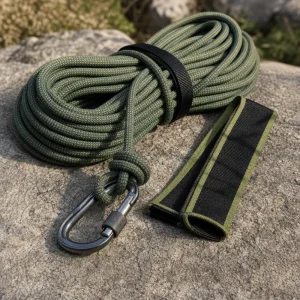
Climbing Ropes352 Products
-
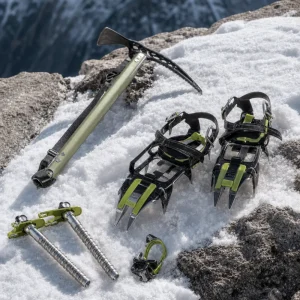
Ice Climbing & Alpine Gear375 Products
-
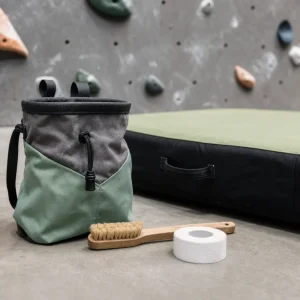
Indoor & Bouldering Gear481 Products
-
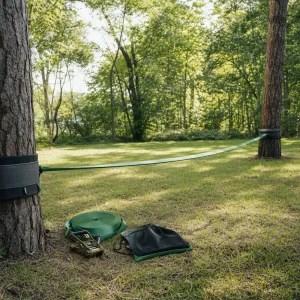
Slacklines & Highlines293 Products
-
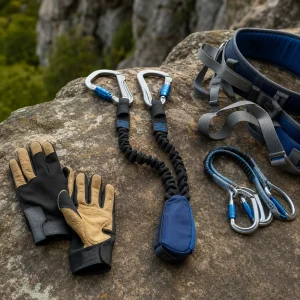
Via Ferrata Gear103 Products
Climbing & Mountaineering brings together the equipment shoppers typically compare when building a climbing system or preparing for mountain travel. The category includes a wide mix of gear, from everyday climbing essentials to more specialized items used in technical environments. Visitors can browse the options to better understand which products support rope work, protection, movement, and safety on different types of terrain.
What this category covers
This category is broad enough to include both general climbing gear and more focused subcategories such as climbing harnesses, helmets, ropes, carabiners, and belay & rappel gear. It also extends to specialized areas like indoor & bouldering gear, ice climbing & alpine gear, via ferrata gear, slacklines & highlines, and caving & canyoneering gear. That structure helps shoppers compare the right type of equipment without mixing unrelated products together.
Choosing gear by activity
The best choice depends on how and where the gear will be used. Indoor climbing and bouldering often call for different priorities than outdoor rope climbing, while alpine and ice environments may require more specialized tools and apparel-compatible systems. If you are comparing products for a particular style of climbing, check the dedicated subcategory first so you can focus on the most relevant listings.
What to compare on individual listings
When reviewing products in this category, it helps to pay attention to the intended use, compatibility with other gear, and any size or fit guidance shown on the product page. For items such as harnesses, helmets, ropes, and protection, small differences can affect comfort, handling, and how well the item works as part of a larger setup. If a listing includes technical details, review them carefully and confirm that they match your route, skill level, and any required system components.
Use the subcategories to narrow your search
The child categories make it easier to compare similar gear without wading through everything at once. For example, someone shopping for belaying or rappelling can stay within that type of hardware, while another visitor can focus on climbing ropes or climbing protection. That approach keeps the category useful for both casual climbers and people looking for more specialized mountaineering equipment.
As you compare listings, follow the product page for current details and review the retailer’s description closely. That is the most reliable way to judge whether a specific item suits your planned use.
How the activity changes the gear
Different climbing styles involve different equipment needs. Rope climbing commonly involves coordinated choices across ropes, harnesses, carabiners, protection, and belay or rappel devices. Indoor and bouldering gear serves a different setting from equipment intended for alpine or ice objectives, while via ferrata and caving or canyoneering have their own activity-specific categories. Slacklines and highlines are another distinct use rather than a substitute for climbing protection. Use these categories to narrow the search, then assess each item for its stated purpose.
For life-safety equipment, consider the complete system and the demands of the planned activity, not just an item’s name or appearance. Read the manufacturer’s instructions and any stated compatibility, sizing, use, and inspection guidance. Where relevant, check whether a product identifies standards or certifications applicable to your use; do not assume that a category label alone confirms them. If you are uncertain about equipment selection or setup, seek guidance from a qualified climbing instructor or other knowledgeable professional.