
Climbing Protection
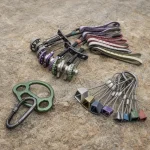
Climbing Protection covers the gear climbers use to build, place, and remove protection in rock and alpine systems. Shoppers compare items such as cams, nuts, pitons, slings, hexes, and anchor components based on the kind of terrain they are meant for and how they fit into a rack.
When comparing options, check intended use, size range, and compatibility with your existing setup. For many items, the most useful differences are how they place, how they are removed, and whether they suit trad climbing, anchor building, or other specific climbing needs.
-
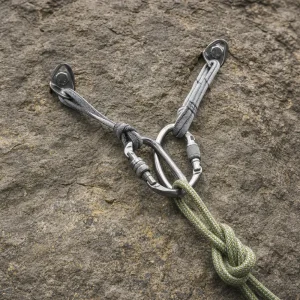
Anchor Systems45 Products
-
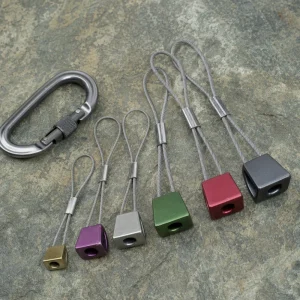
Climbing Nuts54 Products
-
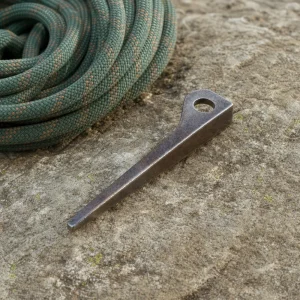
Climbing Pitons52 Products
-
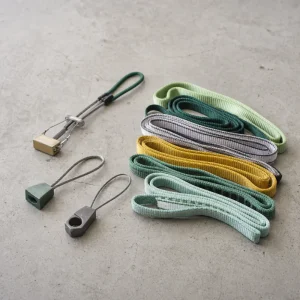
Climbing Slings99 Products
-
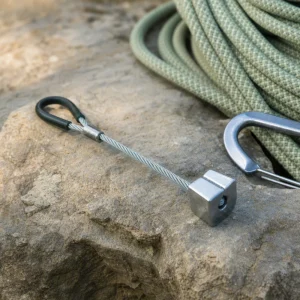
Hexes2 Products
-
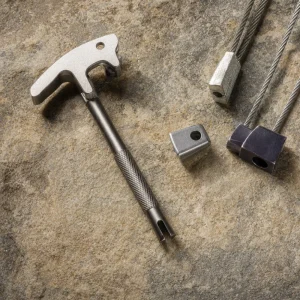
Nut Tools5 Products
-
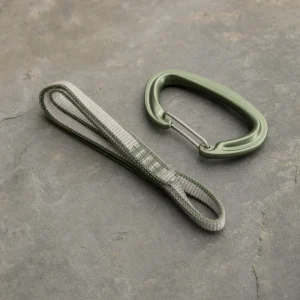
Sewn Runners15 Products
-
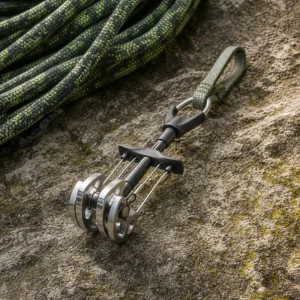
Spring-Loaded Camming Devices53 Products
Climbing Protection brings together the hardware and rigging pieces climbers use to create protection and anchors on the wall or in the mountains. This category is useful for anyone building a rack, replacing a worn component, or comparing the different ways protection can be placed in rock or alpine terrain. The listings may include active and passive protection, along with related tools and connection pieces.
Types of protection and how they differ
Some products in this category are designed to fit into cracks or placements, while others help connect or extend points in a system. Spring-loaded camming devices and climbing nuts are common choices for many trad setups, while hexes and pitons may suit more specific terrain or preferred techniques. Slings and sewn runners are typically used to extend placements, build anchors, or reduce rope drag. Anchor systems and nut tools serve different roles again, so it helps to compare each product by its intended job rather than treating all protection as interchangeable.
What to compare on individual listings
Because climbing protection is often chosen for a particular style of climbing, it is important to review the product details closely. Look at size ranges, intended applications, and any compatibility notes that matter to your existing gear. For placement and removal, the shape and design of the piece can make a practical difference. For slings and runners, the way they are connected and used in the system may matter more than the broad category label.
Choosing for the terrain and system
The right choice often depends on the terrain you expect to encounter and how you like to organize your rack. Some climbers prefer a compact setup with a few versatile pieces, while others compare a wider range of sizes and styles for different crack widths or anchor-building needs. If you are comparing several options, check the individual product page and think about how each item fits the rest of your climbing and mountaineering equipment.
You can browse the available options in this category and compare the listings to find protection pieces that match your route style, system preferences, and intended use.
Use and inspection matter
Protection depends on more than the hardware: placement quality, the surrounding rock, and the direction of force can all affect how a piece functions. A product’s rating alone does not confirm that a particular placement or anchor is secure. Learn placement and anchor practices through qualified instruction, follow the manufacturer’s use and inspection guidance, and remove equipment from service according to its stated retirement criteria.