
Climbing Nuts
Climbing Nuts are passive climbing protection pieces used to place removable protection in cracks and other constrictions. Shoppers often compare shape, size range, and the way each nut fits different rock features, since the right choice depends on the placement rather than a one-size-fits-all spec.
When reviewing options in this category, check the individual product details for the sizes included, intended use, and any compatibility notes. Many climbers also look at how easy a nut is to place and clean, especially when building a rack for varied route conditions.
Showing 1–12 of 54 results


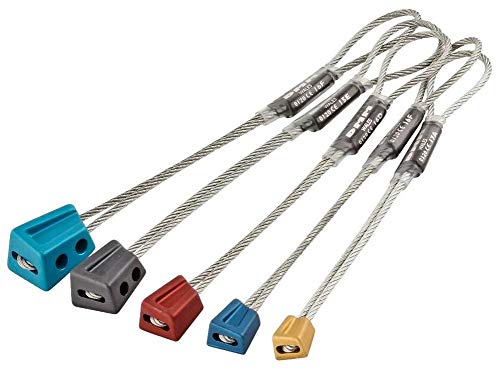
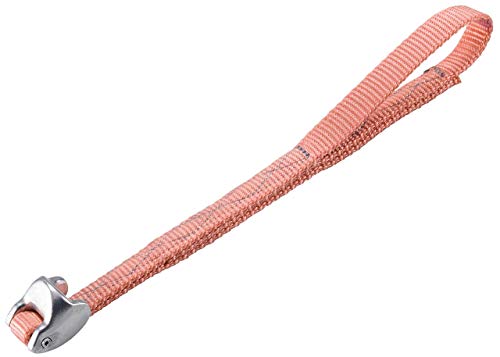

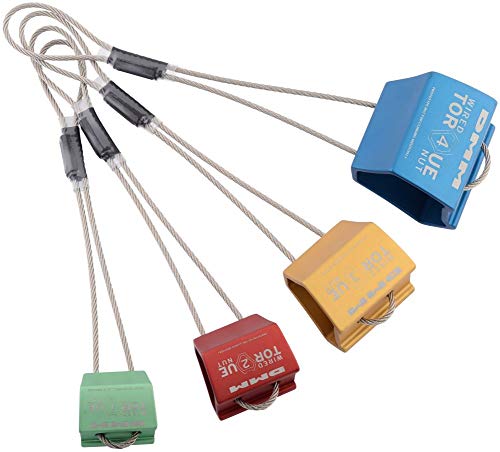

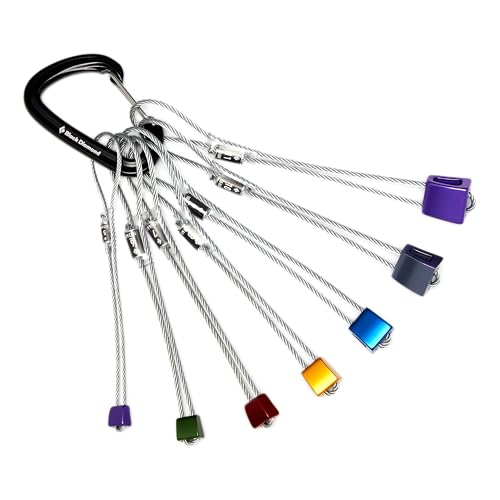


Climbing Nuts are a key part of removable climbing protection. They are designed to seat in natural constrictions, so the main choice is usually how well a nut shape and size range matches the rock features you expect to encounter. Because placements can vary widely, it helps to compare the available sizes, profiles, and any notes about intended use on each listing.
Some nuts are shaped to fit a broad range of placements, while others are better suited to narrower or more specific cracks. Climbers often consider how easily a nut can be placed securely, how straightforward it may be to remove after the climb, and whether the piece seems appropriate for the kind of rock and route style they use most often. The best fit depends on the placement itself, so it is worth checking individual product details rather than assuming one design works everywhere.
If you are building out a rack, think about balance as well as single-piece choices. A set or range of sizes can help cover different crack widths and constriction shapes, while a smaller selection may suit more focused use. Comparing Climbing Nuts alongside related protection options can also help when deciding whether you need a passive piece for a particular placement or a different style of protection for another part of your kit.
Compare profiles and placement range
Shape can matter as much as nominal size. A tapered profile may suit some constrictions, while an offset profile can sit differently in an irregular crack. When product details provide dimensions or a size range, compare those details with the types of placements you encounter; overlapping sizes can offer alternatives when one shape does not seat well. Specialized designs, including ball nuts, use a different placement mechanism from conventional passive nuts, so check the individual description rather than assuming every item works the same way.
Use and inspect protection carefully
A nut’s effectiveness depends on the placement, the rock, and the forces it may experience—not just its size or appearance. Climbing protection requires sound judgment and appropriate training; use manufacturer instructions and qualified instruction for placement practices. Before use, inspect each piece for damage or wear, including its cable and attachment points, and retire gear according to the manufacturer’s guidance. Category descriptions are not a substitute for evaluating an actual placement.