

Gravel bike tires are designed for riding that may combine paved roads, hard-packed paths, and looser surfaces. The right choice depends on where you ride most and what your bike can accommodate.
This guide explains the trade-offs between tread styles and tire widths, and how to check the fit details that matter. A tire’s category name alone does not confirm compatibility with a particular bike or rim.
Compare Gravel Bike Tires


As an Amazon Associate we earn from qualifying purchases.
How do you choose gravel bike tires?
Start with the tire size and maximum width your bike and rims support. Then choose a tread pattern suited to your usual surfaces: smoother tread often favors faster rolling on pavement and firm paths, while more pronounced tread can provide more grip on loose ground. Consider how much of your riding is mixed-surface rather than choosing for an occasional exception. Verify the size and compatibility information for both the tire and your bike before buying.
Gravel tire features compared
| Feature | What It Means | Why It Matters | What To Check |
|---|---|---|---|
| Tire size | The diameter and width markings shown for the tire. | The tire must fit the wheel, and its width must suit the bike. | Compare the markings with your current tire, rim guidance, and bike manufacturer’s fit information. |
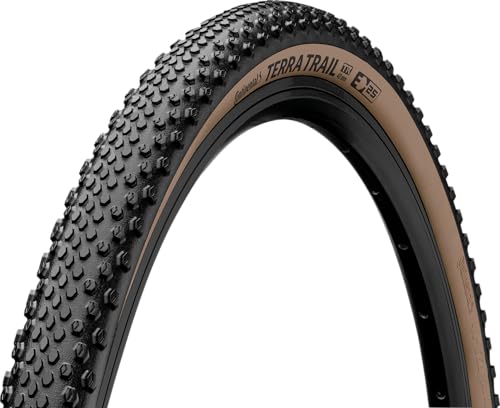
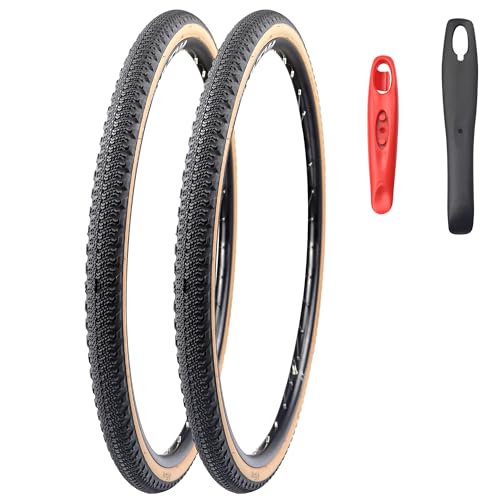
| Tread pattern | The shape and prominence of the raised tread across the center and edges. | Tread involves a trade-off between rolling easily on firm surfaces and seeking grip on loose terrain. | Look at the tread across the full tire and consider your most frequent surfaces. |
| Maximum tire clearance | The space available around the tire within the frame and fork. | A tire that is too wide for the bike may not fit as intended. | Check the bike manufacturer’s stated clearance and account for the exact tire size. |
| Tire and rim compatibility | Whether the tire’s design is suitable for the rim and intended setup. | Compatibility can depend on the specific tire and rim, not just their listed sizes. | Read both manufacturers’ compatibility information, including any stated tubeless requirements. |
| Protection and construction | Design details that may affect durability, weight, or ride feel. | These characteristics vary, and a feature may involve a trade-off rather than an all-purpose benefit. | Check the product details for stated construction and protection features; do not infer them from the category name. |
What to consider before choosing
Match the tire size to your bike
Begin with the size marking on your current tire, but treat it as a starting point rather than proof that every tire with similar numbers will fit. Check the new tire’s diameter and width against your rim and bike’s stated limits. Frame and fork clearance can differ, so a tire that fits one gravel bike may not fit another.
Choose width with clearance in mind
Within the sizes a bike supports, width is a balance between the ride you want and the room available. A wider option may be worth considering for rougher routes, while a narrower one may better suit a setup with limited clearance or a greater focus on paved riding. The best choice depends on the individual tire, rim, bike, and route; do not assume a wider tire is automatically suitable.
Match tread to your usual surfaces
Smoother center tread is generally aimed at reducing tread interaction on pavement and firm paths. More pronounced tread may suit riders who regularly encounter loose or uneven ground, though it can be less appealing when most riding is on smooth pavement. Many designs balance these aims, so consider the actual pattern rather than relying only on a product label.
Check setup compatibility and stated features
Do not assume a tire is compatible with every rim or with a tubeless setup. Look for explicit compatibility information for the tire and rim, and follow the guidance from their manufacturers. Specifications vary by model, so always check the individual product page before buying.
Common gravel tire types
- Smoother or slick-style tread: May suit riders who spend most of their time on paved roads and firm, predictable paths. It may be a less suitable trade-off for routes where loose ground is common.
- Low or semi-slick tread: Often combines a relatively smooth center with more tread toward the edges. It can be a practical compromise for mixed surfaces, but the exact design and feel vary.
- More pronounced tread: May suit routes with frequent loose or rough sections. The additional tread may be less appealing for riders who prioritize smooth rolling on pavement.
Choosing for your riding needs
| Riding priority | Characteristics to consider | Main trade-off |
|---|---|---|
| Mostly paved roads and firm paths | A smoother center tread and a size that fits the bike’s limits. | Less pronounced tread may be a compromise on frequently loose routes. |
| Regularly changing between pavement and gravel | A mixed tread pattern intended to balance smoother rolling and grip. | A middle-ground design may not be the preferred choice for either surface extreme. |
| Loose or rough gravel is common | More pronounced tread, provided the tire fits the bike and rim. | More tread may feel less suited to long stretches of smooth pavement. |
| Replacing a current tire | Matching the wheel diameter and checking width, rim, and bike clearance. | Similar-looking size labels do not by themselves confirm compatibility. |
Mistakes and misunderstandings to avoid
- Choosing by the word “gravel” alone: Gravel routes range from firm paths to loose surfaces. Compare the tread and stated size with your actual use.
- Assuming a tire will fit because the old one did: Replacement tires can differ in width or construction. Check the exact tire details and bike clearance.
- Focusing only on nominal width: Tire and rim compatibility also matter. Verify guidance for both components rather than relying on one measurement.
- Expecting one tread to excel everywhere: Tread choices involve compromises. Prioritize the surfaces you ride most often.
- Assuming tubeless compatibility: Look for explicit information about the tire and rim setup. Do not infer compatibility from a gravel label.
Safety and suitability
Choose tires intended for your type of bike and riding, and verify that the size is within the limits specified for the bike and rim. A poor fit or incompatible setup may affect how the tire works. If the available product details do not establish compatibility, consult the relevant manufacturer information before buying.
Ownership, maintenance, and storage
Plan to check the tire’s care and pressure guidance from its manufacturer, since recommendations can differ by tire and setup. If considering tubeless use, include any setup-specific requirements in your decision and check that the tire and rim are suitable for that arrangement. Storage needs are generally straightforward, but follow any care guidance supplied with the product and avoid assuming all tire materials have identical requirements.
A practical buying process
- Decide which surfaces make up most of your riding.
- Record the size of your current tire and check your bike’s maximum clearance.
- Choose a tread style that reflects your regular routes and the trade-offs you accept.
- Compare the stated tire size, construction, and compatibility information.
- Check the product details against the guidance for your bike and rims before buying.
Gravel bike tire buyer checklist
- Does the tire diameter match your wheel?
- Is the tire width within your bike’s stated clearance?
- Does the tread suit the surfaces you ride most often?
- Have you checked tire and rim compatibility, including any tubeless requirements?
- Are the product’s stated construction and care details suitable for your needs?
Frequently asked questions
Can gravel bike tires be used on pavement?
Many gravel tires can be used on paved roads, but their tread patterns differ. A smoother pattern may suit frequent pavement riding better, while more pronounced tread reflects a different balance for loose surfaces.
How do I know what tire size will fit my gravel bike?
Check the size markings on your current tire, then verify the proposed tire’s diameter and width against your rim and your bike’s clearance information. Similar markings alone do not guarantee fit.
Should I choose wider gravel tires?
Choose only a width that your bike and rim support. A wider option may be worth considering for some rougher routes, but the right size depends on your bike’s limits and your riding priorities.
Are all gravel tires tubeless compatible?
No. Check the individual tire’s stated setup compatibility and the rim manufacturer’s guidance. Do not rely on the category name to establish compatibility.
What tread is best for mixed road and gravel riding?
A semi-slick or mixed tread may be a useful middle ground for some routes. Compare the pattern with the surfaces you ride most, since no single tread is the best choice for every mix of pavement and gravel.
Can I use a mountain bike tire on a gravel bike?
Do not assume compatibility based on the bike category or tire appearance. Check the tire’s size and rim requirements against your bike’s clearance and manufacturer guidance.
More Gravel Bike Tires
See all 51 Gravel Bike Tires →


As an Amazon Associate we earn from qualifying purchases.