
Gravel Bike Tires
Gravel bike tires are designed for riding on a mix of paved roads and unpaved surfaces. When comparing options, consider how much time you spend on each: a smoother tread may suit firmer routes, while more pronounced tread can be useful on loose or rough ground. Check the tire’s stated size against your wheel, rim, and frame or fork clearance, and review the manufacturer’s guidance for pressure and intended use. These details help narrow the choices to tires that fit your bike and the routes you ride.
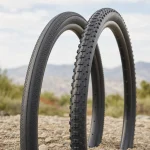
Showing 1–12 of 51 results
-
Gravel Bike Tires
AKOSONE 700x35C Gravel Bike Tires and Tubes 2-Pack with Repair Kit
$37.99 View on Amazon -
Gravel Bike Tires
Continental Terra Adventure 700×45 Gravel Tire, Model 0150749
$70.95 View on Amazon -
Gravel Bike Tires
Continental Terra Adventure 700×55 Black Tubeless-Ready Gravel Tire
$70.95 View on Amazon -
Gravel Bike Tires
Continental Terra Competition 700×35 Gravel Tire, Black/Transparent
$76.95 View on Amazon -
Gravel Bike Tires
Continental Terra Speed 700×45 Gravel Tire, ProTection, Black/Transparent
$79.95 View on Amazon -
Gravel Bike Tires
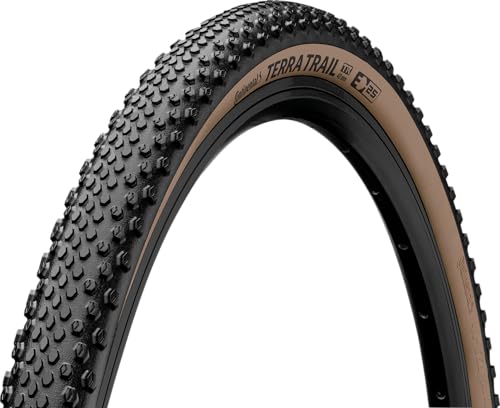
Continental Terra Trail 700×45 Gravel Tire, ShieldWall, Tubeless Ready
$54.08 View on Amazon -
Gravel Bike Tires
Fincci 700c Gravel Bike Tire and Tube Set, 2 Tires and 2 Tubes
$64.91 View on Amazon




Choosing tires for mixed-surface riding
Gravel bike tires serve riders who move between pavement, hard-packed paths, and rougher unpaved routes. The right choice depends on the surfaces you encounter most, as well as your bike’s fit requirements. Think about whether you prioritize a smoother ride on firm ground, added tread for loose sections, or a balance for varied routes. Tread appearance alone does not establish a tire’s performance, so use the product details and manufacturer guidance when comparing options.
Check size and bike fit
Before choosing a tire, confirm its stated size and format match your wheel and rim. Also check the clearance limits for your frame and fork; a tire that fits the wheel may not necessarily clear the rest of the bike. If you are replacing an existing tire, use its size as a reference, but verify compatibility rather than relying on appearance. Consult your bike or rim manufacturer if fit requirements are unclear.
Compare construction and use details
Listings may describe tread, casing, bead type, or tubeless compatibility. Treat these as product-specific details to verify, not features shared by every gravel tire. For tubeless setups, confirm that both the tire and rim are compatible and follow the manufacturers’ setup instructions. Check the recommended pressure range and adjust only within the guidance provided for the tire and wheel system. A tire’s intended-use notes can also help you decide whether it suits your typical surfaces.
Explore related tire categories
Gravel tires are distinct from road bike tires and mountain bike tires, though the best category for a particular ride depends on your bike and route. Compare the specifications on individual product pages, and check current retailer details before making a purchase.
Consider tire width and route conditions
Width can affect how a gravel tire feels on different surfaces, but a wider option is not automatically the better fit for every rider or bike. Consider the balance you want for your usual routes, then confirm the tire’s stated width is within your frame, fork, and rim limits. Actual mounted width can vary with the rim, so consult the bike and component manufacturers’ fit guidance when clearance is close.