
Bicycle Tires
Bicycle Tires help shape how a bike rides on pavement, gravel, or off-road trails. Start by matching tire size and wheel compatibility to your bike, then consider the surfaces and riding style you expect. This category includes road, gravel, and mountain bike tires, with options intended for different riding conditions. Compare the specifications shown on each product page, including fit and setup requirements, before choosing a tire for a replacement or a change in how you ride.
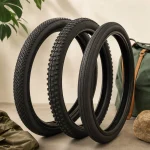
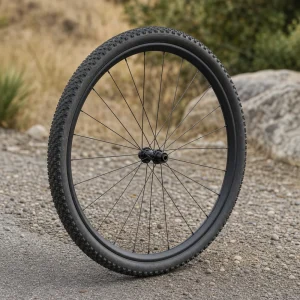
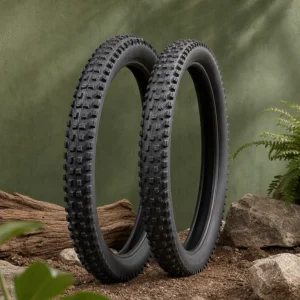

Choose a tire type for your riding
Bicycle tires are designed for different riding surfaces and priorities. Road bike tires are the category to explore for pavement-focused riding. For mixed surfaces, compare gravel bike tires. Mountain bike tires are intended for off-road cycling. Within each type, check individual listings for tread and other design details rather than assuming every tire in a category is the same.
Confirm fit and setup
Before comparing ride characteristics, check that a tire’s listed size is compatible with your wheel and that it will fit within your bike’s frame and fork clearance. Review any compatibility notes for the rim and the tire setup you use, such as whether an inner tube or a tubeless arrangement is required or supported. Consult your bike or wheel documentation when specifications are unclear; a tire’s category name alone does not confirm fit.
Compare the details that matter to you
Think about the surfaces you ride most, the feel you want, and the conditions you commonly encounter. Tread pattern, tire width, construction details, and stated use can help distinguish options, but the exact specifications vary by product. Check the product page for measurements, setup guidance, and any stated limitations. If replacing a tire, compare its sizing and compatibility information with the tire and wheel currently on your bike. This helps narrow the choices without relying on appearance or category labels alone.
Relate tread and width to your routes
Tread offers a useful starting point when comparing tires for the surfaces you ride. A less pronounced pattern is commonly associated with firmer, smoother surfaces, while more prominent tread may be suited to loose or uneven ground. These are broad design considerations, not guarantees of grip or speed; conditions and tire construction also matter. Width can affect the tire’s contact with the ground and must work with your wheel and available frame and fork clearance. Consider the terrain you encounter most often, then compare each tire’s stated intended use and specifications.