
Spring-Loaded Camming Devices
Spring-loaded camming devices are climbing protection used to help protect cracks and other placements where a camming piece may fit securely. Climbers compare size range, axle or lobe design, stem style, and how the device is intended to seat in different crack widths.
For route planning and rack building, it helps to review individual product details and match each piece to the kind of placements you expect to encounter. The right choice often depends on crack shape, expected use, and how the device fits into the rest of your protection system.
Showing 1–12 of 54 results
-
Spring-Loaded Camming Devices
BLACK DIAMOND Camalot C4 Trad Rock Climbing Cam, Size 2
View on Amazon -
Spring-Loaded Camming Devices
BLACK DIAMOND Camalot C4 Trad Rock Climbing Cam, Size 3
View on Amazon


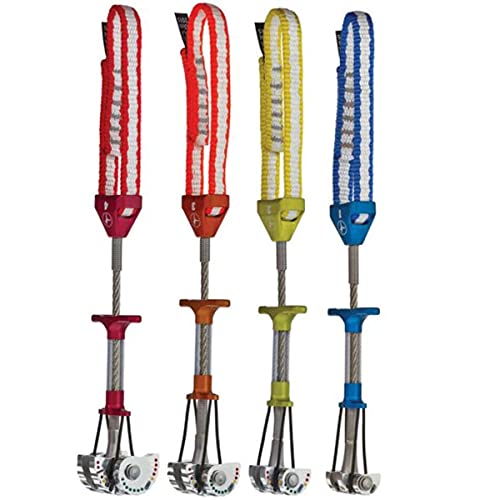


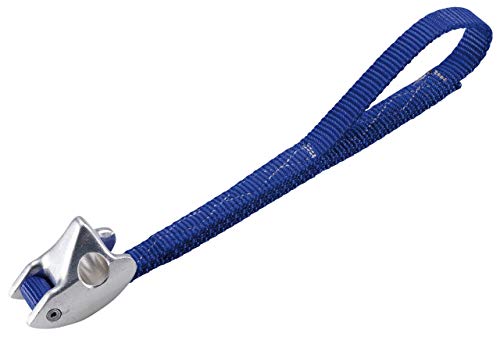
Spring-loaded camming devices are a core part of climbing protection for trad and mountaineering use. They are designed to be placed in cracks or other constrictions where the lobes can expand and create a secure placement. Because routes and placements vary widely, climbers usually compare these devices by the sizes they cover and how the design handles different crack shapes.
What to compare in a spring-loaded camming device
Size range is one of the first things to check, since no single piece covers every crack width. Many climbers build a rack with overlapping sizes so they can choose the most appropriate option for the placement. It is also worth looking at the stem design, the overall trigger feel, and how compact the piece is for carrying on a harness.
Lobe shape and placement profile can matter as well. Some devices are chosen for narrow or more parallel cracks, while others may be better suited to wider or more varied placements. The best match depends on the rock features you expect to encounter, so individual product pages are the right place to confirm the intended use and size range.
How they fit into a climbing rack
Spring-loaded camming devices are often used alongside other climbing protection such as nuts, hexes, and slings. That combination lets climbers adapt to different crack systems and protection opportunities. When comparing options, think about how a device complements the rest of your rack rather than treating every piece as interchangeable.
It can also help to consider how easy the device is to place and remove, especially if you expect frequent changes while climbing. A secure placement still depends on proper technique, so product details and user guidance should always be checked carefully before use.
Choosing for the route and conditions
Because climbing protection is situation-specific, the most useful choice is the one that matches the route style and the placements you expect to find. Review the individual listing for sizing notes, design details, and any compatibility information supplied by the retailer. That approach makes it easier to compare listings and build a rack that suits your climbing goals.