

Spring-loaded camming devices are a core part of trad climbing protection, and the right choice depends on where you plan to place them, how the crack feels in your hand, and how much confidence you want when building a rack. Buyers usually compare a few familiar factors, but the details can matter more than the name on the package.
This guide focuses on the practical differences that help you narrow the category. It is meant for climbers comparing general use, rack balance, and placement feel rather than trying to identify every variation in the market.
If you are choosing between spring-loaded camming devices, start with the placements you expect most often. A wider or narrower usable range can matter more than minor shape preferences, and handling often matters as much as the range itself. The main trade-off is usually between versatility, ease of placement, and how comfortably a piece fits your preferred climbing style.
| Feature | What It Means | Why It Matters | What To Check |
|---|---|---|---|
| Usable range | The span of crack sizes a piece is intended to fit. | It affects whether a cam covers the placements you most often see. | Compare the stated size range on the individual product page. |
| Number of lobes | How many cam lobes contact the rock. | It can affect placement feel, stability, and how the piece sits in the crack. | Look for the lobe count and the overall design description. |
| Stem style | The shape and flexibility of the stem or sling attachment. | It influences reach, handling, and how the piece may fit in curved or awkward placements. | Check whether the stem is described as flexible or rigid and consider your typical placements. |
| Head width and profile | The overall shape of the cam head and how compact it is. | A slimmer profile may help in tighter or more constricted placements. | Review product photos and dimensions when available. |
| Trigger design | The shape and feel of the trigger used to retract the lobes. | It affects one-handed placement, especially when space is limited. | Look for a trigger that matches your comfort and glove or finger preference. |
| Weight and rack balance | How heavy a piece feels and how it contributes to a full rack. | It matters when you carry multiple pieces on longer climbs. | Compare listed weight if provided and think about the full set, not one piece alone. |
Compare Spring-Loaded Camming Devices


As an Amazon Associate we earn from qualifying purchases.
What matters most when choosing a cam
Placement range
The most important question is whether the cam fits the cracks you actually climb. A piece that looks versatile on paper may not be the best choice if your local climbing has mostly narrow fingers, hand-size cracks, or wider placements. Specifications vary by model, so always check the individual product page before buying.
Handling and placement feel
Some climbers prefer a cam that feels quick to place and easy to assess at a glance. Others value a more compact shape or a stem that helps the piece sit well in the rock. Handling is partly personal, so think about how confident you want to feel when placing gear in a less-than-ideal stance.
Axle and lobe design
The axle and lobe design influence how the piece distributes force and how it fits in a crack. You do not need to know every technical detail to compare products, but it is worth noticing whether a model is described as compact, smooth-acting, or designed for a specific style of placement.
Stem and reach
A flexible or longer-reaching stem can help in placements where the crack is awkward or where rope drag and rock features make direct placement harder. A more direct stem can feel simpler in some situations. The better choice depends on the terrain you expect to use most often.
Common types and variants
Within this category, buyers usually compare cams by size range, stem design, and how compact the head looks in the crack. Some pieces are chosen as small additions for thin placements, while others are meant to cover mid-size or larger cracks. The main limitation is that one cam rarely solves every placement, so rack planning matters.
Which type fits which buyer?
| Buyer need | What to prioritize | Why |
|---|---|---|
| Beginning trad climber building a first rack | Clear handling, straightforward sizing, and a balanced range of pieces | It is easier to learn if the gear feels predictable and covers common placements. |
| Climber filling gaps in an existing rack | Precise size coverage and overlap with current gear | The goal is usually to cover missing crack sizes without adding unnecessary duplicates. |
| Climber focusing on awkward or variable placements | Compact head shape and a stem that suits the terrain | More awkward placements often reward gear that is easier to position and evaluate. |
| Buyer comparing gift options | General-purpose size choices and widely understandable product information | A practical, versatile piece is usually easier to match to an unknown rack. |
Common mistakes and misunderstandings
- Choosing by broad reputation alone instead of matching the cam to the crack sizes you actually encounter.
- Assuming one piece replaces the rest of a rack when most climbers need several sizes for different placements.
- Ignoring stem feel and trigger comfort, even though those details affect everyday use.
- Overlooking overlap with existing gear and ending up with duplicate coverage instead of filling a gap.
Safety and suitability caveats
Spring-loaded camming devices are climbing protection, so suitability matters. Check the intended use, the stated size range, and any product-specific guidance before relying on a piece in the field. Do not assume a cam is appropriate for every crack shape or every climbing style.
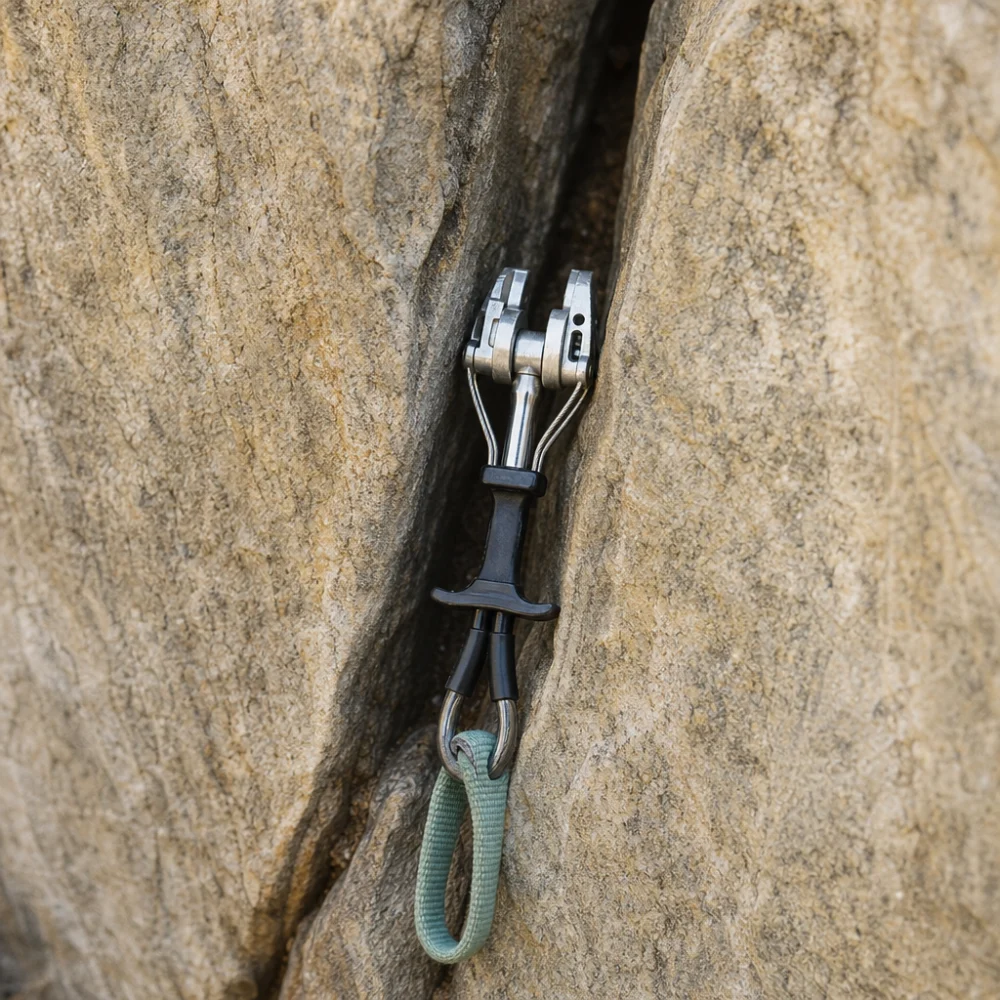
For technical climbing gear, small differences in shape and handling can have a real effect on confidence and placement quality. Choose gear that fits your experience level and the terrain you expect, and review product details carefully.
Maintenance, storage and lifespan considerations
Like most climbing gear, cams benefit from basic care and sensible storage. Keep them clean and dry after use, protect them from unnecessary wear, and inspect them before heading out. If a model uses moving parts or a sling, those parts deserve especially close attention because they affect long-term usability.
Do not treat any piece as permanent just because it still looks usable. Wear, corrosion, and age can all matter, so the individual product page and any maker guidance should be part of your decision.
How to compare options efficiently
- Start with the crack sizes and placements you need to cover.
- Compare the usable range of each cam against those needs.
- Check stem style, head profile, and trigger feel for the terrain you climb.
- Look for gaps or overlap in your current rack before adding another piece.
- Review the individual product page for exact details before you decide.
Summary buyer decision checklist
- Does the cam cover the sizes you actually climb most often?
- Does the stem and head shape suit your typical placements?
- Will it fill a gap in your rack instead of duplicating gear you already have?
- Does the trigger and handling style feel comfortable for your hands and style?
- Have you checked the individual product page for model-specific details?
Frequently asked questions
What is the main difference between cams of different sizes?
Different sizes are designed for different crack widths, so the main difference is where each piece is likely to fit well. The practical goal is not to buy the biggest range available, but to choose sizes that match the placements you actually expect to see.
Is a more compact cam always better?
Not always. A compact shape can be helpful in some awkward placements, but a larger or differently shaped piece may suit other cracks better. The right choice depends on your terrain and how the cam needs to sit in the rock.
Should I choose based on weight alone?
Weight matters, especially for a full rack, but it should not be the only factor. A lighter piece that is awkward to place may be less useful than a slightly heavier one that fits your climbing style better.
Do I need cams if I already have other protection?
That depends on the climbs you do and the placements available. Many climbers use cams alongside other protection because different pieces solve different crack shapes and widths.
How important is the trigger design?
More important than many first-time buyers expect. A trigger that feels comfortable can make placement and removal easier, especially when you are working in a tight or awkward stance.
What should I compare first on a product page?
Start with the stated size range, then look at stem style, head profile, and the overall handling description. After that, check whether the piece fills a real gap in your rack.
Can one cam work for most situations?
One cam can be versatile, but it will not cover every placement. Most buyers get better results by thinking in terms of a rack or a small set of pieces rather than a single universal option.
Ready to choose?
See all 57 Spring-Loaded Camming Devices →As an Amazon Associate we earn from qualifying purchases.