

A hardtail mountain bike has no rear suspension; many models have a suspension fork at the front. That simpler layout can suit riders looking for a mountain-bike design without rear suspension, but the right choice still depends on fit, terrain, and the components listed for each bike.
This guide focuses on choosing within the hardtail category. Compare the bike’s intended use and fit information first, then weigh equipment and features against the riding you expect to do.
Illustration: a generic hardtail mountain bike with the front fork and unsuspended rear frame area visually distinguished.
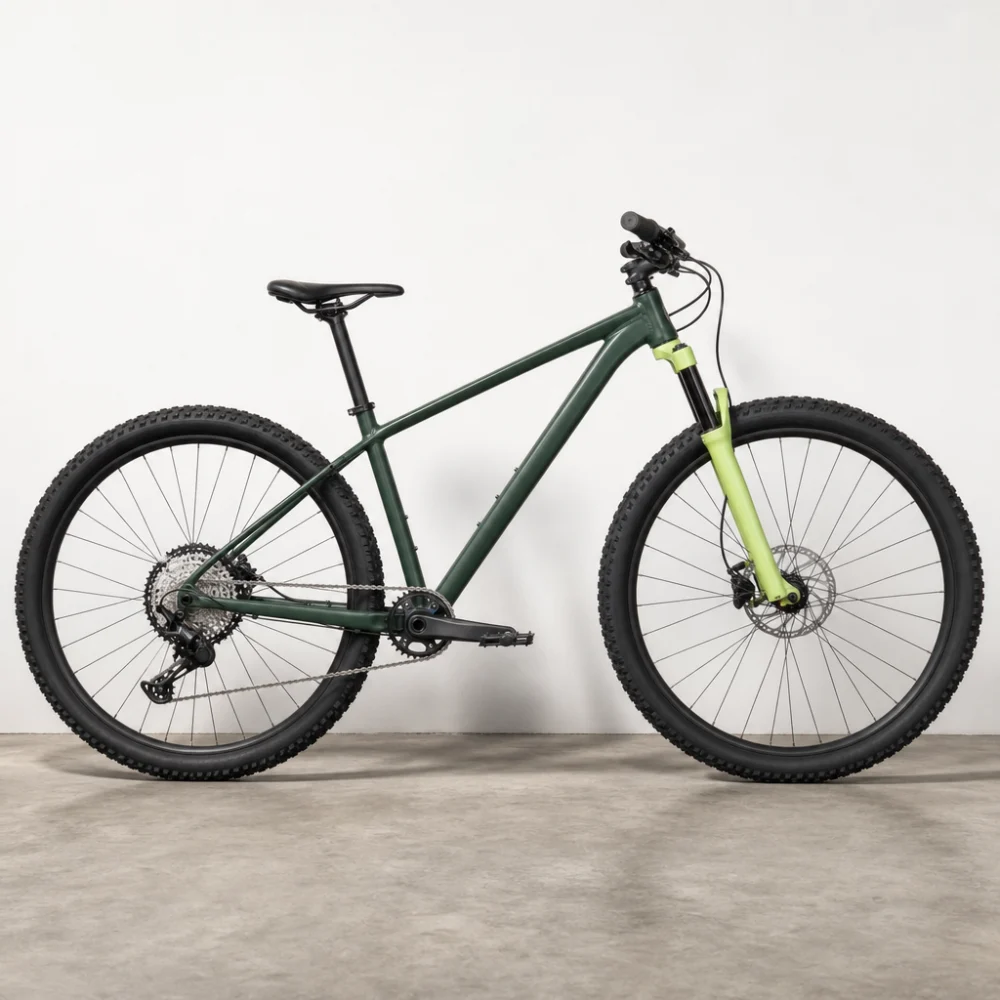
Compare Hardtail Mountain Bikes


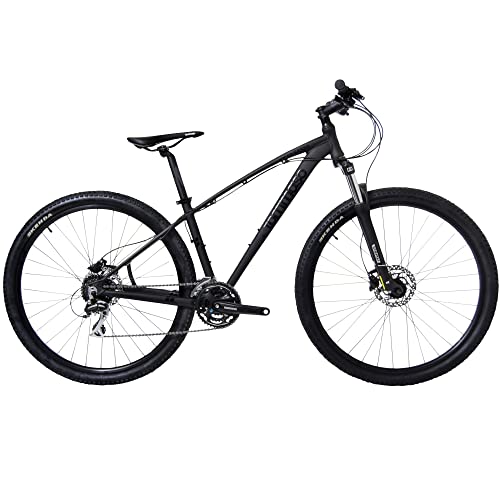
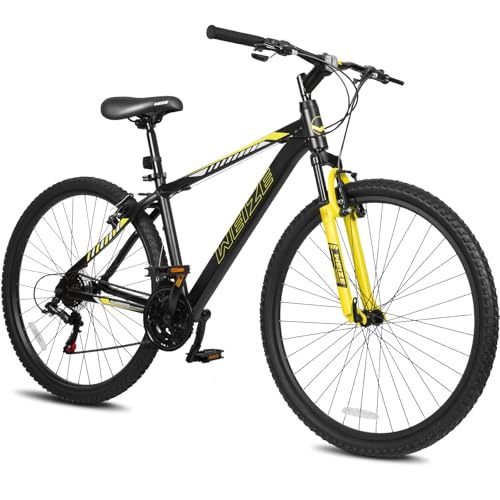

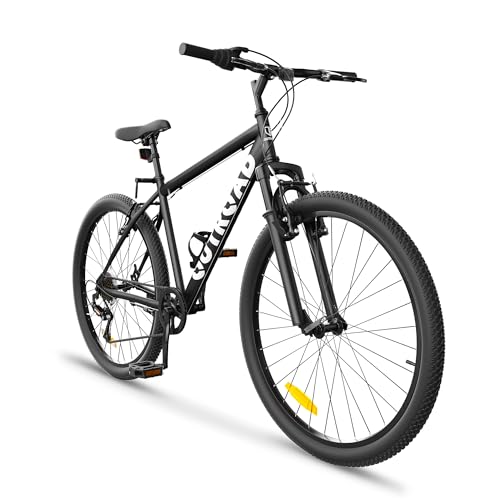
As an Amazon Associate we earn from qualifying purchases.
What should you look for in a hardtail mountain bike?
Start with a bike whose size and intended use suit the rider and the places they plan to ride. Check the frame and fit guidance, then compare the fork, gearing, brakes, and tires as listed for each model. A hardtail avoids rear suspension, but that does not by itself establish how comfortable or capable a particular bike will feel. The best choice is the one whose verified details fit the rider’s needs without paying attention to a feature they will not use.
Compare the key buying factors
| Feature | What It Means | Why It Matters | What To Check |
|---|---|---|---|
| Fit and frame size | The frame size and sizing guidance provided for the bike. | A suitable fit affects comfort, control, and whether the bike is a practical choice for its rider. | Review the product’s size chart and fit guidance; do not choose by wheel size alone. |
| Fork | The front fork may be a suspension fork or another listed design. | Fork type and details influence the bike’s setup and should match the rider’s intended use. | Check the product description for fork type and any stated features rather than assuming them from the category name. |
| Gearing | The drivetrain provides the gear options stated for that model. | Gear range and shifting setup affect how the bike suits the rider’s routes and preferences. | Look for the listed gear count and drivetrain details; consider the terrain and the rider’s experience. |
| Brakes | The bike’s braking system, as identified in its product details. | Brake type, setup, and fit should be considered as part of the bike’s intended use. | Confirm the stated brake type and review any relevant product information; do not infer a specification from a photo or title alone. |
| Wheels and tires | Wheel and tire dimensions or descriptions supplied for the individual bike. | These details affect fit and the bike’s overall setup. | Check the listed wheel size, tire information, and any fit guidance for the intended rider. |
| Frame and intended use | The frame details and riding purpose described for the model. | Hardtails can differ in design and intended use even though none has rear suspension. | Read the complete product description and compare its stated use with the places and style of riding planned. |
Specifications vary by model, so always check the individual product page before buying.
Decision criteria that matter most
Fit comes before a feature list
A bike that does not suit the rider’s size can be an impractical choice even if its component list looks appealing. Use the manufacturer’s sizing information for the specific model and consider the intended rider, rather than treating a listed wheel size as a substitute for frame-fit guidance. If the product information does not make fit clear, seek clarification before deciding.
Match the bike to the terrain
Think about where the bike will mainly be used: paved paths, maintained dirt routes, or rougher trails can call for different priorities. A buyer riding mostly smoother paths may value a straightforward setup, while someone planning more demanding trails should look carefully at the model’s stated intended use and component details. A hardtail is not automatically suited to every trail or riding style.
Understand the front fork
Hardtail describes the lack of rear suspension; it does not specify every detail of the front end. Check whether the bike has a suspension fork or another fork type, and review the features actually stated on its product page. Do not assume a particular level of adjustment or performance from a category label.
Compare gearing and brakes as listed
Gear counts alone do not describe every aspect of a drivetrain, and brake labels do not tell the whole story of a bike’s setup. Compare the supplied details and consider whether they suit the rider’s routes and preferences. Avoid treating a higher count or a particular label as a guarantee of better performance.
Use wheel size as one part of the decision
Wheel size can help distinguish models, but it does not determine whether a frame will fit a rider. Compare it alongside the frame sizing guidance, intended use, and any other relevant dimensions provided for the individual bike.
Hardtail variations and what they mean
Hardtails vary in fit, intended use, fork design, gearing, brakes, and other listed components. Some are presented for general or recreational riding, while others may be described with a more trail-focused purpose. Those descriptions are useful starting points, not proof that every bike in a group shares the same components or capabilities.
Some bikes described as hardtails may have a front suspension fork; the defining point is that the rear wheel has no rear suspension. Check the specific fork details rather than assuming all hardtails share one front-end setup. A hardtail is also distinct from a full-suspension bike, which has suspension at the rear as well as the front.
Choose for the rider’s needs
- For a first mountain bike: Prioritize clear sizing guidance, intended-use information, and a component description the rider can understand. A simpler-looking specification is not automatically the right fit, so check the complete details.
- For mostly maintained paths: Consider the bike’s fit and stated purpose first. Features intended for rougher riding may not be priorities if they do not match the routes planned.
- For more demanding trail plans: Look for a clear description of the bike’s intended use and examine the fork, brakes, tires, and other listed equipment. Do not assume every hardtail is designed for the same terrain.
- For a replacement or upgrade: Identify what the current bike does not suit, such as fit or gearing preferences, then compare those specific details across candidate bikes. A change in one component does not establish that the whole bike is a better match.
Mistakes and misunderstandings to avoid
- Choosing by wheel size alone: Wheel size is not a complete fit measure. Use the bike’s frame sizing and fit guidance as well.
- Assuming “hardtail” specifies the fork: The term describes the absence of rear suspension. Verify the front fork type and details for the individual model.
- Assuming all hardtails have the same intended use: Models can differ. Check the product’s stated use and compare it with the rider’s plans.
- Relying on a title or image for specifications: Short titles and photographs may omit important details. Confirm the information in the product description before buying.
- Treating a gear count as a complete drivetrain comparison: Compare the drivetrain information provided and consider the routes the rider expects to take.
- Buying for imagined future needs alone: More specialized features may be unnecessary for everyday plans. Balance possible future use against fit, current riding needs, and the trade-offs in the listed setup.
Safety and suitability
Choose a bike that fits its rider and is described for the kind of riding planned. Check the product information for any suitability guidance and confirm that the bike’s setup is appropriate for the intended use. A category name alone does not establish that a particular model is suitable for every rider or riding condition.
Ownership, maintenance, and storage
Plan for routine bicycle care and suitable storage as part of the purchase. The exact care needs depend on the model and its components, so consult the product information and applicable manufacturer guidance. Consider whether the bike can be stored securely and whether the rider has access to appropriate ongoing maintenance support.
A practical buying process
- Decide who will ride the bike and where it will mainly be used.
- Use the model’s sizing guidance to narrow options that may fit the rider.
- Confirm the bike’s stated intended use and whether its front fork setup matches the buyer’s priorities.
- Compare the listed gearing, brakes, wheels, tires, and frame details that matter for those plans.
- Review the individual product information for suitability and any unanswered questions before choosing.
Hardtail mountain bike buyer checklist
- Does the bike’s sizing guidance suit the intended rider?
- Does its stated intended use match the routes planned?
- Have you confirmed the fork type and relevant listed details?
- Have you compared the drivetrain and brake information rather than relying on a short title?
- Do the wheel and tire details fit the buyer’s needs?
- Have you reviewed the complete product information for suitability and care considerations?
Frequently asked questions
What makes a mountain bike a hardtail?
A hardtail has no rear suspension. Many have a suspension fork at the front, but the front fork details can vary, so check the individual model.
Is a hardtail the same as a rigid mountain bike?
Not necessarily. Hardtail refers to the absence of rear suspension; a bike may still have a front suspension fork. Check the product details to confirm the fork type.
How do I choose the right size?
Use the sizing and fit guidance for the specific bike and intended rider. Wheel size alone does not confirm that a frame will fit.
Can a hardtail suit a beginner?
It can be a suitable category to consider, but the individual bike still needs to fit the rider and match the planned use. Compare its sizing information and listed components rather than assuming all hardtails suit every beginner.
Are hardtails suitable for every trail?
No single category label establishes suitability for every trail. Review the model’s stated intended use and component details, then compare them with the terrain the rider expects to encounter.
What should I check before buying a hardtail online?
Confirm the model’s fit guidance, intended use, fork type, and listed component details. Read the complete product information and clarify any important point that is not clear before choosing.
Hardtail or full-suspension: which layout fits?
A hardtail has no rear suspension, while a full-suspension mountain bike has suspension at both the front and rear. The rear suspension on a full-suspension bike can help manage impacts on rougher terrain, but adds another part of the bike’s setup to consider. A hardtail may appeal to riders who prefer a simpler suspension layout or whose routes do not make rear suspension a priority. Compare each bike’s stated intended use and fit rather than assuming either layout is right for every rider or trail.
More Hardtail Mountain Bikes
See all 17 Hardtail Mountain Bikes →


As an Amazon Associate we earn from qualifying purchases.