
Climbing Ropes
Climbing ropes are the core lifeline for many rope-based climbing systems, and shoppers often compare them by intended use, handling feel, and the rope type that matches the route or task. This category covers options for climbing and mountaineering setups where rope choice matters, from lead climbing to fixed-line work and rope management accessories.
When you browse the listings, check whether the rope is meant for dynamic movement or more static use, and review the diameter, length, and compatibility details on each product page. It also helps to compare sheath construction, handling preferences, and any care guidance provided by the retailer.
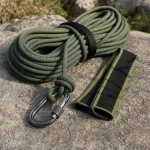
-
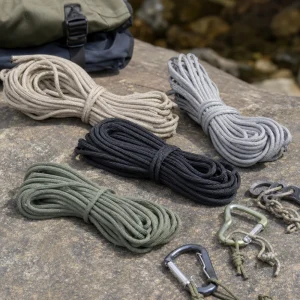
Accessory Cord92 Products
-
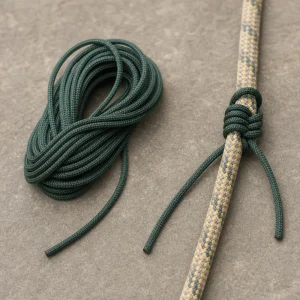
Prusik Cord75 Products
-
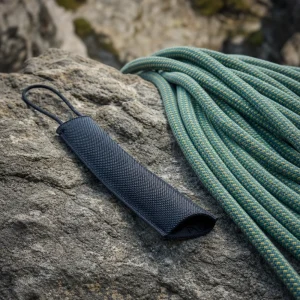
Rope Protectors92 Products
-
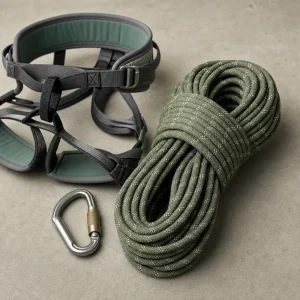
Static Climbing Ropes93 Products
Climbing ropes are central to many climbing and mountaineering setups, and the right choice depends on how the rope will be used. Some products are intended for lead climbing and other moving protection systems, while others are better suited to fixed-line tasks, hauling, rigging, or rope management. This category helps you compare those different uses without assuming that every rope serves the same purpose.
Compare rope type and intended use
The most important distinction is usually between dynamic and static use. Dynamic climbing ropes are generally chosen where fall absorption and movement matter, while static climbing ropes are commonly selected for tasks that call for minimal stretch. If you are browsing accessory cord or prusik cord, look closely at the product details to understand the intended application, since those items are typically used for specialized connections, friction hitches, or backup tasks rather than as a full climbing line.
Check diameter, length, and handling
Diameter and length can affect how a rope feels in use and how well it matches your setup. A thinner rope may feel lighter and handle differently than a thicker one, while length should suit the routes, anchors, or work area you plan to cover. It is also worth comparing how a rope is described for handling, coiling, and feeding through your chosen belay or rappel system. If you are comparing multiple listings, review the individual product page for any compatibility notes and usage limits.
Look at construction and protection details
Rope construction can influence day-to-day convenience. Sheath design, finish, and wear-focused features may matter if the rope will see frequent use or repeated contact with rough surfaces. Rope protectors are included in this category as well, and they can be useful when you want added abrasion defense in a specific spot rather than a different rope altogether. Check the product descriptions for maintenance guidance and any recommendations about storage, inspection, or replacement based on wear.
Use the child categories to narrow the choice
This category branches into more specific options such as dynamic climbing ropes, static climbing ropes, and rope accessories such as accessory cord and prusik cord. If you know the job already, those child categories can make it easier to compare the most relevant listings and narrow the field quickly.