
Wind Shelters
Wind Shelters are designed for camping setups where reducing exposed airflow can make a spot feel more comfortable. They are often used to create a calmer area for sitting, cooking, or organizing gear, especially when a campsite is breezy or open. When comparing options, look at the overall size, shape, and how much coverage the shelter provides for the space you want to protect.
It also helps to check how the shelter is intended to be set up and whether it fits the rest of your camp shelter layout. Some designs focus on quick wind break coverage, while others may work better as part of a larger outdoor setup.
A wind shelter is not necessarily designed for rain protection or severe weather. For cooking, follow the equipment and shelter instructions, including any required clearance from flames and hot surfaces.
Showing 1–12 of 43 results
-
Wind Shelters
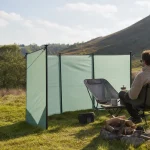
Army Green 3-Panel Camping Wind Break Privacy Shield, 98.4 x 27.6 in
$18.29 View on Amazon -
Wind Shelters
Breezestival 10 x 10 ft 6-Sided Pop-Up Canopy with Detachable Top
$139.99 View on Amazon


Wind Shelters are a practical part of camping shelter setup when you want to cut down on direct gusts and create a more comfortable protected area. They are commonly used to make a campsite feel less exposed without enclosing the space completely, which can be useful for resting, light cooking, or keeping a shared area calmer in breezy conditions.
What wind shelters are used for
This category covers shelter products intended to reduce wind exposure rather than provide full enclosure. That makes them different from more enclosed camp shelters and useful in situations where you still want open access, airflow, and a simple layout. Depending on the design, a wind shelter may stand alone or work alongside other campsite structures.
Features worth comparing
When reviewing listings, focus on the dimensions, shape, and coverage area, since those factors determine how much protection the shelter can provide. Setup method is also important. Some products are easier to move and reposition, while others are designed for more stable placement. It can also help to check how the shelter is anchored, especially if you expect changing weather or uneven ground.
Choosing the right style for your campsite
Think about where the shelter will be used and what role it needs to play in the overall camp layout. A smaller option may suit a compact setup, while a larger design may be better for creating a more comfortable shared area. If you are comparing listings, review the individual product details for size, intended use, and any compatibility notes that matter for your campsite.
For related shelter types, you can also browse Backpacking Shelters, Bug Shelters, or Group Shelters if you are comparing different campsite needs.
Scale, placement, and safe use
Wind shelters can serve different roles, from shielding a small piece of equipment to creating a windbreak for a sitting area. Compare the stated dimensions and intended use rather than assuming a shelter suited to one task will work for another. Consider where it will sit relative to people, tents, cooking equipment, and access paths, and allow enough room for the setup described in its instructions.
A windbreak is not automatically rainproof or suitable for strong or changing weather. Follow the product instructions for setup and anchoring, and avoid using a shelter beyond its stated conditions. When cooking outdoors, keep fabric and other shelter materials clear of flames and hot surfaces; follow the cooking equipment and shelter guidance for safe placement.