
Camp Shelters
Camp shelters help create covered space at a campsite for relaxing, cooking, changing, or getting out of sun and light weather. This category can include compact options for solo trips as well as larger shelters for groups or shared camp areas.
When comparing camp shelters, look at the intended use, setup style, coverage shape, and how much open access you want on the sides. It also helps to check the product details for compatibility with your camping style and the level of weather protection each listing is designed to provide.
Showing 1–12 of 381 results


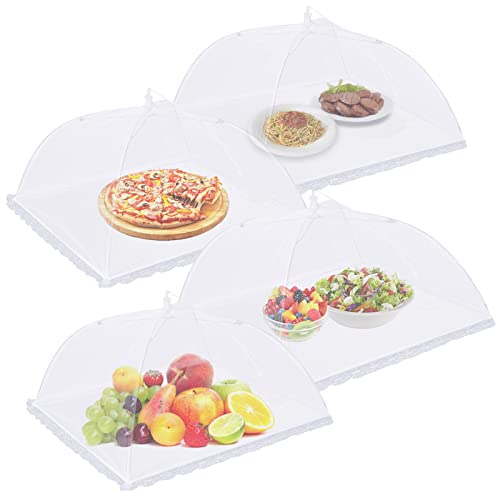
Camp shelters are designed to add usable covered space at a campsite without necessarily serving as a full sleeping tent. They can be useful for creating a shaded hangout area, a dry spot for gear, or a sheltered place to prepare food and gather with others. Because this category covers several shelter styles, it is helpful to compare how each option is intended to be used before choosing a product.
How camp shelters differ
Some camp shelters are built for lightweight travel and small campsites, while others are meant to cover a larger shared area. Open-sided designs can feel more spacious and airy, while more enclosed styles may offer better protection from wind or insects. If you are comparing listings, think about whether you want simple overhead coverage, more side protection, or a setup that supports a specific camp task.
Choosing the right style for your campsite
The child categories in this section point to common ways camp shelters are used. Backpacking shelters may emphasize portability for tighter carry limits. Bug shelters are aimed at helping reduce insect exposure. Camp kitchen shelters can provide a dedicated covered area for food prep. Group shelters are useful when several people need shared space, while open-air shelters focus on shade and overhead cover. Wind shelters are meant to add some protection in breezier conditions. Checking the individual product details is the best way to understand how each listing handles coverage, access, and setup.
What to compare before you buy
It also helps to review the footprint, packed size, assembly approach, and any compatibility notes shown on the product page. The most practical choice often depends on how many people will use the shelter, how much space you have at camp, and whether you need a more open layout or a more enclosed one. For Yaptor visitors, the main goal is usually to compare the available options and narrow the selection to the shelter type that fits the trip.