
Open-Air Shelters
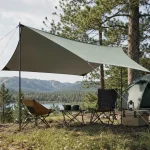
Open-Air Shelters are designed for covered outdoor space that still feels open to the surroundings. They can be useful when you want shade, a bit of protection from light weather, or a simple meeting point without the enclosed feel of a tent or fully screened shelter.
When comparing options, look at the shelter’s intended use, footprint, and setup style. It also helps to check how much coverage the design provides and whether it suits solo use, small groups, or a larger camp layout.
Showing 1–12 of 54 results
-
Open-Air Shelters
10 x 20 ft Beige Carport with Removable Sidewalls and Doors
$179.99 View on Amazon -
Open-Air Shelters
4-6 Person Inflatable Camping Tent with Awning, Stove Jack and Pump
$379.99 View on Amazon -
Open-Air Shelters
4-6 Person Inflatable Tent Gazebo Canopy with Removable Sidewalls
$226.99 View on Amazon -
Open-Air Shelters
Aoxun 10×10 ft Pop-Up Canopy Tent with Removable Top, Brown
$116.99 View on Amazon -
Open-Air Shelters
Breezestival 10 x 10 ft Brown Pop-Up Canopy Tent with Mesh Windows
$149.99 View on Amazon


Open-Air Shelters are a practical choice for campers and outdoor visitors who want overhead cover without fully closing off the space. This category can suit shade breaks, casual gathering areas, and other situations where visibility and airflow matter as much as protection from the elements.
What open-air shelters are used for
These shelters are commonly used to create a comfortable shared area at camp or during outdoor activities. They can help define a dry or shaded spot for resting, organizing gear, or spending time together while still keeping the setting open. Because the design is not fully enclosed, it is usually better suited to fair conditions or limited weather protection than to all-around shelter.
What to compare when choosing one
Useful differences often include size, shape, setup method, and how the shelter is supported. A smaller design may work well for a compact campsite, while a larger one may better serve a group. It is also worth checking the height and coverage area so the shelter fits the way you plan to use it. If you expect frequent setup and takedown, ease of assembly may matter as much as the overall footprint.
Fit, placement, and practical use
Think about where the shelter will go and what it needs to cover. Some designs work best as stand-alone shade, while others are easier to position beside a cooking area, seating area, or other camp setup. Since open-air shelters are not fully enclosed, users may want to review product details for information about partial coverage, anchoring needs, and any conditions the shelter is intended to handle.
Reading product details carefully
Product pages can vary a lot in how they describe coverage and intended use, so it helps to compare the individual listing rather than relying on the category name alone. Look for details that explain the shape, supported area, and any included hardware or setup features. That makes it easier to choose an open-air shelter that matches your space, your group size, and the kind of outdoor use you have in mind.