
Oars
Oars are used to propel and steer boats by hand, making them a practical option to compare for rowing and backup propulsion. When choosing, check the oar length against your boat and rowing position, and consider how the shaft and blade are suited to your intended use. Also confirm whether a listing is for a complete oar or a component, and whether it includes one oar or a pair. If your boat uses oarlocks, verify that the oars and fittings are compatible.
Showing all 7 results
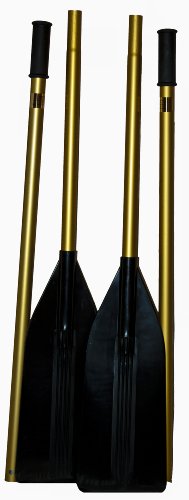


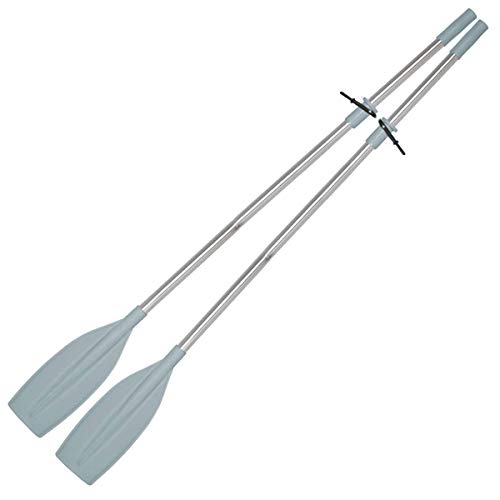


Choosing oars for your boat
Oars provide manual propulsion and steering, but a suitable choice depends on the boat and how you plan to row. Compare the stated length with your boat’s width, seating position and oarlock placement. The right reach can make it easier to put the blade in the water and move it through a useful stroke. Check the product details and your boat’s guidance rather than relying on a general length recommendation.
Blade shape and shaft construction can affect handling and use. Compare the listed design and materials with your priorities, such as carrying, storage or regular use, without assuming that a feature is shared across all products. If space is limited, check whether the oar separates or folds only when the listing explicitly says so, and confirm its dimensions when stored.
Check the fit and what’s included
Oars work with the boat’s rowing setup. Confirm that the oar diameter, stops or collars, and connection points suit the boat’s oarlocks. These details can affect how an oar sits and moves, so check both the oar and boat specifications before choosing. For related fittings, browse oarlocks.
Read each listing to establish whether it covers a single oar, a pair, or an accessory such as a sleeve. Check included components and any stated measurements rather than assuming they are supplied. Product pages can help you compare the details that matter for your boat and intended use.