
A trolling motor is generally a low-speed propulsion motor used to maneuver a boat or maintain position without relying on its main propulsion. Choosing one means matching the motor’s mounting style, controls and power requirements to your boat and how you plan to use it.
Start with the mounting location and the boat’s existing setup, then check the motor’s fit, power requirements and controls. A motor that suits one boat may not suit another, even if their intended uses are similar.
Compare Trolling Motors


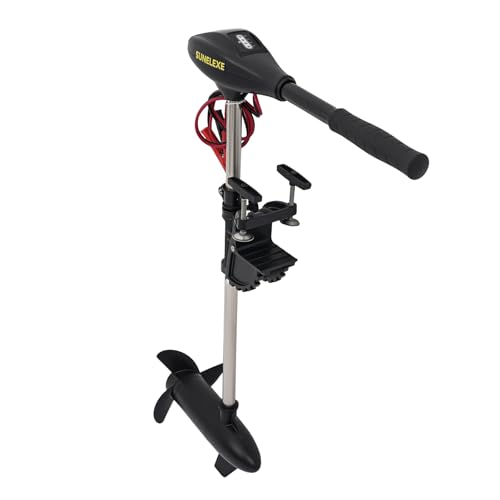

As an Amazon Associate we earn from qualifying purchases.
How do you choose a trolling motor?
Choose a motor that can be mounted securely in the intended location and is suited to your boat, load and typical conditions. Confirm shaft fit, thrust, control style and electrical requirements on the individual product page. The main trade-off is between the control and mounting arrangement that best fits your use and the space, setup and power it requires.
Compare the key buying factors
| Feature | What It Means | Why It Matters | What To Check |
|---|---|---|---|
| Mounting style | Where and how the motor attaches to the boat, such as at the bow or transom. | The mounting position affects fit, access and how you control the motor. | Confirm that the intended mounting location and hardware suit your boat. |
| Thrust | A measure used to describe the motor’s pushing force. | Boat size, load and conditions affect what level of thrust may be suitable. | Check the stated thrust and consider the boat and load it is intended to move. |
| Shaft length | The length of the motor shaft. | A suitable length helps place the propeller at an appropriate depth for the boat’s setup. | Compare the listed shaft length with your boat’s bow or transom height and mounting position. |
| Controls | How the motor is steered and its speed or functions are managed. | Hand, foot or remote controls can suit different layouts and preferences. | Check which controls are included and whether they work with your intended position and setup. |
| Electrical requirements | The motor’s stated voltage and power connection needs. | The motor and power source must be compatible; power needs also affect the overall setup. | Verify voltage, battery requirements and any stated connection details. |
| Intended water environment | The conditions for which the motor is described as suitable. | Materials and protection can differ between products and intended environments. | Look for explicit suitability information for the water conditions where you plan to use it. |
What to consider before choosing
Mounting position and boat fit
Bow-mounted and transom-mounted motors attach at different ends of the boat, so they require different mounting arrangements. Identify the intended location first and check the product’s mounting requirements against your boat’s available space and structure. Do not assume that a motor or its included mount will fit every boat.
Thrust and boat load
Thrust is one factor in how a motor moves a boat, but it is not a complete measure of suitability. Consider the boat, passengers, gear and conditions in which you expect to use it. Avoid selecting on a thrust figure alone; check any boat or use guidance provided with the motor.
Shaft length
Shaft length matters because the motor must reach the water appropriately from its mounting position. The relevant height differs between boats and between bow and transom installations. Compare the listed shaft length with your boat’s dimensions and the manufacturer’s fit guidance rather than relying on a general rule.
Controls and steering
Hand control can be convenient when you will steer near the motor, while foot or remote controls may better suit other boat layouts. These choices involve more than preference: consider where you will be positioned and what controls are supplied. Check whether any control or feature you want is included, rather than assuming it comes with the motor.
Power and battery compatibility
Match the motor’s stated voltage and electrical requirements to the power source you plan to use. Check whether a battery, cables or other components are included or need to be considered separately. Specifications vary by model, so always check the individual product page before buying.
Water environment and construction
Some products are described for particular water environments. Use explicit product information to determine whether a motor is intended for your conditions; a general category label does not establish a rating or guarantee. If the product details are unclear, avoid assuming suitability from appearance alone.
Trolling motor types and variations
Mounting style is a practical way to narrow the choices. Bow-mounted motors attach at the front of the boat and may suit buyers whose boat and preferred control position support that setup. Transom-mounted motors attach at the stern and may suit boats configured for that location. Each requires a compatible mounting area and suitable shaft fit.
Control style is another meaningful variation. Hand, foot and remote controls offer different ways to steer and manage the motor, but the controls available depend on the individual product. Check the listed setup and included components before choosing.
Match the motor to your intended use
- For a boat with an established mounting location: Begin with that position and confirm the motor and mount are designed to fit it.
- For fishing or frequent maneuvering: Consider where you will be positioned and whether hand, foot or remote control is a practical fit for the boat.
- For a replacement motor: Compare the old setup’s mounting location, shaft needs and electrical requirements, but verify every measurement and connection for the new motor.
- For occasional use or a smaller craft: Check the intended boat type and load guidance rather than assuming a compact-looking motor will be suitable.
Common buying mistakes
- Choosing by thrust alone: Thrust does not confirm mounting fit, shaft suitability or electrical compatibility. Compare all of these against your boat.
- Assuming mounts are interchangeable: Bow and transom installations differ. Confirm the motor’s mounting style and the boat’s available mounting area.
- Overlooking shaft length: A motor can have an otherwise appealing feature set and still be a poor fit if its shaft does not suit the installation. Check the boat dimensions and product guidance.
- Assuming a battery or controls are included: Product contents vary. Review the individual listing for included components and stated requirements.
- Treating an environment label as a guarantee: Verify the specific suitability information and any care guidance instead of inferring performance or protection from a broad description.
Safety and suitability
Choose a motor intended for your boat and use, and check its fit and stated requirements before purchase. Follow the product manufacturer’s guidance and consider the boat’s overall capacity and setup. If compatibility or suitability is uncertain, confirm it with the manufacturer or a qualified marine professional before relying on the motor.
Ownership, maintenance and storage
Care needs can differ by motor and intended environment. Review the manufacturer’s cleaning, inspection and storage guidance, including any instructions for protecting electrical connections or storing a separate battery. Consider where the motor and power components will be kept between outings, and whether the setup is practical to handle and store.
A practical buying process
- Identify the boat, typical load and the conditions in which you plan to use the motor.
- Choose the intended mounting location and confirm the boat can accommodate it.
- Compare shaft length, thrust, control style and electrical requirements.
- Weigh the convenience of the preferred setup against its fit and power needs.
- Check the individual product information for compatibility, included components and care guidance before deciding.
Buyer checklist
- Does the mounting style suit the boat and intended location?
- Is the listed shaft length appropriate for the boat’s mounting height?
- Is the stated thrust suitable for the boat, load and expected conditions?
- Do the controls fit the way you plan to steer and manage the motor?
- Are the motor’s voltage and battery requirements compatible with your planned setup?
- Does the product explicitly suit the intended water environment?
- Have you checked what is included and reviewed the manufacturer’s care guidance?
Frequently asked questions
What is the difference between a bow-mount and a transom-mount trolling motor?
They attach at different ends of the boat and require a matching mounting arrangement. The better fit depends on your boat’s layout, available mounting space and preferred control position.
How do I know what shaft length I need?
Compare the motor’s listed shaft length with the height of your intended mounting position and the boat’s dimensions. Use the manufacturer’s fit guidance for the specific motor rather than relying on a general estimate.
How much thrust should a trolling motor have?
There is no single thrust figure that suits every boat. Boat size, load and expected conditions all affect the choice, so consider the manufacturer’s guidance along with the motor’s stated thrust.
Do trolling motors include a battery?
Contents vary by product. Check the individual product information for whether a battery is included, as well as the motor’s voltage and other stated power requirements.
Can I use any trolling motor in saltwater?
Do not assume that every motor is suited to every water environment. Check the specific product’s stated intended use and care guidance before choosing.
Are hand, foot and remote controls interchangeable?
Not necessarily. Control arrangements vary by motor, and a control may not be included or compatible with another setup. Verify the controls and components specified for the product you are considering.
More Trolling Motors
See all 66 Trolling Motors →


As an Amazon Associate we earn from qualifying purchases.