

Fishing leaders are the short sections of line between your main line and your lure, hook, or fly. They can help manage visibility, abrasion, knot connections, and presentation depending on the fishing situation.
If you are comparing leaders for the first time, the main question is not just what material to buy. It is how much stealth, abrasion resistance, and flexibility you need for the way you fish.
This guide focuses on the buying decisions that matter most before you choose a leader type, length, and strength. It stays at the category level so you can compare options without assuming every leader is meant for the same setup.
Compare Fishing Leaders


As an Amazon Associate we earn from qualifying purchases.
What should you look for in a fishing leader?
Start with the fishing environment, the target species, and the rest of your line setup. A leader is usually chosen to solve a specific problem, such as reducing visibility near clear water, adding abrasion resistance around structure, or improving how a bait or lure moves. The best starting point is usually the leader material, then the length and strength, then how the leader connects to your main line and terminal tackle. Specifications vary by model, so always check the individual product page before buying.
| Feature | What It Means | Why It Matters | What To Check |
|---|---|---|---|
| Material | The leader’s line type and how it behaves in water | Affects visibility, abrasion resistance, stiffness, and knot handling | Whether the material fits your fishing conditions and presentation style |
| Length | How much leader sits between main line and tackle | Changes stealth, casting feel, and how much buffer you have near the hook or lure | The listed length and whether it suits your rig and technique |
| Strength | How much load the leader is designed to handle | Needs to match the target fish, cover, and main line balance | Test rating or equivalent strength guidance on the product page |
| Diameter | The thickness of the leader line | Can affect visibility, knot size, and resistance to wear | Diameter details when provided, especially for finesse setups |
| Connection style | How the leader is tied or attached | Influences setup speed, knot choice, and transition through guides | Whether the product is a pre-tied leader, a leader material, or a leader spool |
| Intended use | The fishing style or conditions the leader is made for | Helps you avoid choosing a leader that is too specialized or too general | Any stated use case such as clear water, abrasion-prone areas, or fly fishing |
Key decision criteria
Material and visibility
Leader material is often the first choice because it affects how noticeable the line is in the water and how it feels when you tie knots. Some anglers prioritize lower visibility, while others care more about toughness around rocks, docks, or toothy fish. The right balance depends on the water, the species, and whether your presentation is subtle or aggressive.
Strength and abrasion resistance
A stronger leader is not automatically better if it makes the rig too stiff or too obvious. At the same time, a very light leader may not hold up well around sharp structure or hard-fighting fish. Look for a leader strength that fits both the fish you expect and the places where the line may rub or scrape.
Length and presentation
Leader length influences how naturally a lure or bait moves and how much of the line is hidden from the fish. Shorter leaders can be simpler and easier to manage, while longer leaders can give more separation between main line and terminal tackle. The best choice often depends on technique, water clarity, and how much control you want.
Knot and connection considerations
Some setups demand reliable knot performance because the leader is part of a multi-section system. Others may use a more straightforward connection. If you change line types often, check how the leader is meant to connect and whether your existing knots or swivels are appropriate for that setup.
Common leader types and when they may suit you
Fishing leaders are usually compared by material and intended use rather than by a long list of hidden features. The most common buying question is whether you need a more invisible, more abrasion-resistant, or more flexible leader.
- Fluorocarbon leaders: Often chosen when lower visibility and a firmer feel are priorities. They may suit clear water or situations where a subtle presentation matters.
- Monofilament leaders: Often selected for a more forgiving feel and general-purpose use. They may suit anglers who want an easier all-around option.
- Wire or specialty leaders: Used in situations where abrasion or tooth resistance matters more than subtle presentation. These are usually more specialized and less universal.
Not every category page will include every type, and not every angler needs a specialized leader. The right choice depends on how you fish more than on any single label.
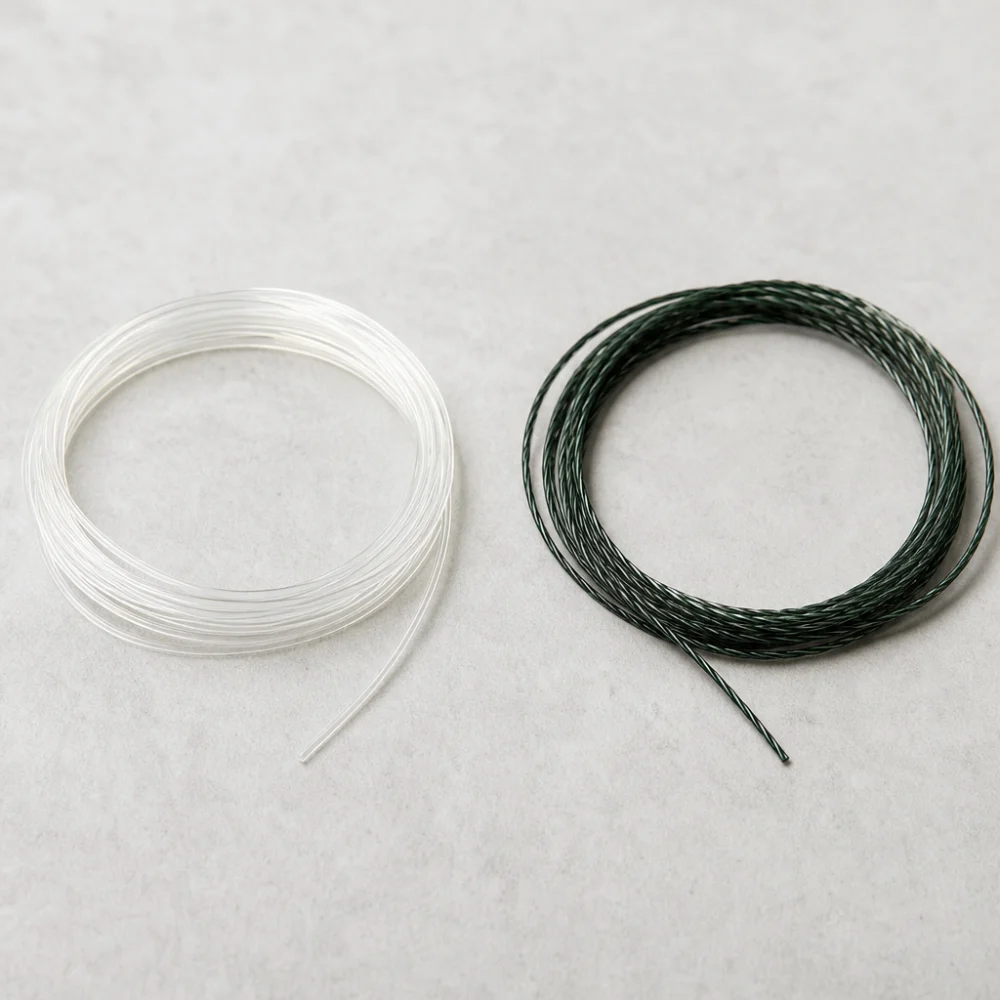
How different buyers can narrow the choice
| Buyer need | What to prioritize | Why | Good check before buying |
|---|---|---|---|
| Clear-water finesse fishing | Lower visibility and clean knot performance | The leader may be easier for fish to ignore | Material type and diameter guidance |
| Fishing around rough cover | Abrasion resistance and appropriate strength | The line is more likely to contact structure | Strength rating and intended use notes |
| General-purpose anglers | Balanced handling and simple setup | A versatile leader can be easier to match across trips | Leader type, length, and compatibility with main line |
| Fly anglers | Controlled turnover and presentation | The leader affects how the fly lands and drifts | Leader style and length details |
| Anglers targeting toothy or abrasive fish | Specialized resistance over stealth | Durability can matter more than invisibility | Specialty material and use-case guidance |
Common mistakes and misunderstandings
- Choosing only by strength: Strength matters, but so do visibility, stiffness, and knot behavior. A leader that is technically strong may still be a poor fit for the way you fish.
- Assuming longer is always better: More length can improve stealth or separation, but it can also add complexity. Choose length based on your technique and how much control you want.
- Ignoring the main line: A leader has to work with the line already on your reel. If the materials or strengths are too mismatched, the whole setup can become awkward.
- Overlooking the fishing environment: Open water, heavy cover, and clear water can each call for different priorities. Match the leader to the conditions instead of treating all fishing the same way.
Safety and suitability caveats
Fishing leaders are a setup choice, not a guarantee of performance. Choose a leader that suits your target species, line system, and fishing environment, and avoid assuming that any one leader works for every style of fishing. Specifications vary by model, so always check the individual product page before buying.
Maintenance, storage, and lifespan considerations
Leaders are often small, but they still deserve basic care. Keep them clean, avoid unnecessary abrasion, and store them so they are not tangled, kinked, or exposed to conditions that may weaken the line over time. If you buy leaders in spool or material form, think about how often you change rigs and whether you want a product that is easy to organize and re-tie.
How to compare options efficiently
- Decide what problem the leader needs to solve, such as stealth, abrasion resistance, or better presentation.
- Narrow the material type based on your water conditions and fishing style.
- Compare length, strength, and any diameter information that is provided.
- Check how the leader connects to your main line and whether that fits your current setup.
- Read the product page for the intended use and any model-specific details before you buy.
Summary buyer decision checklist
- Does the leader material fit your water clarity and presentation needs?
- Is the strength appropriate for the fish and the places you fish?
- Is the length suited to your technique and setup style?
- Will the leader work with your current main line and connection method?
- Do you need general-purpose performance or a more specialized leader?
- Have you checked the individual product page for model-specific details?
Frequently asked questions
What is the main purpose of a fishing leader?
A fishing leader helps connect your main line to your hook, lure, or fly while addressing a specific need in the setup. That need may be lower visibility, more abrasion resistance, or better presentation. The right leader depends on where and how you fish.
How do I choose between different leader materials?
Start by deciding whether you care most about stealth, toughness, or ease of handling. Different materials emphasize different strengths, so the better option is the one that matches your fishing conditions and rig. Check the product page for the exact material and intended use.
Does a longer leader always improve performance?
Not always. A longer leader may help with stealth or presentation, but it can also make a setup less simple to manage. The best length is the one that fits your technique and line system.
Can I use one leader for every type of fishing?
Sometimes a general-purpose leader is enough, but many anglers use different leaders for different situations. Clear water, heavy cover, and specialized techniques can each favor a different setup. It is better to match the leader to the conditions than to assume one option covers everything.
What should I check before buying a leader online?
Check material, strength, length, and any stated intended use. Also confirm that the leader style fits your main line and the way you connect terminal tackle. If the page gives model-specific details, use those rather than relying on a broad category label.
Do fishing leaders need special care?
They usually need simple care rather than complicated maintenance. Keep them clean, avoid sharp abrasion, and store them neatly to reduce tangling and wear. Replacing a leader when it shows damage is often part of normal fishing setup maintenance.
Ready-made leaders, material, and included hardware
Check whether a listing is for a finished leader, leader material sold by length, or a product that includes connection hardware. A finished leader may simplify setup, while material gives you more control over the length and connection you make. These formats are not interchangeable, so confirm what is included and whether it suits the way you assemble your rig.
More Fishing Leaders
See all 114 Fishing Leaders →



As an Amazon Associate we earn from qualifying purchases.