

Fishing backing is the line layer that sits under your main fishing line on a reel. For many anglers, it is a simple but important part of setting up a reel correctly, especially when line capacity, knot security, and line management matter.
This guide focuses on how to choose backing for fishing reels without drifting into main line, leader, or fly-line topics. It is for buyers who want to understand when backing is useful, how to compare common options, and what to check before placing anything on the spool.
Because backing is part of a reel system, the right choice depends on your main line, reel capacity, and intended fishing style. Specifications vary by model, so always check the individual product page before buying.
Compare Fishing Backing


As an Amazon Associate we earn from qualifying purchases.
What should I look for when choosing fishing backing?
The starting point is simple: choose backing that fits the reel, works with your main line, and suits the kind of fishing you plan to do. The most important trade-off is usually between thickness, handling, and how much line you want to reserve for the main line above it. If you are unsure, focus first on compatibility and capacity rather than chasing a specific material or brand style.
| Feature | What It Means | Why It Matters | What To Check |
|---|---|---|---|
| Line type | The construction or material style of the backing | Affects handling, knot behavior, and how the backing layers on the spool | Whether it is intended for your reel setup and main line choice |
| Diameter | How thick the backing is | Changes reel capacity and how much room remains for the main line | Spool space, capacity estimates, and any size guidance on the product page |
| Strength | The load the backing is intended to handle | Helps you judge whether it suits the way the reel will be used | Listed strength information, if provided, and whether it fits your target use |
| Stretch and feel | How much the line gives under tension and how it handles on the spool | Can affect smoothness, knot tie-in, and how the system lays under pressure | Material description and any notes about intended use or handling |
| Visibility | How easy the line is to see | May matter when the backing is likely to be exposed near the top of the spool | Whether a visible or low-profile backing makes more sense for your setup |
Key decision criteria
Reel capacity
Backing is often used to help fill a spool before the main line goes on. That makes reel capacity one of the first checks, because too little backing may leave the spool underfilled, while too much can crowd the main line. Look for product details that help you estimate how much line will fit and how the finished spool should sit.
Compatibility with the main line
Backing should work cleanly with the line you plan to use on top of it. Anglers often pair backing with braid, but the exact setup depends on the reel and the purpose of the rig. The main thing to confirm is that the backing will not create avoidable slippage, bulk, or handling problems in your chosen system.
Diameter and bulk
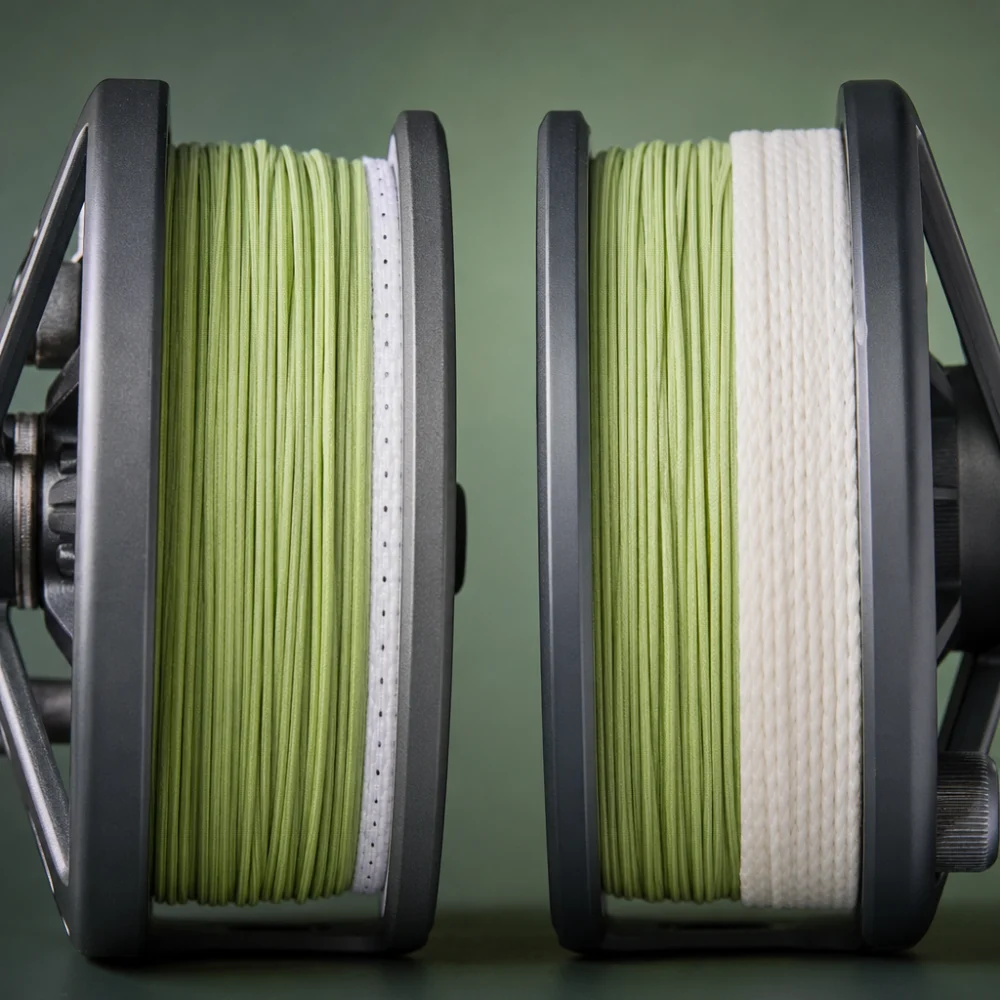
Two backing options can seem similar at first but behave differently once wrapped on a spool. A thinner backing leaves more room for the main line, while a bulkier one can fill space faster. That can be helpful or inconvenient depending on whether you need more capacity or a more compact base layer.
Handling and knot security
Backing is not just filler; it also has to stay in place and connect well to the rest of the setup. Some buyers prioritize a line that lays smoothly and ties reliably, while others care more about simple spool-filling function. The best choice depends on how often you change line and how much you value easy setup versus maximum capacity.
Common backing types and variants
Product listings in this category may vary by line construction and intended use. The useful comparison is usually not a long list of exotic variants, but whether the backing is meant for simple reel fill, a more specialized setup, or a system where the backing may play a more noticeable role.
- General-purpose backing: Often chosen for straightforward reel setup where the main job is to build spool capacity.
- Low-diameter backing: Useful when you want to reserve more space for the main line.
- More visible backing: Can make it easier to notice what is on the spool during setup or later inspection.
Which backing suits different buyer needs?
| Buyer need | What to prioritize | Main trade-off |
|---|---|---|
| First-time reel setup | Simple capacity fit and straightforward handling | Less specialized choices may not be optimized for advanced setups |
| Angler focused on maximizing main line space | Thin backing and careful spool planning | More attention is needed to avoid underfilling or overfilling |
| Frequent line changer | Easy handling and dependable knot behavior | May favor convenience over the smallest possible diameter |
| Gift buyer | General-purpose backing with clear product details | Without knowing the reel and line, a highly specialized choice may miss the mark |
| Experienced angler tuning a setup | Exact capacity match and line-management priorities | Requires more care when comparing product information |
Common mistakes and misunderstandings
- Choosing backing without checking spool capacity: A line that seems suitable on paper may still leave the reel underfilled or too tight. Capacity matters as much as the line itself.
- Assuming all backing is interchangeable: Different constructions may behave differently when spooled and tied. Compare the details instead of treating every option as identical.
- Buying only by strength: Strength can matter, but it is not the only factor. Diameter and handling often have a bigger effect on whether the backing works well in practice.
- Overlooking the main line setup: Backing is chosen around the line that goes above it. The best backing is the one that supports the whole reel system.
Safety and suitability caveats
Fishing backing is generally a low-risk purchase, but it still needs to fit the reel and the rest of the line system. Check the individual product page for material notes, intended use, and any capacity guidance before buying. If you are building a setup for a specific fishing style, make sure the backing choice does not reduce the performance of the main line above it.
Maintenance, storage and lifespan considerations
Backing is usually part of a reel setup that may stay in place for a long time, but it can still be affected by storage conditions, abrasion, and repeated re-spooling. If the backing is exposed to sunlight, moisture, or dirt during use and storage, it may age differently from the rest of the system. When comparing products, think about whether you want something that is easy to replace, easy to inspect, or intended to stay under the main line with minimal attention.
How to compare options efficiently
- Start with your reel and the main line you plan to use.
- Check whether the backing is meant to help fill capacity, improve line management, or support a more specialized setup.
- Compare diameter, handling, and any listed strength information.
- Look for product-page details that suggest how it will behave when spooled and tied.
- Choose the option that matches your setup goals without reducing the space or performance you need above it.
Summary buyer decision checklist
- Does the backing fit the reel capacity you are trying to achieve?
- Will it work with the main line you plan to spool on top?
- Is the diameter small enough for your space needs?
- Do the handling and knot details suit your setup?
- Have you checked the individual product page for model-specific information?
Frequently asked questions
Do I always need backing on a reel?
Not always. Some reel setups use it mainly to fill space or support a specific line arrangement, while others may not need much at all. The decision depends on your reel, your main line, and how much capacity you want left on the spool.
Is thicker backing better?
Not necessarily. Thicker backing can fill a spool faster, but it also uses space that might otherwise go to the main line. Thinner backing is often more flexible when capacity is tight.
Should backing match my main line material?
Not automatically. The better question is whether the backing works well with the line that sits above it and whether the full setup behaves the way you want. Many buyers focus more on fit and handling than on exact material matching.
How much backing do I need?
That depends on the reel and how much room the main line requires. The most reliable approach is to use the product details and your reel capacity information together rather than guessing. If the setup is unfamiliar, start conservatively and verify the spool fill before finalizing it.
Can backing affect casting or line handling?
It can, especially if the spool is overfilled or the line layers unevenly. Backing is meant to support the setup, so its main job is to help the reel perform cleanly with the main line above it. The finished spool matters more than the backing alone.
Is fishing backing only for advanced anglers?
No. Many buyers use it for simple reel setup, not just for technical tuning. The difference is that advanced anglers may care more about exact diameter and capacity, while beginners may focus on ease of use and clear product information.
For fly-fishing setups, check the complete reel system
In fly fishing, backing is the line beneath the fly line on the reel; it is distinct from both the fly line and the leader. It can provide reserve line and help fill the spool, but those roles do not make every backing option interchangeable. Before choosing, check the reel’s capacity guidance for the fly line and backing, and confirm that the backing’s listed characteristics suit the intended setup. Avoid using a generic braid pairing as a substitute for checking those details.
More Fishing Backing
See all 68 Fishing Backing →

As an Amazon Associate we earn from qualifying purchases.