

Jerkbaits are hard-bodied fishing lures commonly shaped to suggest a small fish. Many are chosen for a retrieve that includes pauses, so their buoyancy and the depth they reach can affect how they fit a fishing situation.
This guide focuses on choosing hard jerkbaits, not on every lure that can be worked with a jerking motion. The right choice depends on the water column you want to cover, the size and profile you have in mind, and how the lure may work with your tackle.
Compare Jerkbaits


As an Amazon Associate we earn from qualifying purchases.
Which jerkbait should you choose?
Start with the depth you want to target and whether you want the lure to rise, remain near its running depth, or sink during a pause. Then compare its size and profile with the forage and fishing conditions you have in mind. Check the individual product details for intended depth, buoyancy, dimensions, and hardware rather than assuming those characteristics from a product name or image. The main trade-off is between a lure’s intended behavior and how well that behavior suits your conditions and setup.
Jerkbait features to compare
| Feature | What It Means | Why It Matters | What To Check |
|---|---|---|---|
| Buoyancy | Whether the lure is intended to float, suspend, or sink. | It influences what happens during a pause and which part of the water column the lure may suit. | Look for the stated buoyancy behavior and any notes about how it may vary with setup. |
| Running depth | The depth range the lure is designed to reach. | A suitable depth can help you focus on the zone where you plan to fish. | Check the listed depth information and consider whether it fits your water and presentation. |
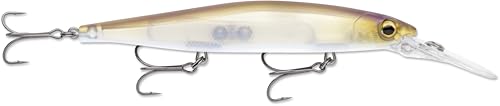
| Size and profile | The lure’s dimensions and overall shape. | These affect how closely the lure fits your intended forage size and fishing approach. | Review dimensions and product images; don’t rely on a generic label such as small or large. |
| Action | The movement the lure is designed to make as it is retrieved. | Different actions may suit different preferences and conditions, but no one action is right for every situation. | Read the product description for the intended action and any setup considerations. |
| Hooks and hardware | The included hook and connection components. | They affect handling and whether the included configuration suits your intended use. | Check the product details and confirm any relevant tackle or replacement compatibility. |
What to consider when choosing a jerkbait
Buoyancy and pauses
Floating, suspending, and sinking jerkbaits behave differently when a retrieve pauses. A floating style is intended to rise, a suspending style to stay near its running level, and a sinking style to descend. These are intended behaviors, not a guarantee that a lure will behave identically in every setup. Specifications vary by model, so always check the individual product page before buying.
Depth and water conditions
Consider where you expect to present the lure, not just its appearance. A stated running depth can help you decide whether a model fits the water you fish, while buoyancy gives another clue about its behavior during pauses. Check whether the depth information is provided and whether it aligns with your intended use.
Size and profile
Size can help you match the lure to the forage you expect fish to encounter, but a larger profile is not automatically better. Think about the kind of baitfish or other forage in your fishing context, then compare actual dimensions instead of relying only on a broad size description.
Action and tackle fit
Jerkbaits differ in their designed movement. Consider whether the product information describes an action you want, and check any guidance about suitable tackle or line. Tackle can affect how a lure is presented, so avoid assuming that the same lure will behave the same way in every setup.
Hooks, finish, and visibility
Review the hook and hardware information, especially if you already have a particular tackle setup in mind. Color and finish are also personal selection factors: consider water clarity, light, and the forage you want to imitate, while recognizing that color alone cannot guarantee a result.
Use the water-column goal as a practical filter
Before comparing specific options, decide what you want the lure to do during a pause. If you want it to rise, look for a floating designation; if you want it to remain near its running level, compare suspending models; if you want it to descend, consider a sinking designation. Then check the intended depth and size so the behavior fits the area and presentation you have in mind.
Jerkbait types and variations
For hard jerkbaits, the most useful broad distinction is often buoyancy: floating, suspending, and sinking. Floating models are intended to rise during a pause, while sinking models descend; suspending models are intended to stay near a level. Each has a different trade-off in how it covers the water column. Product-specific depth and setup details still matter, so use the individual listing rather than the type label alone.
Choosing for your fishing needs
- For a pause-and-rise presentation: Compare floating models and check their intended running depth. Their rising behavior may not suit a situation where you want the lure to remain at one level.
- For holding near a running level: A suspending model may be worth considering. Verify its stated behavior and any setup notes rather than treating the label as a precise guarantee.
- For covering water below the running level: Consider sinking models and check how the product describes their intended use. Their descending behavior may be less suitable when you want a lure to rise during pauses.
- For matching local forage: Compare dimensions and profile, then weigh color and finish as supporting choices rather than substitutes for depth and size.
Common jerkbait buying mistakes
- Choosing by color alone: Color can matter to your preference, but it does not tell you the lure’s depth or pause behavior. Compare buoyancy and running depth too.
- Assuming every suspending lure behaves identically: The label describes intended behavior. Review any product-specific notes and account for your own tackle setup.
- Guessing size from a photo: Images can make proportions hard to judge. Check listed dimensions when size matters to your choice.
- Ignoring hardware details: A lure may not fit the tackle configuration you have in mind. Check the included hooks and relevant compatibility information before buying.
- Buying a depth without a purpose: A depth figure is most useful when you know which part of the water column you intend to fish. Start with that goal, then compare models.
Safety and suitability
Jerkbaits may have exposed hooks, so consider how you will carry and store them and whether they suit the people handling your tackle. Review product information for included components and intended use, and follow applicable fishing rules and safe handling practices. Do not assume a lure is suitable for every angler or fishing situation.
Care and storage considerations
Check the product information for care guidance, particularly for hooks and other metal hardware. Organized storage that keeps hooks contained can make a tackle selection easier to manage. If you are considering replacement components, verify compatibility for the specific lure rather than assuming parts are interchangeable.
A practical buying process
- Decide which part of the water column you want to target.
- Choose the pause behavior you prefer: rise, stay near a level, or sink.
- Compare intended depth, dimensions, and profile against your fishing context.
- Review action, hooks, hardware, and any stated tackle considerations.
- Check the individual product information for details that affect suitability before making a choice.
Jerkbait buyer checklist
- Does the intended running depth fit where you plan to fish?
- Is the buoyancy behavior appropriate for how you want the lure to act during pauses?
- Have you checked the actual dimensions and profile?
- Does the described action suit your intended presentation?
- Have you reviewed the hook, hardware, and any tackle or compatibility notes?
- Does the product information answer your key questions about use and care?
Frequently asked questions
What is the difference between a floating, suspending, and sinking jerkbait?
These labels describe intended behavior when the lure is paused: a floating lure rises, a suspending lure stays near its running level, and a sinking lure descends. Check product-specific details because actual behavior can depend on the lure and setup.
How do I choose a jerkbait’s running depth?
Start with the water depth and the zone you want to cover, then compare that goal with the depth information provided for each lure. If a listing does not make the intended depth clear, avoid assuming it from the lure’s appearance.
Does lure size matter when choosing a jerkbait?
Size and profile can help you choose a lure that fits the forage and approach you have in mind. Compare stated dimensions when available, since broad size descriptions and product images may not give enough detail.
Will a suspending jerkbait always stay in place during a pause?
Suspending describes an intended behavior, not a universal guarantee. The lure’s setup and other conditions can affect how it behaves, so check the product details and consider your tackle configuration.
Should I choose jerkbait color before depth or buoyancy?
Color is one factor, but depth and pause behavior determine whether a lure fits the water and presentation you have in mind. Narrow those choices first, then compare color and finish according to your fishing context.
What should I check if I want to use a jerkbait with my existing tackle?
Review the product’s dimensions, hooks, hardware, and any stated tackle considerations. If compatibility is not clear, do not assume it from a similar-looking lure; seek product-specific information before deciding.
More Jerkbaits
See all 66 Jerkbaits →


As an Amazon Associate we earn from qualifying purchases.