

Braided fishing line is a common choice for anglers who want a line with a thin profile and very low stretch. It can help with sensitivity and casting in many setups, but the right choice depends on how and where you fish.
This guide is for shoppers comparing braided line for the first time, replacing an older spool, or deciding whether braid fits a specific rod and target species. The main questions are usually how much strength you need, how visible the line can be, and whether your reel and fishing style suit braid.
Because braided line is usually selected for performance rather than appearance, the most useful buying details are the ones that affect handling and match the way you fish. Specifications vary by model, so always check the individual product page before buying.
Compare Braided Fishing Line


As an Amazon Associate we earn from qualifying purchases.
What should you look for in braided fishing line?
Start with the line’s strength, diameter, and intended use. Braided line can be a good fit when you want sensitivity and efficient casting, but the best choice depends on lure weight, target fish, cover, and whether you plan to fish with a leader.
The main trade-off is that braid can feel different from monofilament or fluorocarbon. It is often thinner for its strength and has very little stretch, which can be helpful for bite detection, but that same low stretch may not suit every technique.
| Feature | What It Means | Why It Matters | What To Check |
|---|---|---|---|
| Strength | How much load the line is designed to handle | Needs to match the fish you expect and the way you fish | Check the line rating and compare it with your rod, reel, and target use |
| Diameter | How thick the line is for a given strength | A thinner profile can affect casting, spool capacity, and how the line behaves in water | Compare diameter rather than assuming all lines with the same rating behave the same |
| Stretch | How much the line gives under load | Low stretch can improve sensitivity, but it changes the feel of hooksets and fighting fish | Decide whether you want a more direct feel or a bit more give |
| Visibility | How easy the line is to see in the water and above it | Visibility can matter in clear water or when fish are line-shy | Consider color and whether you will use a leader |
| Surface feel | How the braid handles through guides and on the reel | Can affect casting smoothness and knot tying | Look for line that suits your reel type and the knots you plan to use |
Key decision criteria explained
Strength and intended fishing style
Line strength should fit both the fish you expect and the cover you fish around. If you are fishing near weeds, wood, or heavy structure, many anglers prefer a setup that gives them more confidence in abrasion-prone situations, though the rest of the rig still matters.
For lighter open-water fishing, a lighter braid may be easier to manage and can feel more natural with smaller lures. The useful question is not just how strong the line sounds, but whether that rating matches your rod, reel, and technique.
Diameter and spool capacity
Braid is often chosen for its thin profile, especially when anglers want more line on a spool or a line that cuts through water differently from thicker alternatives. That advantage is only useful if the diameter still works with your reel and fishing plan.
Check whether the line’s thinner profile changes how much you can spool and whether it behaves the way you want during casting and retrieval. A smaller diameter is not automatically better; it only helps if the rest of the setup is balanced.
Stretch and sensitivity
Low stretch is one of the biggest reasons people choose braid. It can make it easier to feel subtle taps and changes in bottom contact, which is helpful in many fishing styles.
The trade-off is that very direct line feel can make the setup feel less forgiving. If you are new to braid, that change in feel may take some getting used to.
Visibility and line control
Some anglers want line that is easy to see above water, while others want a line that is less noticeable below the surface. A leader can help address visibility concerns in some setups, but it is not necessary for every fishing situation.
Think about water clarity, your target species, and how much line visibility matters to your presentation. Color preference should be judged alongside the rest of the rig, not by color alone.
Knot and connection choices
Braided line often requires attention to knots and line connections because its texture and slick feel can differ from other line types. The right knot depends on how you plan to connect the line to a lure, hook, swivel, or leader.
If you already use a certain knot confidently, check whether it suits braid and whether the product page gives any helpful guidance. A line can be a good match on paper but still feel awkward if it does not suit your usual connection method.
Common braided line types and variants
Braided fishing line is usually compared by strength, diameter, color, and how it behaves on the reel rather than by dramatic visual differences. That means the most useful distinctions are practical ones.
- General-purpose braid: A broad choice for anglers who want the basic benefits of braid without a highly specialized setup.
- Higher-visibility braid: Easier to see above water, which may help with line tracking and handling.
- Lower-visibility braid: Chosen when line visibility is a concern and the angler wants a quieter visual presence.
- Thin-diameter braid: Helpful when spool space and casting feel matter, but it still needs to match the rest of the setup.
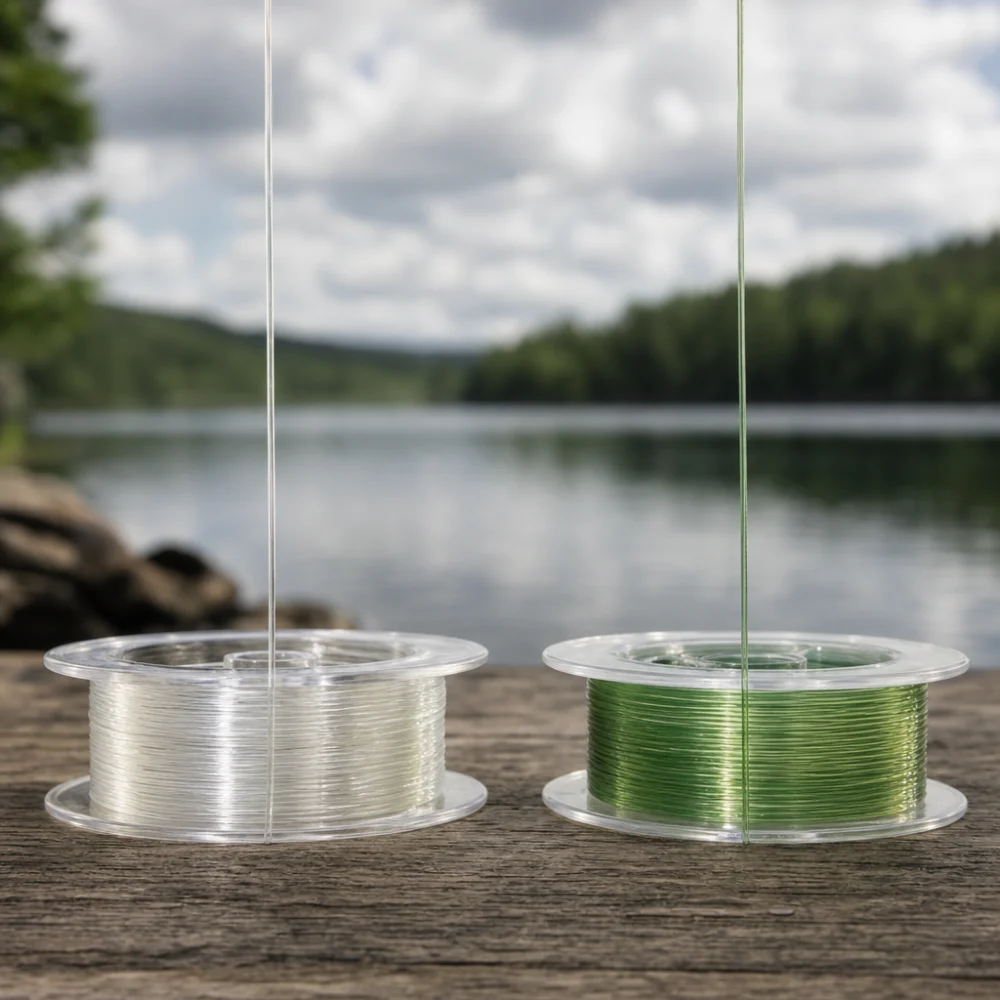
The key is not choosing a type by name alone, but matching the line’s practical behavior to your fishing style.
Which braided line suits different buyers?
| Buyer need | What to prioritize | Why it helps |
|---|---|---|
| Beginner looking for an easy first braid | Clear line rating, familiar handling, and a straightforward color choice | Makes the setup easier to understand and compare |
| Angler fishing around cover | Strength, diameter, and confidence in the chosen setup | Helps the line suit tougher conditions |
| Angler who values sensitivity | Low stretch and a line that feels direct through the rod | Can make light bites and bottom contact easier to notice |
| Angler who wants easier spool management | Diameter and reel fit | Helps the line load the reel in a way that feels balanced |
| Angler comparing line visibility | Color and use of a leader | Supports the presentation style you plan to use |
Common mistakes and misunderstandings
Choosing by strength alone: Strength matters, but diameter, stretch, and reel fit also matter. A line that sounds strong on paper may not be the best practical match for your setup.
Ignoring how braid changes the feel of the rig: Braid can make a setup more direct and sensitive, which is useful but different. If you are used to more forgiving line, that change may affect how the rod feels and how you set the hook.
Overlooking visibility: Some anglers focus only on performance and forget to think about how visible the line may be. If that matters in your fishing, consider whether a leader or different color would fit better.
Assuming every braid behaves the same: Different products can vary in handling and line characteristics. Specifications vary by model, so always check the individual product page before buying.
Safety and suitability caveats
Braided fishing line is a buying decision about fishing performance and setup fit, not a universal choice for every rod or technique. Make sure the line rating, reel capacity, and your planned use all make sense together before buying.
If you are uncertain about line choice for a specific rod, reel, or technique, compare the product details carefully and look for compatibility notes from the seller or manufacturer.
Maintenance, storage, and lifespan considerations
Fishing line is a consumable, and braid can wear or feel different over time depending on how often you use it and what conditions you fish in. That makes storage and inspection part of the buying decision, not just an afterthought.
Keep the line clean and store it away from unnecessary heat, sunlight, and abrasion when possible. If you fish frequently, plan to check for fraying, reduced handling quality, or other signs that it is time to replace or re-spool it.
How to compare braided line options efficiently
- Decide what kind of fishing you do most often and what problems you want the line to solve.
- Narrow the choice by strength and diameter, then check whether the line fits your reel and casting needs.
- Think about stretch, visibility, and whether you plan to use a leader.
- Compare how each option matches your fishing style rather than focusing on a single headline feature.
- Read the individual product page closely before buying, especially where specifications vary by model.
Summary buyer decision checklist
- Does the line strength fit your target fish and fishing style?
- Is the diameter appropriate for your reel and spool capacity?
- Does the low-stretch feel suit the technique you plan to use?
- Have you considered visibility and whether a leader may help?
- Do the line details make sense for your rod, reel, and usual conditions?
- Have you checked the individual product page for model-specific specifications?
Frequently asked questions
Is braided fishing line good for beginners?
It can be, especially if the beginner wants sensitivity and a thin line profile. The main adjustment is that braid can feel different from monofilament, so it helps to choose a setup that is easy to manage and well matched to the reel.
Do I need a leader with braided fishing line?
Not always. Some anglers use braid directly, while others add a leader to change visibility, abrasion resistance, or handling at the end of the rig. The right answer depends on the fishing situation and the presentation you want.
Why does braided line feel so different from monofilament?
Braid usually has very little stretch and a thinner profile for its strength, so the line can feel more direct. That can be helpful for sensitivity, but it also changes how the setup loads and how the fish feels on the other end.
How do I choose the right strength?
Start with the fish you expect to target and the water or cover you will fish around most often. Then check whether the line rating fits your rod, reel, and technique rather than choosing only by headline strength.
Does line color matter?
It can matter for visibility above water and for how easy the line is to track. Some anglers prioritize seeing the line clearly, while others prefer a more subtle look or use a leader to help manage visibility.
Can braided line be used on most reels?
It is commonly used on many reel types, but that does not mean every braid is ideal for every reel. Check reel capacity, line handling, and the product page details so the setup matches your gear.
Construction and spool length
Some braided lines are described by their strand count. Treat that as one construction detail, not a stand-alone measure of quality or suitability: compare the stated diameter, strength, and any handling information alongside it.
Also check the line’s stated length against your reel’s capacity and how much line you expect to need. Capacity can vary with line diameter, so do not assume that the same length will fill every reel equally.
More Braided Fishing Line
See all 153 Braided Fishing Line →


As an Amazon Associate we earn from qualifying purchases.