

Bike chains are one of the most important wear items on a bicycle drivetrain, but choosing one is not just about picking a chain that looks similar. The right choice depends on how many gears your bike has, how the chain fits the rest of the drivetrain, and how much upkeep you want to do.
If you are replacing a worn chain, upgrading a drivetrain, or buying for a new build, it helps to focus on compatibility first and then compare durability, shifting feel, and maintenance needs. That keeps the decision practical and avoids buying a chain that does not suit the rest of the bike.
Specifications vary by model, so always check the individual product page before buying.
Compare Bike Chains


As an Amazon Associate we earn from qualifying purchases.
What should you look for in a bike chain?
The best starting point is drivetrain compatibility. After that, compare the chain’s intended use, the connector or joining method, and how much attention it needs over time. A chain that matches the bike’s gearing and maintenance routine is usually a better fit than one chosen for a single feature.
| Feature | What It Means | Why It Matters | What To Check |
|---|---|---|---|
| Drivetrain compatibility | Whether the chain is intended for the number of rear gears and the rest of the drivetrain setup. | A chain that does not match the drivetrain can shift poorly or fail to fit correctly. | Confirm the gear system on the product page and compare it with your bike’s drivetrain. |
| Chain width and format | The chain’s overall shape and intended drivetrain family. | Different drivetrains use different chain designs, even when the bike looks similar. | Match the chain to the drivetrain type listed by the seller. |
| Joining method | How the chain is connected after installation. | Some riders prefer a reusable quick link, while others are fine with a standard connecting pin or link style. | Check whether a connector is included and whether it suits your tools and preferences. |
| Intended riding use | Whether the chain is aimed at commuting, road riding, gravel, mountain biking, or general use. | Different riding styles place different demands on shifting smoothness, grime exposure, and wear. | Look for the chain’s intended category and compare it with your riding conditions. |
| Maintenance needs | How often the chain may need cleaning, lubrication, and wear checks. | Some riders want lower-fuss ownership, while others are comfortable with more frequent care for better performance. | Review the maintenance guidance and consider your riding mileage and storage conditions. |
Key decision criteria
Match the drivetrain first
Chain compatibility matters more than most other features. A chain has to suit the drivetrain it is meant for, including the gear system it will run with. If you are replacing a chain, compare the current bike setup carefully rather than assuming any chain in the same general category will fit.
Think about shifting feel and use case
Some chains are aimed at smoother shifting, while others are built more around durability or everyday reliability. The trade-off is often between a refined feel and easier long-term care. If you ride in wet or gritty conditions, prioritizing upkeep and wear resistance may be more useful than chasing a very specific feel.
Consider connection and installation preferences
Bike chains may use different joining methods, and that can affect how convenient installation and later removal feel. If you like straightforward chain removal for cleaning or travel, the joining style may matter more than you first expect. Check what is included and whether any separate tools or links are needed.
Look at maintenance expectations honestly
A chain is a wear item, so the important question is not whether it needs care, but how much care fits your routine. Riders who clean and lubricate regularly can usually pay more attention to performance details, while occasional riders may prefer a chain that is simple to manage. Specifications vary by model, so always check the individual product page before buying.
Common bike chain types and variants
Most bike-chain choices come down to drivetrain family, intended use, and connector style rather than dramatic visual differences. That means the practical decision is usually about fit and function, not aesthetics.
- Drivetrain-specific chains: Designed for particular gearing systems and the most important starting point for compatibility.
- General-purpose replacement chains: Often suited to everyday riding when matched correctly to the bike’s drivetrain.
- Performance-oriented chains: May appeal to riders who care about shifting feel and drivetrain refinement.
- Maintenance-friendly chains: Useful for riders who want easier cleaning or removal.
Which chain suits which buyer?
| Buyer need | What to prioritize | Why it helps |
|---|---|---|
| Replacing a worn chain | Exact drivetrain match and correct joining method | Helps maintain proper fit and avoids compatibility problems. |
| Daily commuting | Reliable fit, straightforward maintenance, and durability | Supports frequent riding with less fuss. |
| Gravel or mixed-surface riding | Durability and resistance to dirty conditions | Useful when the chain sees grime, moisture, and varied terrain. |
| Performance-focused riding | Shifting feel and drivetrain match | Helps the bike feel responsive under regular use. |
| Low-maintenance ownership | Simple care routine and easy cleaning access | Makes routine upkeep more realistic over time. |
Common mistakes to avoid
Buying by appearance alone: Bike chains can look similar while being intended for different drivetrains. Always compare compatibility details first.
Assuming one chain works for every bike: A chain has to suit the setup it will run with, not just the rider’s general preference.
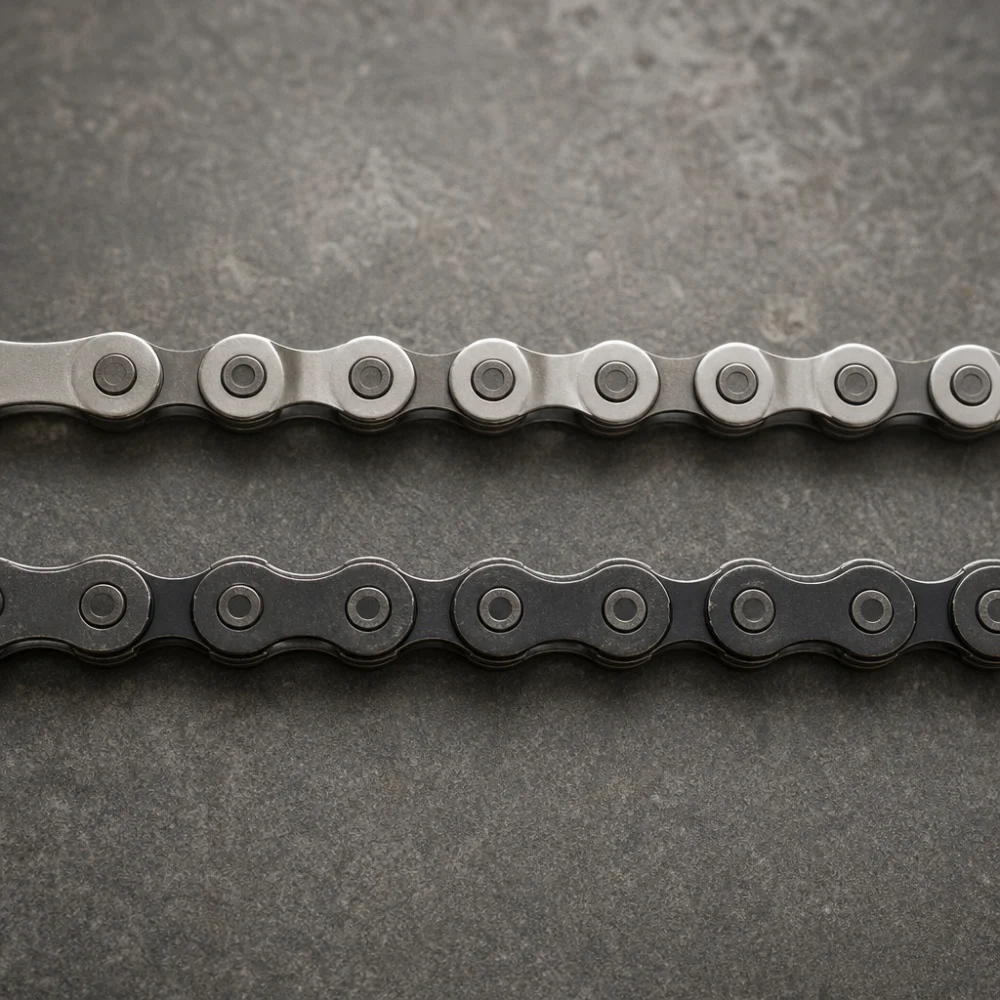
Ignoring the joining method: The way a chain connects can affect installation convenience and later maintenance.
Overlooking maintenance habits: A chain that suits a careful maintenance routine may not be the easiest choice for someone who rides hard and cleans less often.
Safety and suitability notes
Bike chains are simple in concept, but fit matters enough that it is worth checking the product page carefully before buying. If you are unsure about compatibility, compare the drivetrain details rather than relying on appearance or a general category label. Do not assume a chain is suitable for a bike just because it seems close in size or style.
Maintenance, storage, and lifespan considerations
Chains wear gradually, so replacement planning is part of ownership. Regular cleaning and lubrication can help keep a drivetrain running smoothly, while dry or dirty storage conditions may increase upkeep needs. If you ride often, it makes sense to choose a chain you are comfortable maintaining rather than one that only looks attractive on paper.
It also helps to think about the rest of the drivetrain. A worn chain can affect how the bike feels, so buyers often compare chain choices alongside cassette and chainring condition when replacing parts.
How to compare bike chains efficiently
- Start with your bike’s drivetrain setup and narrow the choices to compatible chains.
- Decide whether you care more about smooth shifting, easier maintenance, or everyday durability.
- Check the joining method and whether any separate connector is included or required.
- Compare maintenance expectations against how often you ride and clean the bike.
- Read the individual product page carefully before choosing.
Bike chain buyer checklist
- Does the chain match the bike’s drivetrain setup?
- Is the joining method convenient for your tools and routine?
- Does the chain suit your riding conditions?
- Are the maintenance expectations realistic for how you ride?
- Have you checked the product page for model-specific details?
Frequently asked questions
How do I know which bike chain I need?
Start with the drivetrain on your bike, then look for a chain designed for that setup. Matching the drivetrain is the most important step because chain design varies by gearing system. After that, compare the joining method and maintenance expectations.
Can I use any bike chain on any bike?
No, not safely or reliably. Different bikes use different drivetrain setups, and the chain has to suit the rest of the system. A close-looking chain may still be the wrong choice if the drivetrain does not match.
What is the difference between a replacement chain and a performance chain?
A replacement chain is usually chosen to fit the existing setup and restore normal function. A performance-oriented chain may place more emphasis on shifting feel or drivetrain refinement. The right choice depends on whether you value simplicity or a more specific ride feel.
Do bike chains need special maintenance?
They need regular cleaning, lubrication, and wear checks, but the exact routine depends on the model and how you ride. Wet, dusty, and high-mileage use usually means more frequent care. If you want lower upkeep, look for a chain that suits that preference without sacrificing compatibility.
What should I check before buying a replacement chain?
Check drivetrain compatibility first, then review the joining method and any included connector. It is also wise to look at the condition of the rest of the drivetrain, since a new chain does not solve every wear issue. Specifications vary by model, so always check the individual product page before buying.
Why does chain joining method matter?
It affects how the chain is installed and how easy it is to remove later. Some riders prefer a quick link for convenience, while others are comfortable with other connection styles. The best option depends on your tools and maintenance habits.
When should I replace a bike chain?
Replacement timing depends on wear, riding conditions, and maintenance habits. If shifting quality changes or the drivetrain is showing signs of wear, it may be time to compare replacement options. A bike shop can help confirm whether the chain, cassette, or other parts need attention.
Check chain format and listed length
Speed count is a useful starting point for a geared bike, but it may not be enough to confirm compatibility. Check the bike and drivetrain maker’s guidance when available, especially if the product listing identifies a particular drivetrain family. Single-speed setups also require a chain format that fits the sprockets; don’t assume chains with similar appearances are interchangeable.
Review the chain’s listed length or link count against the bike’s setup. The required length depends on the bike’s drivetrain configuration, so a replacement should be suitable for that setup rather than selected by a general-purpose label alone. If the product information does not make the fit clear, confirm it with a qualified bike shop before buying.
More Bike Chains
See all 80 Bike Chains →


As an Amazon Associate we earn from qualifying purchases.