
Bike Chains
Bike chains are the drivetrain links that transfer power from the pedals to the rear wheel, so this category is where riders compare chain types for different bikes and gearing setups. When browsing the options, it helps to check speed compatibility, length, and whether the chain is intended for a specific drivetrain style.
Some chains are built for everyday riding, while others are chosen for smoother shifting or easier maintenance. Reviewing the individual product details can help you match the chain to your bike and the way you ride.
Single-speed and derailleur drivetrains can call for different chain designs, so check the bike’s setup as well as its gear count. Chain width and connection details also matter when confirming a replacement.
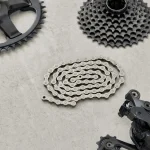
Showing 1–12 of 80 results


Bike chains connect the crankset and cassette or freewheel, making them a core part of how a bicycle moves and shifts. This category is useful when you need a replacement chain or want to compare chain options for a particular drivetrain setup. Because chain designs vary, it is worth checking the individual listing for compatibility details before choosing one.
What to compare in a bike chain
One of the first things to confirm is drivetrain compatibility. Many listings are organized by speed range, and the chain needs to match the number of gears on the bike. Chain length also matters, since a chain must be sized correctly for the drivetrain and the bike’s gearing. If the listing includes quick-link or master-link details, that can also affect installation and maintenance.
Riders may also compare how a chain is positioned for different kinds of use. Some are intended for general replacement, while others are aimed at shifting performance or easier cleaning. If you ride in varied conditions, it can help to review the product description for maintenance guidance and any notes about corrosion resistance or surface treatment, when supplied.
Matching the chain to the bike
For the best fit, compare the chain against the bike’s drivetrain components rather than relying on appearance alone. The cassette, derailleur setup, and chainring arrangement all influence what chain will work properly. A careful match can support smoother operation and help reduce unnecessary wear, but the individual product page should always be checked for the exact compatibility guidance.
Useful details to check before choosing
It is also worth looking at how the chain is intended to be installed and maintained. Some products may be better suited to riders who want straightforward replacement, while others may be aimed at people who service their own bikes more often. If you are comparing listings, focus on the stated drivetrain range, sizing guidance, and any included connection hardware so you can select a chain that suits your bike and riding style.
Single-speed and geared chain choices
Single-speed drivetrains and bikes with derailleurs do not necessarily use interchangeable chains. A single-speed setup may use a different chain width from a multi-speed drivetrain, while geared chains are designed to work with a particular range of sprocket spacing. Check the bike’s existing chain and drivetrain specifications, rather than choosing by appearance or gear count alone.
Before installation, confirm the chain’s sizing instructions and whether its connection method is compatible with your tools and setup. A chain may need to be shortened to suit the bike; follow the product guidance or consult a qualified mechanic if you are unsure.