

Arrow fletching jigs are for archers who want consistent vane or feather placement when building or re-fletching arrows. The main buying decision is less about one “best” jig and more about how much repeatability, adjustability, and convenience you need for your arrow setup.
If you are replacing worn fletching, building a set from scratch, or trying to make your arrows look and behave more consistently, the right jig can save time and reduce guesswork. The key is matching the jig to the shaft size, fletching style, and how often you plan to use it.
Because designs vary, it helps to focus on the clamp, the indexing system, and how much adjustment the jig offers. Specifications vary by model, so always check the individual product page before buying.
Compare Arrow Fletching Jigs


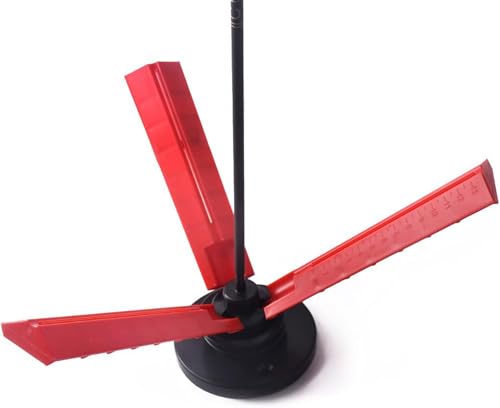

As an Amazon Associate we earn from qualifying purchases.
What should you look for in an arrow fletching jig?
Start with the kind of arrows you work on and how precise you want the result to be. A simple jig may be enough for occasional repair work, while a more adjustable model is better if you want to fine-tune fletching position or work with different arrow setups. The main trade-off is usually simplicity versus flexibility.
| Feature | What It Means | Why It Matters | What to Check |
|---|---|---|---|
| Clamp style | The part that holds the vane or feather in place | Helps determine how easy the jig is to use and how consistently it positions the fletching | Whether it suits the fletching material and the way you like to place each vane |
| Adjustability | How much you can change offset, spacing, or orientation | Useful if you want more control or work on different arrow builds | Which adjustments are available and how easy they are to repeat |
| Arrow compatibility | What shafts and arrow sizes the jig can accommodate | Affects whether the jig matches your current arrows and future setups | Supported shaft type, size range, and any limiting design features |
| Repeatability | How consistently the jig places each fletching | Important for neat, matched arrows and steady workflow | Indexing method, alignment aids, and how securely parts lock in place |
| Setup complexity | How much adjustment or learning the jig requires | Can matter if you want quick repairs instead of a more involved build process | Whether the jig is straightforward for your experience level |
| Build quality | Materials, rigidity, and how solid the jig feels in use | Can affect durability and how stable the setup feels during repeated use | General construction details and user notes on stability |
Key decision criteria explained
Clamp design
The clamp is the part that contacts the fletching, so it has a direct effect on how cleanly and consistently you can attach vanes or feathers. Some buyers want a straightforward clamp that is easy to position, while others care more about precise repeat placement. The right choice depends on how much control you want during each build.
Arrow and fletching compatibility
Different jigs are not equally suited to every arrow or every fletching style. Check whether the jig is intended for the shaft type you use and whether it supports the fletching shape and size you plan to install. This is one of the most important checks because a jig that seems simple can still be awkward if it does not fit your setup well.
Adjustment range
Adjustment matters if you want to experiment with fletching placement or keep the option to change your arrow setup later. More adjustment can be useful, but it may also add steps and require more careful setup. If you only need a basic repair tool, you may prefer a simpler layout over extra flexibility.
Consistency and ease of use
A good jig should help you repeat the same placement again and again without making the process feel fussy. If you are new to arrow building, a simpler setup may reduce frustration. If you are more experienced, you may value finer control over how the jig indexes each vane or feather.
Types and common variants
Arrow fletching jigs are usually compared by how they handle adjustment and how much control they offer, rather than by dramatic category differences. A basic jig is often appealing for simple, repeatable use. A more adjustable jig may suit archers who want more control over placement or who expect to work on different arrow setups over time.
Some buyers also prefer a compact jig for occasional use, while others want a sturdier bench-style feel for regular arrow work. The useful difference is usually not style alone, but how stable, repeatable, and convenient the jig feels when you are actually fletching.
Which jig suits which kind of buyer?
| Buyer need | What to prioritize | Why it helps |
|---|---|---|
| Occasional repairs | Simplicity and quick setup | Makes it easier to refletch an arrow without spending extra time on adjustments |
| Repeated arrow builds | Repeatability and stable indexing | Helps keep a set of arrows consistent from one arrow to the next |
| More customization | Adjustment options and clear alignment | Lets you fine-tune placement to match your preferences |
| Beginner-friendly use | Clear clamping and straightforward setup | Reduces guesswork while you learn the process |
| Different arrow setups | Compatibility and flexible adjustment | Makes the jig more useful if your gear changes over time |

Common mistakes to avoid
- Buying a jig only for its overall design and not checking arrow compatibility.
- Overlooking how much setup time the jig needs for each fletching job.
- Choosing more adjustability than you will actually use.
- Assuming every jig works equally well with every fletching material or arrow shaft.
- Focusing on appearance instead of repeatability and ease of alignment.
Safety and suitability considerations
Arrow fletching jigs are buying tools, not protective equipment, so the main concern is suitability rather than direct physical risk. Check that the jig matches your arrows and the way you build them, and avoid assuming a tool will work well just because it looks similar to another model. If you are unsure about a specific shaft, fletching style, or adhesive approach, use the individual product page as your first reference point.
Maintenance and storage
Most buyers will want a jig that stays clean, stores easily, and keeps its alignment between uses. Dust, adhesive residue, and rough handling can make a jig less pleasant to use over time, so simple care and sensible storage matter. If a model has moving parts or removable pieces, it is worth checking how easy those are to clean and reset after use.
How to compare options efficiently
- Decide whether you need a basic repair tool or a more adjustable jig for regular arrow building.
- Confirm that the jig suits your arrow shaft type and the fletching style you plan to use.
- Compare how easy the clamp and alignment system are to use.
- Weigh repeatability against convenience, since more control can mean more setup.
- Check the individual product page for any model-specific details before you choose.
Summary buyer decision checklist
- Does the jig fit the arrows you actually use?
- Is the clamp style appropriate for your fletching material?
- Do you want a simple setup or more adjustment?
- Will the jig give you the repeatability you need?
- Is the build easy to store, clean, and use repeatedly?
Frequently asked questions
What does an arrow fletching jig do?
It helps you place vanes or feathers on an arrow in a consistent position. That makes it easier to build or restore arrows with similar alignment from one shaft to the next.
Do I need an adjustable jig?
Not always. A simple jig may be enough if you only do occasional repairs and want a straightforward process, while an adjustable model is more useful if you want more control or expect to experiment.
Can one jig work for every arrow?
Usually not. Compatibility depends on the jig design, the shaft type, and the fletching style, so it is important to confirm that the model suits your setup.
Is a more expensive jig always better?
Not necessarily. The right choice is the one that matches your needs, your experience level, and the level of repeatability you want, not simply the one with the most features.
What matters most for beginners?
Beginner buyers usually benefit from clear alignment, simple clamping, and an easy setup process. A less complicated jig can reduce mistakes while you learn.
How should I think about storage and maintenance?
Look for a jig that is easy to keep clean and store safely between uses. Basic care helps preserve alignment and makes the tool more pleasant to use over time.
What if I only fletch arrows occasionally?
If you only use a jig now and then, convenience may matter more than having every possible adjustment. In that case, a simpler model can be a practical choice.
Fletching orientation and clamp configuration
Jigs can differ in whether they position fletching straight along the shaft or at an offset or helical angle. These choices affect how the fletching is oriented, so consider the setup you intend to use rather than assuming one configuration suits every arrow or preference.
Before buying, check whether the jig supports your intended orientation and whether that setting is fixed or adjustable. If you need a particular left- or right-hand helical arrangement, verify that the jig or its clamp explicitly supports it; adjustability alone does not confirm compatibility. Also check whether the clamp suits the fletching style you plan to use.
More Arrow Fletching Jigs
See all 98 Arrow Fletching Jigs →


As an Amazon Associate we earn from qualifying purchases.