
Arm guards are a simple part of archery setup, but the right choice can make practice more comfortable and reduce distractions from string contact. They are worth comparing carefully if you are new to shooting, changing bow setup, or replacing a guard that no longer fits well.
Because styles vary, shoppers usually need to look at coverage, fit, fastening method, and how easy the guard is to put on and take off. The main goal is not to find the most elaborate option, but the one that suits your forearm shape, shooting clothing, and preferred level of coverage.
What should you look for in an arm guard?
The best starting point is fit and coverage. An arm guard should stay in place without feeling restrictive, and it should cover the area you want protected without getting in the way of your bow arm position. After that, the most useful differences are usually material, fastening style, and overall shape.
For many buyers, the trade-off is simple: more coverage can feel more secure, while a lighter or slimmer guard can feel less noticeable. Specifications vary by model, so always check the individual product page before buying.
| Feature | What It Means | Why It Matters | What To Check |
|---|---|---|---|
| Coverage area | How much of the forearm the guard covers | More coverage may help if you want a broader shield from string contact | Look at the shape and length description on the product page |
| Fit and adjustability | How the guard stays secured on the arm | A stable fit is important for comfort and consistency while shooting | Check fastening style and whether the design is meant to adjust to different arm sizes |
| Material feel | What the guard is made from and how it sits against the arm | Material affects comfort, flexibility, and how noticeable the guard feels during use | Review the listed material and any notes about flexibility or firmness |
| Profile | How bulky or slim the guard is | A slimmer profile may be less intrusive, while a larger profile may feel more substantial | Compare the overall shape with the way you hold the bow arm |
| Ease of use | How quickly it can be put on and removed | Convenience matters if you shoot often or share gear | Look for simple fastening and a design you can adjust without fuss |
Key decision criteria explained
Fit and stability
An arm guard should stay centered on the forearm rather than sliding around. A secure fit matters because a guard that shifts can become annoying during practice and may need constant adjustment. If you are comparing options, focus on whether the fastening system seems suited to your arm size and whether the shape looks comfortable in your shooting stance.
Coverage and shape
Some guards are designed to cover a compact area, while others extend farther along the forearm. More coverage may be helpful if you prefer extra margin, but a larger shape can feel more noticeable. Think about where your sleeve, wrist, and inner forearm sit when you draw, then choose a shape that does not seem likely to interfere.
Material and comfort
Comfort often comes down to how the guard feels against the skin or over clothing. Softer or more flexible materials may feel easier to wear, while firmer designs may keep their shape better. If you shoot in different temperatures or layered clothing, check whether the guard appears better suited to bare skin, a sleeve, or both.
Fastening style
Fastening affects both convenience and fit. A simple attachment can be quick to use, while a more adjustable design may offer a more tailored feel. The right choice depends on whether you value speed, a snug fit, or easy sharing among different users.
Common arm guard types and variants
Arm guards are usually distinguished more by shape and fastening approach than by dramatic category splits. A compact guard may suit a shooter who wants minimal bulk, while a longer guard may suit someone who wants broader forearm coverage. Adjustable designs can be useful when fit matters most, and simpler designs can appeal to buyers who want a straightforward accessory.
If you are comparing variants, avoid assuming that a more substantial-looking guard is automatically better. The useful question is which design matches your draw style, comfort preference, and how much coverage you actually want.
Who may prefer which kind of arm guard?
| Buyer need | Feature to prioritize | Why it helps |
|---|---|---|
| Beginner or first-time buyer | Simple fit and easy fastening | Makes setup less confusing and easier to wear consistently |
| Frequent practice user | Comfort and stable placement | Reduces distraction during repeated shooting sessions |
| Buyer replacing an old guard | Coverage and shape similar to the previous one | Helps maintain familiar feel while improving what was lacking before |
| Gift buyer | Adjustable fit and neutral design | Improves the chance that the guard will suit the recipient |
| Buyer who wears layered clothing | Fit range and fastening flexibility | Helps the guard stay comfortable over different sleeves |
Common mistakes and misunderstandings
Choosing only by appearance. A guard may look sturdy, but fit and comfort matter more than style. Focus on how it is worn and how much of the arm it covers.
Assuming one size suits every shooter. Arm shape, clothing, and shooting posture can all affect fit. Look for adjustability and check the product details for any fit notes.
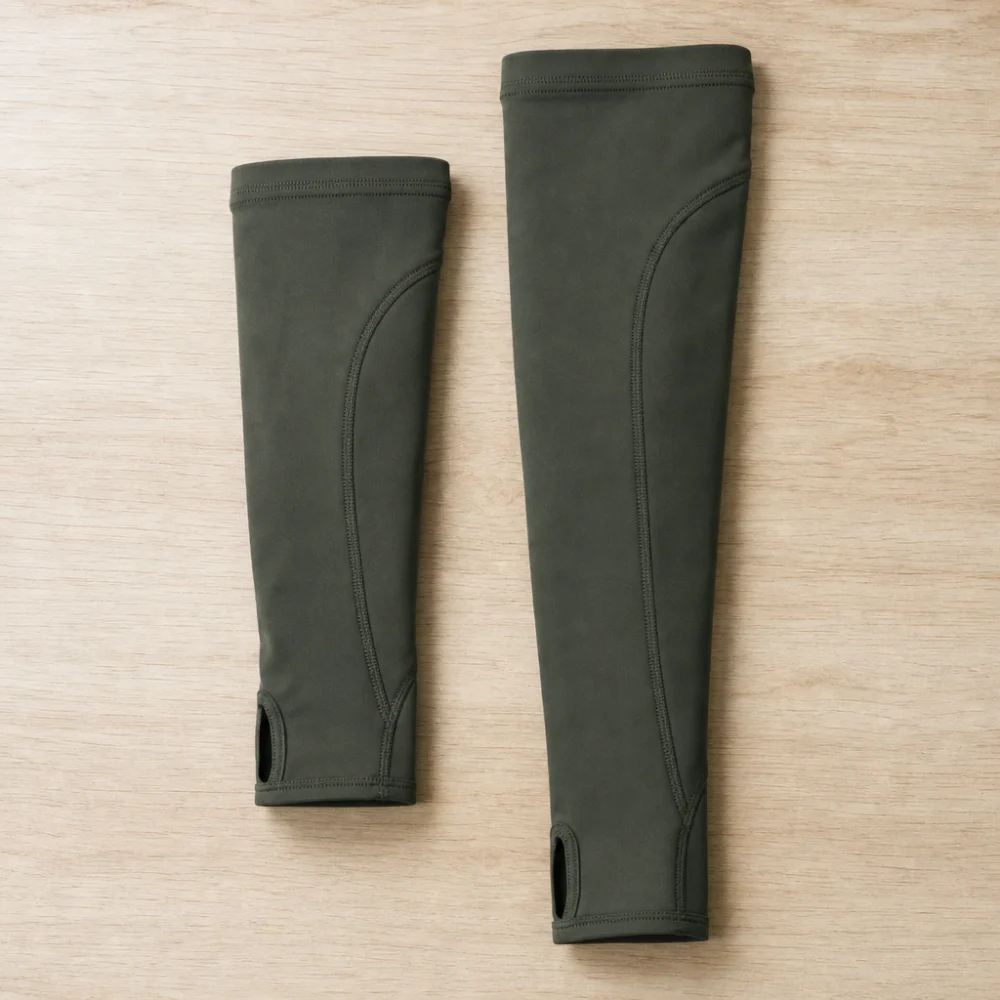
Ignoring how bulky the guard feels. A guard that is too noticeable can become distracting. If you prefer a lighter feel, compare the profile rather than assuming more coverage is always better.
Overlooking fastening convenience. A guard that is awkward to secure may get left off more often. Simple, dependable attachment can be more useful than a complicated design.
Safety and suitability notes
Arm guards are a comfort and suitability choice, not a guarantee of protection. They should be selected with your shooting style, clothing, and draw position in mind. If a product page does not clearly explain fit or coverage, treat that as a reason to compare more carefully rather than assume it will work well for you.
For younger users or anyone with smaller forearms, fit matters even more. Make sure the design appears appropriate for the intended wearer and does not look oversized or hard to secure.
Maintenance, storage, and long-term use
Most arm guards are easy to keep ready for regular use, but the exact care depends on the material and fastening system. Check whether the finish, closure, or lining needs gentle cleaning or dry storage. If a guard is often stuffed into a crowded bag, compare how well the shape is likely to hold up when carried with other gear.
How to compare options efficiently
- Decide how much coverage you actually want for your forearm.
- Compare fit and fastening style first, since those affect comfort the most.
- Check the material and profile to see how noticeable the guard may feel.
- Think about whether you want a simple, quick option or a more adjustable one.
- Read the individual product page carefully before choosing.
Arm guard buyer checklist
- Does the coverage suit your arm position and shooting style?
- Will the fit stay stable without feeling restrictive?
- Is the fastening method easy for you to use?
- Does the profile feel comfortable for repeated practice?
- Will it work with the clothing you usually wear?
- Have you checked the individual product page for any size or material details?
Frequently asked questions
Do all archery arm guards work the same way?
No. They all serve a similar purpose, but they can differ in coverage, fastening, shape, and comfort. Those differences affect how noticeable they feel and how well they stay in place.
How do I know if I need more or less coverage?
Start with where your forearm sits in your shooting stance. If you want more margin, a longer or broader guard may make sense; if you want less bulk, a slimmer guard may be preferable.
Is adjustability important?
Often, yes. An adjustable guard can be easier to fit comfortably and may be more forgiving if you wear different clothing layers. That said, a simpler design can still be a good choice if it fits you well.
Can I buy one arm guard for different users?
Sometimes, but only if the fit range and fastening style make sense for the people who will use it. Shared use is easier when the guard is adjustable and comfortable over different arm sizes or sleeves.
What should I check first on a product page?
Check the fit, coverage, fastening method, and material description first. Those details usually tell you more about real-world comfort than appearance alone.
Is a more expensive-looking guard automatically better?
Not necessarily. For this category, practical fit and comfort matter more than appearance. A simpler guard can be a better match if it suits your arm and shooting style more closely.