

Ear protection is one of the most practical accessories to think about when you are spending time around loud target-sports activity. The right choice depends on how much sound reduction you want, how long you will wear it, and whether you need a low-profile design that plays well with other gear.
This guide keeps the decision focused on fit, comfort, coverage, and intended use. It is meant to help shoppers compare options sensibly without turning every situation into the same recommendation.
Compare Ear Protection


As an Amazon Associate we earn from qualifying purchases.
What should you look for in ear protection?
The best starting point is to match the product to your environment and comfort needs. Some buyers want simple hearing coverage for occasional use, while others care more about all-day wear, compatibility with eye protection or headgear, and how bulky the design feels. The main trade-off is usually between coverage and convenience: more coverage can feel more substantial, while lighter designs may be easier to wear for longer periods.
| Feature | What It Means | Why It Matters | What To Check |
|---|---|---|---|
| Coverage style | The overall form of the ear protection | Helps determine how much of the ear area is covered and how it fits with other gear | Look for the shape and coverage described on the product page |
| Comfort and fit | How the item feels during extended wear | Comfort affects whether you will keep it on consistently | Check fit notes, padding, and whether the design is adjustable |
| Compatibility | How it works with glasses, masks, helmets, hats, or eye protection | Gear conflicts can make a good product inconvenient | Review the product page for compatibility details and placement notes |
| Profile and bulk | How much space the product takes up around the head | A slimmer profile can be easier to combine with other equipment | Compare dimensions or descriptive wording if provided |
| Intended use | Where and how the item is meant to be worn | Helps you avoid buying a style that does not suit your activity | Confirm the intended use and any stated limitations |
Key decision criteria
Coverage and intended use
Start with the level of coverage you want and the setting you expect to use it in. Some buyers want a simple, compact solution, while others prefer a more substantial design for repeated use. The important question is not whether the product looks robust, but whether it suits the way you actually wear your gear.
Fit and comfort
Comfort matters more than many buyers expect, especially if the item will be worn for longer sessions. A product that is theoretically suitable but annoying to wear often ends up unused. Look for adjustability, padding, and any notes about how the item sits with different head sizes or eyewear.
Profile with other equipment
Ear protection often has to work alongside glasses, masks, hats, or helmets. A compact design may make layering easier, while a fuller design may provide a different feel and coverage. If you already use other protective gear, check whether the product description explains how it fits together with those items.
Noise reduction claims
Buyers often focus on protection first, but the exact level of sound reduction is not always described the same way across products. If a listing includes a performance claim, read it carefully and make sure you understand what it applies to. Specifications vary by model, so always check the individual product page before buying.
Types and variants you may see
Within this category, the main differences are usually about form and wear style rather than a large number of separate product families. Some options are more compact and minimal, while others provide more wraparound coverage or a firmer feel. The best fit depends on whether you want easier pairing with other gear or a more substantial wearing experience.
If you are comparing two products that seem similar, look for differences in how they sit on the head, how much adjustment they allow, and whether the design is meant for occasional or repeated use.
Which choice suits different buyers?
| Buyer need | What to prioritize | Why it helps |
|---|---|---|
| Beginner buyer | Simple fit, clear product description, easy wear | Makes the first purchase easier to understand and less likely to be frustrating |
| Frequent user | Comfort, adjustability, low bulk | Repeated wear is easier when the product stays comfortable and works with other gear |
| Gear-conscious shopper | Compatibility with eyewear and other head-worn items | Reduces overlap and fit conflicts |
| Gift buyer | Flexible fit and broadly useful design | Helps avoid choosing something too specialized |
Common mistakes and misunderstandings
- Choosing only by appearance: A sleek shape is not enough if the fit is awkward with the rest of your gear.
- Ignoring compatibility: Products can look similar but behave very differently when paired with glasses or helmets.
- Assuming every style feels the same: Small changes in profile, padding, and adjustment can make a noticeable difference in comfort.
- Overlooking intended use: A product meant for one setting may not be the most practical choice for another.
Safety and suitability caveats
Ear protection should be chosen with the activity and environment in mind, but no product page can replace your own judgment about whether a design suits your setup. Check the product description for limitations, fit notes, and any stated compatibility details before buying. If you need a specific level of protection, make sure the individual listing clearly supports that need.
Maintenance and storage
General care is usually simple, but it still affects how long the product stays comfortable and usable. Keep it clean according to the material and design, store it so it is not crushed or bent, and watch for wear in padding or adjustment points if those parts are present. If the product uses replaceable parts or has a foldable structure, check the listing for any care notes that matter to you.
How to compare options efficiently
- Decide where and how often you plan to use the ear protection.
- Choose the style that fits your gear and comfort needs.
- Compare coverage, profile, and adjustability.
- Check compatibility notes with eyewear or other head-worn equipment.
- Read the individual product page for any model-specific details before you decide.
Summary buyer decision checklist
- Does the style match your intended use?
- Will it work comfortably with your other gear?
- Is the fit likely to suit your head size and wearing time?
- Does the product page explain any important limitations?
- Have you compared the trade-off between coverage and bulk?
Frequently asked questions
How do I choose ear protection if I wear glasses?
Look for a design that leaves enough room for both items to sit comfortably together. The key is not just whether both can be worn, but whether they remain comfortable over time. Product pages that mention compatibility can be especially helpful.
Is a slimmer design always better?
Not necessarily. A slimmer product can be easier to combine with other gear, but some buyers prefer a fuller feel or more coverage. The better choice depends on how you plan to use it and how much bulk you are willing to carry.
What matters most for a first-time buyer?
Start with fit and comfort, then check whether the product works with the rest of your equipment. A straightforward design with clear description is usually easier to choose than one with extra features you may not need.
Can the same ear protection work for different activities?
Sometimes, but it depends on the intended use and how the product is described. Some buyers want one item for multiple situations, while others need something more specific. The product page should make that easier to judge.
How important is adjustability?
Adjustability can make a noticeable difference in comfort and consistency. It helps the product sit better across different head sizes or over other gear, which is useful if more than one person may use it.
What should I compare if two options seem very similar?
Focus on fit notes, coverage style, profile, and compatibility information. Those details often make more difference in day-to-day use than a generic product title does.
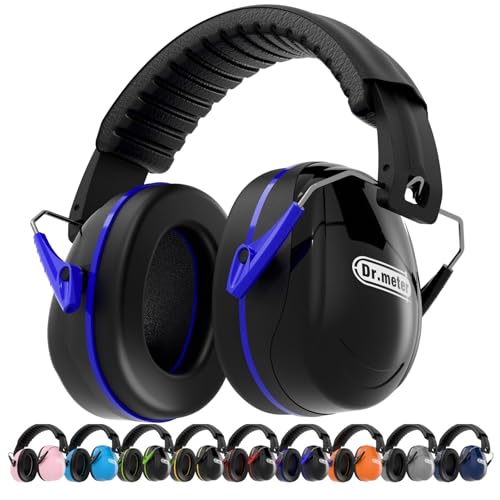
Earplugs, earmuffs, and electronic styles
Earplugs sit in the ear, while earmuffs cover the ears with cups and a seal around them. Plugs can have a low profile; earmuffs are easier to remove and put back on, but their fit may be affected by eyewear, headwear, or other equipment. Neither style is automatically the better choice: comfort, fit, intended use, and the product’s stated protection information all matter.
Some hearing protectors include electronic features. Check what those features actually do, whether the product requires power, and whether its stated protection information applies when electronics are in use. Do not assume that Bluetooth, audio, or noise-cancelling features make a product suitable hearing protection.
How to read attenuation information
If a product lists a noise-reduction rating or another attenuation measure, use it as information about that specific product—not as a guarantee of the reduction you will experience. Real-world protection depends in part on fit and how well the protector seals or sits as intended. Avoid comparing ratings as though they directly predict the sound level at your ear or guarantee suitability for a particular environment.
For loud target-sports environments, choose protection whose stated intended use matches the setting. If you need a particular level of protection or are unsure whether a product is suitable, consult the product’s instructions or qualified hearing-safety guidance. Do not assume that combining products makes their ratings add together.
More questions about ear protection
Are earplugs or earmuffs better for target sports?
Neither style is best for everyone. Consider which one you can fit comfortably and consistently, how it works with your other gear, and whether its stated protection information suits your intended use.
Does a higher noise-reduction rating guarantee better protection for me?
No rating guarantees the protection you will experience in use. Fit and the product’s intended application matter, so read the rating information and model-specific instructions rather than choosing by a number alone.
Can electronic or Bluetooth hearing protection replace passive protection?
Not based on the feature name alone. Check the product’s stated protection information and instructions, including what applies when electronic features are being used.
More Ear Protection
See all 150 Ear Protection →



As an Amazon Associate we earn from qualifying purchases.