

Bike grips and bar tape shape how your hands feel on the bike every time you ride. The right choice can improve comfort, reduce hand fatigue, and make your controls feel more secure, but the best option depends on your handlebars, riding position, and personal preference.
This guide focuses on the practical differences buyers usually need to sort out: grip style, thickness, texture, cushioning, and how much maintenance you want to handle. It is meant to help with replacement, comfort upgrades, and first-time setup decisions without assuming every rider needs the same feel.
Because grips and bar tape are part comfort and part control, the main question is not just what looks good. It is whether the material, shape, and wrap style suit your hands, your terrain, and the way you ride.
Compare Bike Grips & Bar Tape


As an Amazon Associate we earn from qualifying purchases.
What should you choose: bike grips or bar tape?
Start by matching the product to your handlebar style. Flat bars, riser bars, and many city or mountain setups usually use grips, while drop bars usually use bar tape. From there, the next decision is comfort versus direct feel: thicker and softer options can reduce vibration, while thinner or firmer options often give a more connected grip on the bars. Specifications vary by model, so always check the individual product page before buying.
| Feature | What It Means | Why It Matters | What To Check |
|---|---|---|---|
| Handlebar type | Whether the bike uses flat-style grips or wrapped drop bars | Determines which product style fits the bike | Bar shape and the intended installation method |
| Cushioning | How much softness or vibration damping the product adds | Affects comfort on longer rides and rough surfaces | Material, thickness, and overall feel |
| Texture | How grippy or smooth the surface feels in the hand | Influences control in dry, wet, or sweaty conditions | Surface pattern and intended riding use |
| Diameter or wrap thickness | The amount of material between your hand and the bar | Changes bar feel and hand position | Grip thickness, tape thickness, and how much padding is added |
| Installation style | How the product attaches to the handlebar | Matters for ease of setup and future replacement | Lock-on system, slip-on fit, adhesive backing, or tape finish |
| Weather resistance | How the surface and adhesive respond to moisture and wear | Affects durability and consistency over time | Material description and care guidance |
Key decision criteria
Comfort and hand fatigue
Comfort is usually the first reason people replace grips or bar tape. Softer, thicker, or more padded options can help absorb road buzz or trail chatter, but they can also make the bars feel less precise. If your hands get sore on longer rides, look for a product that adds comfort without making the bar feel oversized.
Control and bar feel
Some riders prefer a direct, firm connection to the bars. That can help with confident steering and a more exact feel for the bike, especially when handling matters more than cushioning. The trade-off is that firmer materials may transmit more vibration into the hands.
Texture and grip in changing conditions
Texture affects whether your hands stay planted when conditions change. A more aggressive surface may feel secure, while a smoother finish can feel cleaner or more refined. Think about whether you ride mostly in dry weather, sweaty summer conditions, or mixed conditions where a consistent hold matters more than appearance.
Thickness and hand size
Thickness changes how large the bar feels in your hands. Riders who want extra cushioning may prefer more thickness, while riders with smaller hands or those who want a more precise hold may prefer less. The right choice often comes down to balancing comfort against how much bar diameter you want to add.
Installation and replacement ease
Some products are simpler to install and replace than others. Grips may rely on a clamp or a slip fit, while bar tape requires careful wrapping and finishing. If you expect to change parts often or want a cleaner DIY job, the installation style is worth checking before you buy.
Common product types and variants
Bike grips
Bike grips are the usual choice for flat bars and similar setups. They are often selected for everyday control, comfort, and easy replacement. Their main limitation is that they are not the normal solution for drop-bar bikes.
Bar tape
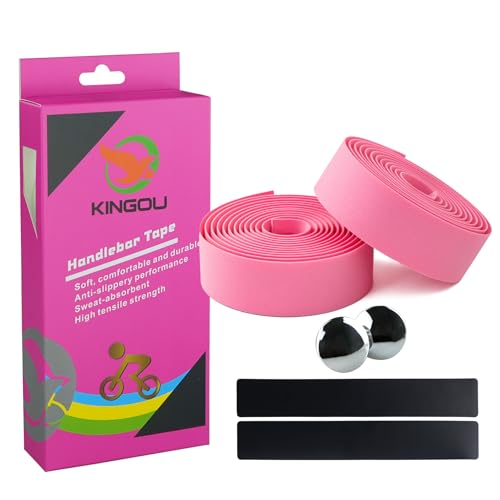
Bar tape is wrapped around drop bars to create a comfortable hand contact surface and finish the cockpit neatly. It is popular on road and gravel-style setups where riders use several hand positions. The main limitation is that wrap quality and thickness can change the final feel quite a bit.
Lock-on and slip-on style grips
Within grips, some styles prioritize easy installation and a secure mount, while others focus on a simpler, softer feel. The difference usually comes down to how the grip attaches and how it feels in use. If you switch grips often or ride rough terrain, the attachment style deserves attention.
Padded and minimal-feel options
Some options emphasize cushioning, while others stay slimmer for a more direct bar feel. Neither is universally better. The right choice depends on whether your priority is longer-ride comfort or maximum feedback from the bike.

Which choice fits your riding needs?
| Buyer need | What to lean toward | Why |
|---|---|---|
| Commute or casual use | Comfortable, durable, easy-to-clean options | Frequent starts and stops make comfort and low fuss important |
| Long rides | More cushioning or added vibration damping | Reduced hand strain can matter more over time |
| Performance-focused riding | Firmer, more precise-feeling options | Direct bar feedback can matter more than softness |
| Wet or sweaty conditions | More secure texture and reliable finish | Grip consistency becomes more important when conditions change |
| Frequent bike setup changes | Simple installation and replacement | Easy maintenance saves time and reduces setup hassle |
Common mistakes and misunderstandings
- Choosing by appearance alone: a color or pattern can be appealing, but fit, texture, and thickness affect the ride much more.
- Assuming more padding is always better: extra cushioning can help comfort, but it can also reduce the direct feel some riders want.
- Ignoring handlebar compatibility: grips and bar tape are not interchangeable across all bike setups, so start with the bar style.
- Overlooking installation: a product that looks simple can still be time-consuming to fit neatly, especially with tape.
- Forgetting hand size and preference: a comfortable setup for one rider may feel bulky or too thin for another.
Safety and suitability notes
These products are about comfort and control, so it is still worth checking that the fit is secure and appropriate for the bike. Make sure the product matches the handlebar style and does not interfere with braking or shifting controls. If a product description mentions special installation steps or compatibility requirements, read them closely before buying.
Maintenance, storage, and lifespan considerations
Grips and bar tape gradually wear from hand contact, weather exposure, and cleaning. Some materials are easier to wipe down than others, and some finishes show dirt or wear sooner. If you ride often or in wet conditions, it can help to choose something that is easy to clean and simple to replace when it no longer feels secure.
Storage also matters a little: bikes kept outdoors or in damp conditions may put more stress on these touchpoints. That does not mean every product behaves the same way, but it does make material choice and routine inspection more important over time.
How to compare options efficiently
- Identify your handlebar style first: grips for flat-style bars, bar tape for drop bars.
- Decide whether comfort or direct bar feel matters more to you.
- Compare texture, thickness, and attachment style.
- Think about your usual conditions, including wet weather, sweat, or long rides.
- Check the individual product page for installation details and any fit notes before buying.
Buyer decision checklist
- Does this match my handlebar style?
- Do I want more cushioning or a firmer feel?
- Will the texture suit my usual riding conditions?
- Is the thickness likely to feel right in my hands?
- Is installation something I am comfortable handling?
- Will it be easy to clean and maintain?
- Have I checked the individual product page for fit details?
Frequently asked questions
How do I know whether I need grips or bar tape?
Use the handlebar style as the first clue. Flat bars and many upright setups usually use grips, while drop bars usually use bar tape. If you are replacing worn parts, matching the original style is often the simplest place to start.
Is thicker always more comfortable?
Not always. Thicker products can reduce vibration and add cushioning, but they may also make the bars feel bulkier or less precise. Comfort depends on both the material and how the thickness feels in your hands.
What matters more: texture or padding?
It depends on how you ride. Texture helps with hand security, while padding helps with comfort over longer periods. Many buyers need a balance of both rather than maximizing one at the expense of the other.
Are easier-to-install options worth considering?
Yes, especially if you expect to replace them yourself. A product that installs more cleanly can save time and reduce frustration. That said, fit and feel should still come first.
How often should I replace grips or bar tape?
There is no single schedule that fits every bike. Replace them when they feel slippery, compressed, torn, or no longer comfortable. Riding frequency, weather exposure, and material choice all affect how quickly they wear.
Can I use the same choice for commuting and longer rides?
Sometimes, but the trade-off is worth thinking about. A versatile option may work well if you want one setup for mixed use, but dedicated comfort or performance options can feel better if one type of ride is much more important to you.
Fit checks beyond handlebar style
For grips, check the product’s listed fit and length against the handlebar and the space available beside the brake and shift controls. Grip shape and end design can also affect whether the setup works with bar ends or other handlebar accessories, so verify those details if they apply to your bike.
For bar tape, consider the shape of the drop bars and how much coverage you want across the areas where your hands rest. Added thickness can change how the bars feel around bends and beneath the brake hoods. Check the product information for fit guidance and any stated installation requirements rather than assuming every tape suits every handlebar setup.
Ergonomic contours or wider support areas may feel comfortable to some riders, but hand shape and preferred position vary. Treat those features as preferences to compare, not a guarantee of comfort; when possible, consider how the shape will feel in the hand positions you use most.
More Bike Grips & Bar Tape
See all 143 Bike Grips & Bar Tape →


As an Amazon Associate we earn from qualifying purchases.