

Folding bikes are a practical choice for riders who need a bicycle that is easier to store, carry, or combine with other transportation. They can make sense for apartment living, mixed-mode commuting, travel, or anyone who wants a bike that takes up less space at home or work.
The main buying challenge is balance: a more compact bike may be easier to manage, while a larger or more robust design may feel more stable and comfortable to ride. This guide focuses on the features that help you decide whether a folding bike fits your routine.
Specifications vary by model, so always check the individual product page before buying.
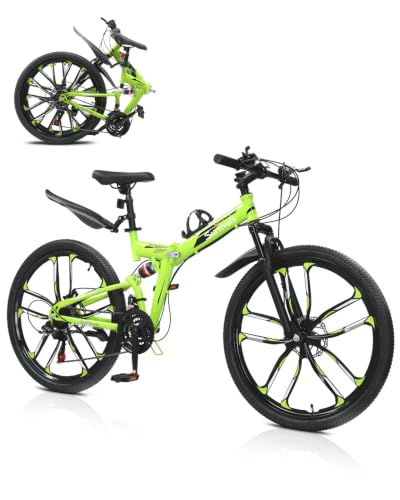
Compare Folding Bikes



As an Amazon Associate we earn from qualifying purchases.
What should you look for in a folding bike?
Start with how you plan to use it. The best choice is usually the one that matches your storage space, carrying needs, and typical ride length rather than the one with the smallest folded size. Comfort, folding ease, and overall fit often matter more day to day than any single headline feature.
| Feature | What It Means | Why It Matters | What To Check |
|---|---|---|---|
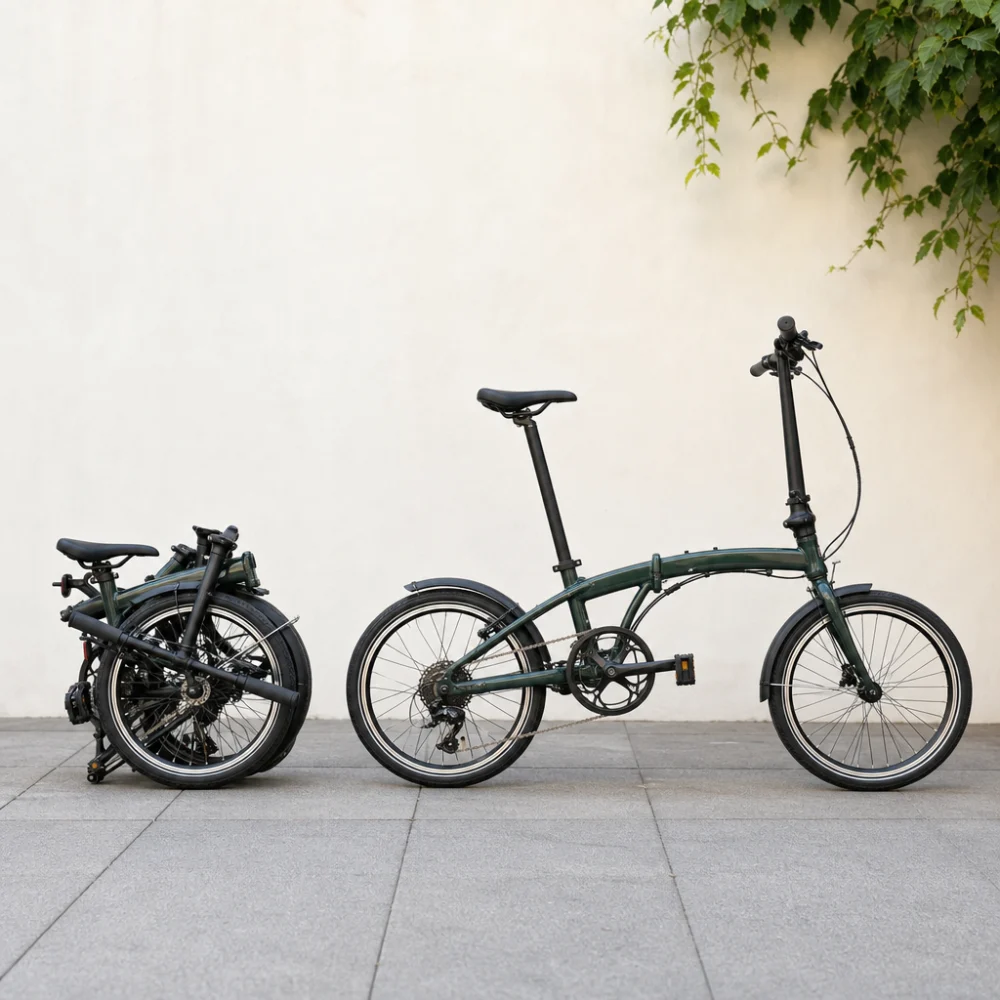
| Folded size | How compact the bike becomes when folded | Affects storage in apartments, cars, offices, and transit settings | Whether the folded shape fits the places you plan to keep or carry it |
| Folding mechanism | The way the bike folds and locks into place | Influences convenience and how quickly the bike can be packed away | Whether the process looks manageable for your routine |
| Weight and portability | How easy the bike is to lift, roll, or carry | Important if you need to take it up stairs or onto transit | Whether you can comfortably handle the bike in its folded form |
| Ride comfort | How the bike feels over your usual distance and road surface | Comfort can vary a lot between compact bikes and more full-sized-feeling designs | Frame fit, riding position, and any comfort-focused features shown on the product page |
| Stability and handling | How steady the bike feels while riding | Helps determine confidence in traffic, turns, and longer rides | Wheel size, geometry, and overall intended use if listed |
| Storage and transport use | How well the bike fits a commuting or travel routine | Useful if you are combining biking with a train, bus, car, or small living space | Fold dimensions, carry points, and any included transport features if provided |
Key decision criteria
How easy is it to fold and unfold?
Some bikes are designed for quick, frequent folding, while others may fold down more compactly but take a little more effort. If you expect to fold the bike every day, convenience matters as much as size. If it will mostly stay folded for storage, a slightly slower process may be less important.
What kind of riding do you plan to do?
A folding bike for short city trips may feel different from one used for longer commutes or recreational rides. A more compact design can be very handy in tight spaces, but comfort and stability may become more important as ride distance increases. Think about your normal route, not just the bike’s folded footprint.
How important is portability?
Portability includes more than folded dimensions. If you need to carry the bike upstairs, through stations, or into an office, weight and how the bike is balanced when folded can matter a lot. A bike that is compact on paper may still be awkward to carry in practice.
What level of comfort do you want?
Comfort depends on frame design, riding position, and how the bike fits your body. Some buyers prioritize a very compact package, while others prefer a bike that feels closer to a conventional bicycle. If comfort is a priority, check the geometry and seating position details on the product page rather than assuming all folding bikes ride alike.
Common folding bike types and variants
Folding bikes are often compared by how compact they fold, how they ride, and how they are intended to be used.
- Ultra-compact styles focus on easiest storage and transport, which can suit tight spaces and frequent folding.
- More ride-oriented styles may feel steadier or more comfortable for longer trips, though they may be less compact when folded.
- Commuter-oriented styles aim to balance daily practicality with manageable carrying and storage.
Those differences are not absolute categories, but they help frame the trade-offs you are likely to see. Specifications vary by model, so always check the individual product page before buying.
Who might each option suit?
| Buyer need | What to prioritize | Why that matters |
|---|---|---|
| Small-home or apartment storage | Folded size and ease of storing indoors | Space savings is often the main reason to choose a folding bike |
| Train, bus, or mixed commuting | Portability and quick folding | It helps if the bike is easy to manage around other travel steps |
| Car transport or weekend use | Folded shape and manageable weight | Loading and unloading can matter more than maximum compactness |
| Longer rides or frequent riding | Comfort and stable handling | A more ride-friendly setup may be worth a little extra bulk |
| Occasional riders | Simplicity and storage convenience | Easy ownership matters if the bike is used less often |
Common mistakes to avoid
- Choosing only by folded size. A very small folded package is useful, but it is not the only thing that affects daily satisfaction.
- Ignoring carry weight. A bike that folds neatly may still be inconvenient if you need to lift it often.
- Assuming all folding bikes ride the same. Riding feel can vary widely, especially for comfort and stability.
- Overlooking your storage space. Check the folded shape, not just the idea of it being “compact.”
- Forgetting your routine. Daily commuters often need different priorities than occasional riders or travelers.
Safety and suitability caveats
Folding bikes are meant for convenient personal transport, but they are not equally suited to every rider or every route. Before buying, check whether the bike’s intended use, rider fit, and carrying needs match your situation. If you expect to ride in traffic, on rough surfaces, or for longer distances, comfort and handling deserve extra attention.
Maintenance, storage, and ownership considerations
Like other bicycles, folding bikes benefit from regular cleaning, basic inspection, and sensible storage. The folding mechanism itself is an important ownership detail because it is part of what you will use most often. It is also worth checking whether the bike will be stored indoors, in a vehicle, or in a shared space, since that affects how much convenience the design really delivers.
How to compare folding bikes efficiently
- Decide where the bike will be used most often.
- Choose the level of compactness you actually need.
- Compare portability, comfort, and folding convenience side by side.
- Look for trade-offs between easier carrying and better ride feel.
- Check the individual product page for the details that matter to your routine.
Summary buyer decision checklist
- Will the folded bike fit your storage space?
- Can you comfortably carry or lift it when folded?
- Does the folding process suit how often you will use it?
- Is the riding position appropriate for your usual distance?
- Does the bike seem better suited to commuting, travel, or casual use?
- Have you checked the product page for the exact details you need?
Frequently asked questions
Are folding bikes mainly for commuters?
Commuting is a common use, but it is not the only one. Many buyers choose folding bikes because they live in smaller spaces, travel with a bike, or want a bicycle that is easier to store.
Do folding bikes ride like regular bikes?
Some feel quite close to a conventional bike, while others are more focused on compact storage and portability. The ride feel depends on the design, so it is better to compare the intended use and geometry rather than assume all folding bikes behave the same.
Is a smaller folded bike always better?
Not necessarily. A smaller folded package can help with storage and transport, but it may come with trade-offs in comfort, stability, or ease of handling. The best choice depends on how often you will ride versus how often you will carry or store it.
What matters most if I plan to carry the bike often?
Weight, folded shape, and how easy the bike is to hold matter most. A bike that folds neatly but feels awkward to carry may not be the right fit for stairs, transit, or daily lifting.
Should I focus on folding speed or folded compactness?
If you will fold the bike frequently, speed and simplicity may matter more. If the bike will stay folded for storage much of the time, compactness may matter more than fold speed.
How do I know if a folding bike is comfortable enough?
Look at the riding position, intended use, and any geometry or fit details provided on the product page. Comfort is personal, so it helps to think about your usual ride length and the surfaces you ride on.
What should I check before ordering?
Check folded size, weight, intended use, and any fit or handling information available. Specifications vary by model, so always check the individual product page before buying.
Fit, wheel size, and gearing
Check the stated rider-height range and adjustment options, then consider whether the riding position will feel comfortable for your usual trips. A folding frame can differ from a conventional bike in how its saddle and handlebars adjust, so do not assume that a familiar frame size will fit in the same way.
Wheel size can affect the folded package and contribute to ride feel, but it does not determine comfort or handling on its own; frame design and fit matter too. Gearing is worth comparing if your route includes hills or you expect to vary your pace. Use the product details to confirm fit and gearing suit your needs rather than choosing by a single feature.
More Folding Bikes
See all 56 Folding Bikes →


As an Amazon Associate we earn from qualifying purchases.