

Pack rain covers are a simple accessory for protecting a backpack or daypack when the weather turns wet. They are usually chosen by hikers, commuters, travelers, and anyone who wants an extra layer of protection against rain, spray, or muddy conditions.
The main buying challenge is not whether a cover is useful, but whether it will fit your pack well and match how you actually use it. Some shoppers want compact backup protection for occasional showers, while others need more dependable coverage for regular outdoor use.
Because fit and design vary by model, it helps to compare the shape of your pack, how much coverage you want, and how the cover secures in wind or movement. Specifications vary by model, so always check the individual product page before buying.
Compare Pack Rain Covers


As an Amazon Associate we earn from qualifying purchases.
What should you look for in a pack rain cover?
The best starting point is fit. A rain cover should match the general size and shape of the pack it is meant to protect, with enough coverage to stay in place without being so loose that wind can lift it. From there, compare how the cover attaches, how much of the pack it encloses, and how easy it is to put on when conditions change quickly.
Think of a rain cover as one part of a broader moisture-management plan. It can help shield the outside of a pack, but it does not replace careful packing of sensitive items inside. If your gear must stay dry no matter what, you may also want to compare internal liners or dry bags.
Quick comparison framework
| Feature | What It Means | Why It Matters | What To Check |
|---|---|---|---|
| Fit | The cover’s intended pack size and shape range | A poor fit can leave gaps or slip out of place | Match the cover to your pack style and size range |
| Coverage | How much of the pack the cover encloses | More coverage can help in heavier rain or splash | Look at whether the cover protects only the body or also the lower edges and sides |
| Attachment | How the cover stays secured on the pack | Security matters when you are walking, biking, or in wind | Check for elasticized edges, straps, or other retention details described on the product page |
| Packability | How small and easy the cover is to carry when not in use | A bulky cover is less likely to be kept on hand | Consider whether it fits your preferred carry setup or pocket space |
| Visibility | How easy the pack is to notice in low light or bad weather | Visibility can matter on roads, trails, or crowded routes | Review the available color options and any reflective details if listed |
| Use case | Occasional backup versus frequent outdoor exposure | Your use pattern affects how much durability and coverage you may want | Compare the intended use with your usual weather and activity |
Key decision criteria explained
Fit and pack shape
Fit is the most important factor because rain covers are meant to wrap a specific volume or style of pack. A cover that is too small may not close properly, while one that is too large may shift or expose parts of the bag. If your backpack has an unusual shape, external pockets, or a tall top profile, check how the cover is described before assuming it will sit neatly.
Coverage level
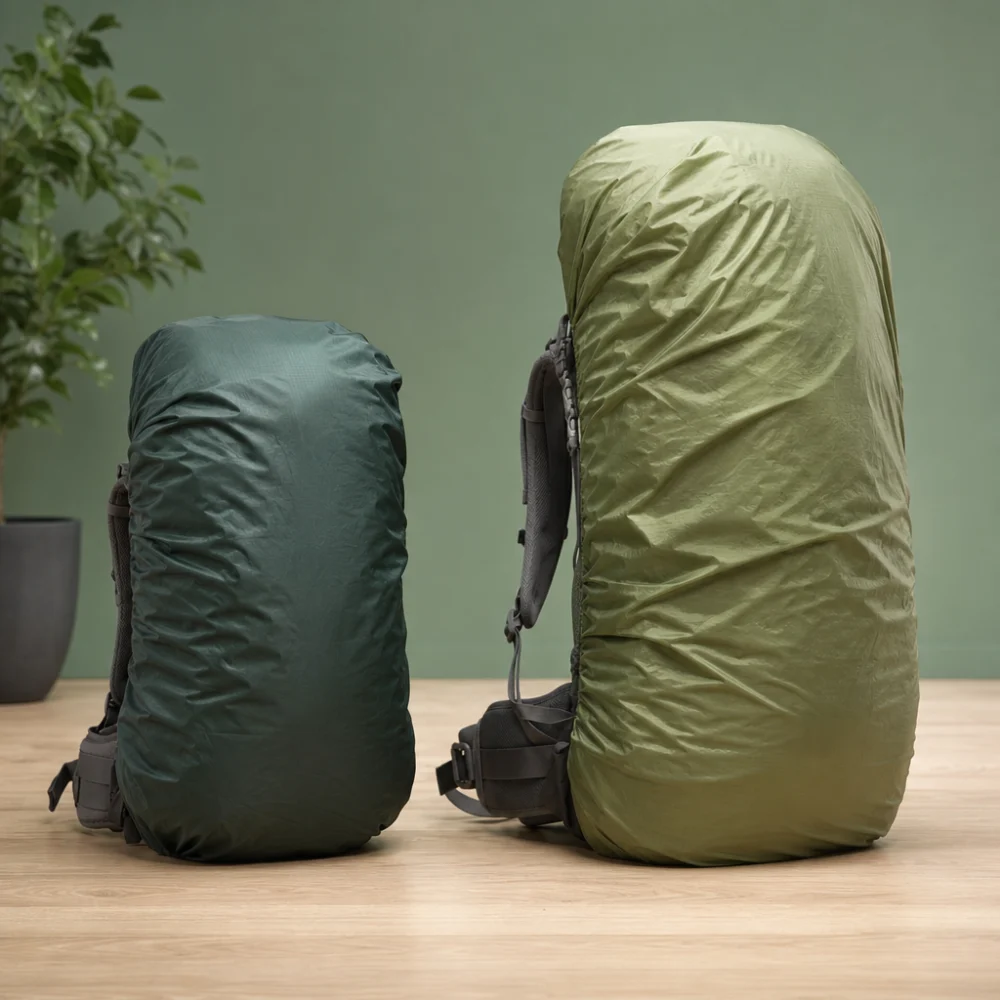
Some covers focus on the main body of the pack, while others are designed to drape farther down the sides. More coverage can be useful if you expect steady rain or wet brush, but a larger cover may be a little less compact to carry. The practical question is whether you want basic rain shielding for short exposure or a more complete outer layer for longer trips.
Security in motion
A rain cover that stays put is more useful than one that needs constant adjustment. If you hike, bike, or move through wind, pay attention to how the cover is described as attaching to the pack. For many buyers, simple retention is enough; for others, especially on active outings, a more secure hold may be worth prioritizing.
Convenience and storage
Most buyers want a cover they can keep in a pack and pull out without much effort. That makes folded size, ease of deployment, and how the cover stows after use important practical details. If a cover is awkward to carry, it may be left at home when it is most needed.
Visibility and color
Color is partly a preference choice, but it can also help with visibility in bad weather or low light. Bright colors may be easier to notice on crowded trails, roads, or campsites, while darker colors may blend in more. If visibility matters to your use case, check whether the product page mentions reflective details or high-visibility options.
Common types and variants
Pack rain covers are usually compared by size coverage, pack style, and how they attach rather than by dramatic product-category differences. The main variants shoppers tend to consider are:
- General-purpose pack covers: A straightforward option for everyday or occasional weather protection.
- Higher-coverage designs: Useful when you want more of the pack enclosed in wet conditions.
- Compact backup covers: Chosen when small packed size matters most and the cover may be used only when needed.
If you are deciding between a cover and another pack-accessory approach, remember that a rain cover protects the outside of the pack, while a liner helps protect items inside it. Those are different solutions, and some buyers use both for added caution.
Which option fits different buyer needs?
| Buyer need | What to prioritize | Why it helps |
|---|---|---|
| Occasional rain protection for commuting or errands | Easy storage and quick deployment | You are more likely to carry and use it when showers are unpredictable |
| Hiking or trail use | Secure fit and dependable coverage | Movement and wind can make attachment quality more important |
| Travel or backup packing | Compact size and simple stowage | A cover that takes little space is easier to keep with your gear |
| Frequent wet-weather use | Coverage, fit, and attachment details | Repeated exposure makes basic design choices more noticeable |
| High-visibility needs | Color and any reflective details | It can make a pack easier to spot in poor light or crowded areas |
Common mistakes and misunderstandings
- Buying by pack size only: Capacity matters, but shape and external features matter too. A well-sized cover still needs to sit properly on the actual pack you use.
- Assuming a cover replaces internal waterproofing: A rain cover helps with outside exposure, but sensitive items may still need internal protection.
- Choosing the smallest possible option: Compact is good, but a cover that is too tight may be difficult to fit and may not stay in place well.
- Ignoring how you move: A cover that works for a stationary commute may not be as suitable for hiking, biking, or windy conditions.
Safety and suitability caveats
Pack rain covers are a weather accessory, not a guarantee against soaking. Heavy rain, wind-driven rain, sharp brush, or prolonged exposure can still challenge any cover, so it is wise to think about the conditions you expect most often. If you carry electronics, documents, or other sensitive items, check whether the cover is enough on its own or whether you should also use internal protection.
Specifications vary by model, so always check the individual product page before buying.
Maintenance, storage and lifespan considerations
Basic care is usually simple: let the cover dry before storing it, keep it free of grit or mud, and avoid stuffing it away wet for long periods. If a cover is frequently used in dirty or muddy conditions, that can affect how it looks and feels over time. When you compare options, it can be helpful to think about how easy the cover will be to rinse off, dry, and pack again after use.
How to compare options efficiently
- Decide how often you expect to use the cover and in what weather.
- Check that the cover is suited to your pack’s shape and size range.
- Compare coverage, attachment, and packed size.
- Think about whether visibility or a compact backup design matters more.
- Read the product page carefully for any model-specific notes before you choose.
Summary buyer decision checklist
- Does the cover match the size and shape of your pack?
- Is the coverage level enough for your usual conditions?
- Will the attachment feel secure during your activity?
- Is it compact enough that you will actually carry it?
- Do you need high visibility or a darker, lower-profile look?
- Will you also want internal protection for sensitive items?
Frequently asked questions
Do pack rain covers work for every backpack?
No single cover fits every pack equally well. Shape, external pockets, and overall height can all affect how well it sits. The safest approach is to compare the cover’s stated size range with the pack you plan to use.
Is a rain cover better than a pack liner?
They solve different problems. A rain cover protects the outside of the pack, while a liner helps protect the contents inside. Many buyers choose based on whether they want outer protection, inner protection, or both.
Can I use a pack rain cover on a daypack?
Often, yes, if the cover is sized appropriately for that pack. Daypacks are common use cases for rain covers because they are easy to carry and quick to deploy. Always compare the cover’s fit range with your actual bag.
What matters more: coverage or compact size?
It depends on how you use the pack. If you want something to keep with you all the time, compact size may matter most. If you expect longer or wetter outings, coverage and secure fit may be more useful.
Do brighter colors matter?
They can, especially if you want the pack to be easier to spot in low light or crowded spaces. Color is also a style choice, so the practical value depends on where and how you use the pack. If visibility is important, compare the available color options on the product page.
How do I know if a cover will stay on in wind?
Look for retention details and a shape that matches your pack well. A good fit is usually the first step toward better stability. If you expect frequent wind or movement, prioritize secure attachment over the smallest possible packed size.
More Pack Rain Covers
See all 105 Pack Rain Covers →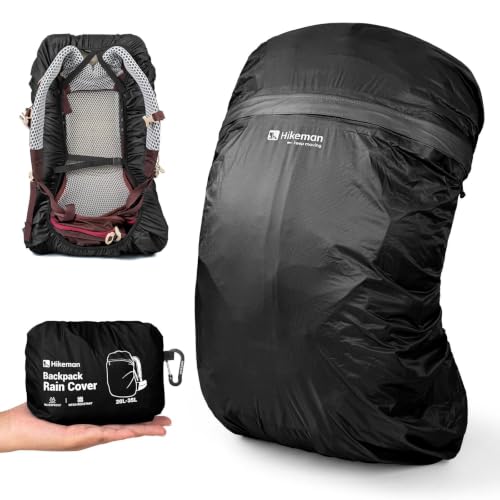


As an Amazon Associate we earn from qualifying purchases.