

Pack organizers are for buyers who want a more orderly backpack, daypack, or travel pack. They can help separate clothing, small essentials, electronics, toiletries, food, or repair items so you spend less time digging through one large compartment.
Because pack organizers are meant to fit different bags and different packing habits, the right choice depends on what you carry and how you like to access it. Some shoppers want simple separation, while others want easier visibility, faster packing, or better compression of soft items.
This guide focuses on the buying decision itself: which organizer style suits your pack, what features actually matter, and which details are easy to overlook.
Compare Pack Organizers


As an Amazon Associate we earn from qualifying purchases.
What should you look for in a pack organizer?
The best starting point is to match the organizer to the way you use your pack. Think first about what you want to separate, then about how much structure, visibility, and access you need. The main trade-off is usually between organization and added bulk, so choose the simplest design that solves your real packing problem.
| Feature | What It Means | Why It Matters | What To Check |
|---|---|---|---|
| Organizer style | The overall form, such as a pouch, cube, divider, or pouch set | Different shapes suit different gear and packing habits | Whether it fits the kind of items you want to separate |
| Size and fit | How much space the organizer uses inside your pack | A poorly sized organizer can waste space or make packing awkward | Interior dimensions, shape, and whether it suits your bag layout |
| Access method | How you open and reach the contents | Quick access matters for frequently used items | Opening style, visibility, and how easily items can be reached |
| Structure | How rigid or soft the organizer feels | More structure can protect shape, while softer designs may compress better | Whether you want a firm layout or a more flexible insert |
| Weight and bulk | How much extra space and carry weight the organizer adds | Extra organization should not make the pack harder to carry or pack | Whether the organizer seems light enough for your intended use |
| Closure and separation | Zippers, flaps, dividers, or compartments that keep items contained | Better separation can prevent small items from shifting around | Number of compartments and how securely they close |
Key decision criteria
What are you trying to organize?
Start with the items themselves. Clothing, cables, toiletries, food, repair kits, and personal items all benefit from different layouts. A buyer who wants faster access to small essentials may prefer a different organizer than someone trying to keep soft items compressed and separated. The more specific your packing pattern, the easier it is to avoid overbuying.
How much internal space can you spare?
Pack organizers always use some amount of room. That can be helpful if it creates order, but it can also reduce the flexible space you have for larger items. Consider whether your pack is usually full, partially full, or used for variable loads, and check how much room the organizer itself will take once filled.
Do you want visibility or concealment?
Some buyers want to see contents at a glance, while others prefer items tucked away and less exposed. Clear visibility can speed up packing and retrieval, but it may not suit every privacy or weather concern. Opaque or compartmentalized designs can feel tidier, but they may take a little longer to use.
How much structure do you need?
Structured organizers help hold shape and keep contents from shifting, which can be useful for fragile or frequently accessed items. Softer organizers may compress more easily and fit irregular spaces better. If you change what you carry often, a flexible design may be easier to live with than a rigid one.
What kind of access works best?
Top-opening, zippered, clamshell, and divided layouts each serve different packing habits. If you unpack often, faster access can matter more than maximum containment. If the organizer is meant to stay packed most of the time, easier closure and tidy separation may matter more than open access.
Specifications vary by model, so always check the individual product page before buying.
Common pack organizer types
Pouches and small zip organizers
These suit small essentials that otherwise disappear in a larger pack. They are useful for cables, toiletries, snacks, first-aid-style basics, or loose accessories. Their limitation is that they organize by containment rather than by fast visual sorting.
Packing cubes and compartment organizers
These help group clothing or similar items together, making packing more orderly. They are often chosen by travelers and anyone who wants to separate clean and used items. Their main trade-off is added bulk compared with loose packing.
Dividers and insert-style organizers
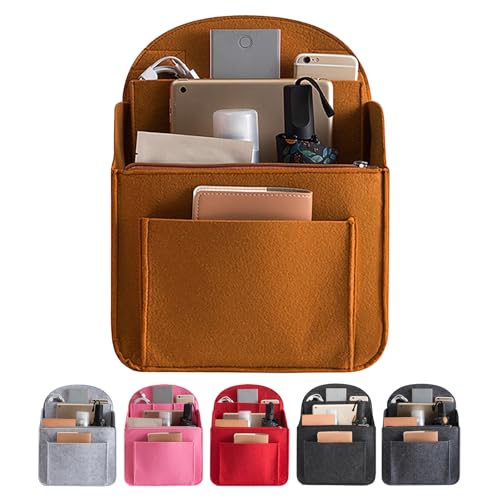
These are useful when you want a more defined internal layout. They can help keep categories separated inside a larger pack, but they may not suit every bag shape. The key question is whether the insert matches the usable interior space of your pack.
Multi-piece organizer sets
Sets can be helpful when you carry several categories of small items and want a system that stays consistent. They may also make it easier to assign one pouch to one purpose. The downside is that you may end up with pieces you do not need.
Which organizer fits your needs?
| Your need | What usually helps | Main trade-off |
|---|---|---|
| Frequent access to small items | Compact pouches or clear compartment layouts | Less space for larger gear |
| Clothing and travel packing | Packing cube style organizers | More structure can use extra room |
| Loose gear in a daypack | Simple zip organizers or divider inserts | May add setup time when packing |
| Changing loadouts | Flexible, lightweight organizers | Usually less rigid organization |
| Keeping categories separate | Multi-piece sets or compartmented designs | More pieces to manage and store |
Common mistakes to avoid
- Buying for the pack instead of the contents: start with what you carry, then choose the organizer style that suits it.
- Choosing too much structure: a very rigid organizer can be harder to fit inside a small or irregular pack.
- Overlooking bulk: an organizer that looks neat on paper may still take away useful room in the bag.
- Mixing too many purposes: one organizer for everything can become less helpful than a few simple, separate compartments.
- Ignoring access habits: if you need something quickly, a tidy closure matters less than easy reach.
Safety and suitability caveats
Pack organizers are generally a low-risk purchase, but suitability still matters. Make sure the organizer matches the kind of pack you use, the items you carry, and any conditions your gear will face. If you expect wet conditions, rough handling, or frequent cleaning, check the individual product page for the details that matter to you.
Maintenance, storage, and lifespan considerations
General care is usually simple, but it still affects long-term usefulness. Consider whether the organizer is likely to need regular emptying, airing out, wiping down, or separate storage when not in use. If you pack food, toiletries, or damp gear, easy cleaning may matter more than a more elaborate layout.
It also helps to think about how often you will switch contents. A durable, flexible organizer may suit frequent use, while a more structured option may be better when the contents stay fairly consistent.
How to compare options efficiently
- Identify what you want to separate or access more easily.
- Choose the organizer style that fits those items and your pack size.
- Compare structure, access, and bulk, not just the number of compartments.
- Check whether the layout matches how you pack in real life.
- Confirm the individual product page details before deciding.
Summary buyer decision checklist
- Does the organizer match the items you actually carry?
- Will it fit the available space inside your pack?
- Is the access style convenient for how often you use the contents?
- Do you want a flexible layout or more structure?
- Is the amount of bulk worth the organization you gain?
- Will the organizer be easy to clean or store when empty?
- Does the design suit your usual travel, hiking, or daily use routine?
Frequently asked questions
Do I need a pack organizer if my backpack already has pockets?
Not always, but extra pockets do not always solve the same problem. A pack organizer can be useful when you want to group items by purpose or keep small gear from spreading across the bag. If your current pockets already keep things easy to find, a simple pouch may be enough.
Are soft organizers or structured organizers better?
Neither is universally better. Soft organizers usually fit more easily into irregular spaces, while structured ones help keep contents from shifting. The better choice depends on whether your priority is flexibility or a more defined layout.
How do I know what size organizer to buy?
Start with the items you want to store and the usable interior space in your pack. A size that looks convenient can still be awkward if it crowds the main compartment. Check the individual product page for dimensions and layout details that fit your bag.
Can one organizer work for both travel and outdoor use?
Sometimes, yes, if your packing needs are similar. Many buyers use the same kind of pouch or divider style for multiple trips, but the best fit depends on the gear and how much access you want. A more general design is usually easier to reuse across different situations.
What is the biggest trade-off with pack organizers?
The main trade-off is usually convenience versus space. Organizers make gear easier to find and group, but they can also take up room and add a little complexity. The right balance depends on how often you need access and how full your pack usually is.
Should I buy one organizer or a set?
If your needs are simple, one well-chosen organizer may be enough. If you routinely separate several categories of items, a set can create a more consistent system. The downside of a set is that it may include pieces you do not actually need.
More Pack Organizers
See all 127 Pack Organizers →



As an Amazon Associate we earn from qualifying purchases.