
Pack Rain Covers
Pack rain covers are made for keeping backpacks and daypacks protected from wet weather during hikes, travel, and everyday carry. They are a simple accessory to compare when you want added weather protection without changing the pack itself.
When reviewing options, check the size range, how the cover secures around the pack, and whether it is intended for lighter showers or broader outdoor use. A good fit matters, since a cover that is too loose or too small may be harder to use effectively.
A rain cover sits over the outside of a pack, so it may not protect gear from moisture entering through openings or exposed areas. For items that need extra protection, compare it with an internal pack liner.

Showing 1–12 of 105 results
-
Pack Rain Covers
10-Pack Transparent Plastic Backpack Rain Covers for 15L-40L Packs
$6.99 View on Amazon -
Pack Rain Covers
33-Piece Disposable Backpack Rain Cover Set for 25-60 L Backpacks
$8.99 View on Amazon -
Pack Rain Covers
35L Purple Foldable Nylon Backpack Rain Cover, 50 x 45 cm Flat
$6.78 View on Amazon


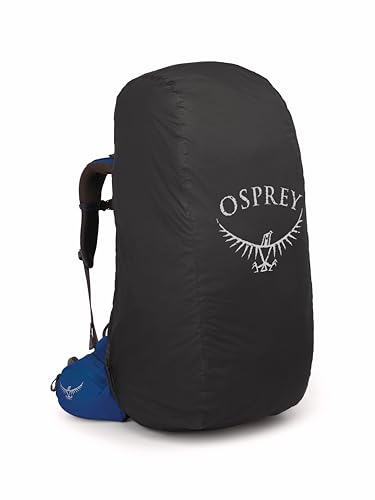


Pack rain covers add a layer of weather protection to a backpack, daypack, or similar carrier. They are typically used when you want to help shield the outside of a pack from rain, spray, or damp conditions while keeping the bag itself unchanged. For shoppers comparing products in this category, the most useful differences are usually fit, coverage, and how the cover attaches to the pack.
What to compare in pack rain covers
Size is one of the first things to check. Pack rain covers are often sold by pack volume or pack size range, so it helps to match the cover to the backpack you plan to use it with. A secure fit can make the cover easier to manage in windy or active conditions, while a poor fit may leave parts of the pack exposed or make the cover slip.
Attachment style is another practical detail. Some covers use elastic edges, others have straps or loops, and some combine both. The right choice often depends on how often you expect to put the cover on and remove it, as well as how much movement your pack sees during use.
Use and coverage considerations
Pack rain covers can vary in how much of the pack they enclose. Some are designed for basic weather protection, while others extend farther to help cover more of the pack body. If your pack carries gear that should stay dry, it is worth checking the product description carefully and pairing the cover with your usual loadout.
It can also help to think about where the pack will be used. A cover chosen for occasional commuting may not suit the same needs as one used for outdoor trips, uneven terrain, or changing weather. The category is best viewed as a way to compare practical weather-protection options rather than a single universal solution.
How to evaluate product details
Because pack covers are accessory items, the individual listing matters. Review the stated pack compatibility, closure design, and any notes about intended use. If you are comparing multiple options, focus on the details that affect real-world convenience: fit, ease of use, and how well the cover matches the pack you already own.
Check coverage with your usual load
A backpack’s shape can change when it is packed, and exterior pockets or attached gear may affect how a cover sits. When comparing options, consider the pack as you actually carry it, including any items secured outside. Check whether the stated size guidance accounts for those features and whether the cover leaves areas exposed.
A rain cover is an outer layer, not a sealed enclosure. Water may still reach gear through pack openings or areas the cover does not cover, depending on the design and conditions. If keeping particular items dry is important, an internal pack liner can provide another layer inside the bag. Compare the two accessories by where they sit and what part of the pack they are meant to protect.