
Bike Cranksets
Bike cranksets are the drivetrain parts that connect your pedals to the chain and help determine how power transfers into forward motion. People compare cranksets to match a bike’s drivetrain setup, riding style, and compatibility with the rest of the system.
When browsing options, it helps to check crank arm length, chainring configuration, and fit with the bottom bracket and chain standard used on the bike. The right choice depends on the frame and drivetrain setup, so it is worth reviewing the individual product details carefully.
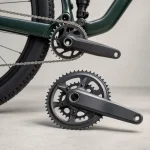
Showing 1–12 of 114 results


Bike cranksets are central to how a bicycle turns leg power into movement. This category covers the crank arms and chainring setup that work with the pedals, chain, and drivetrain. Riders often compare cranksets when building a bike, replacing a worn part, or changing gearing to better suit their riding style.
What to compare in a crankset
The most useful comparisons usually start with compatibility. A crankset needs to work with the bike’s bottom bracket, chain, and overall drivetrain format, so the individual listing should be checked closely before choosing. Crank arm length can also matter because it affects pedaling feel and may suit some riders better than others.
Chainring configuration is another important factor. Some cranksets are set up for simpler gearing, while others use multiple chainrings for a wider range of gears. The best fit depends on how the bike is used, whether the priority is smoother cadence changes, broader gear range, or a more straightforward setup.
Riding use and drivetrain setup
Different riders compare cranksets for different reasons. A road bike, mountain bike, commuter, or bikepacking setup may call for a different gearing style, even when the basic function is the same. It is helpful to think about terrain, cadence preferences, and how the crankset will work with the rest of the drivetrain rather than focusing on the crankset alone.
If you are replacing a part, matching the existing setup is often the simplest approach. If you are changing gearing, review the product details for chainline, intended drivetrain type, and any compatibility notes so the new crankset fits the rest of the build cleanly.
Review product details carefully
Because cranksets are closely tied to the rest of the bike, small differences can matter. Check the individual product page for the exact specifications, then compare the available options based on your frame, drivetrain, and riding needs. That makes it easier to narrow down the crankset that suits the bike without guessing at compatibility.
How chainring size affects gearing
Chainring tooth counts help describe the gearing a crankset can provide. With the same rear gear, a larger front chainring gives a higher gear, while a smaller one gives a lower gear that can make climbing easier. The overall range also depends on the cassette and the rest of the drivetrain, so consider how the front and rear gearing work together rather than choosing by chainring count alone.
When comparing replacements, identify the crank-to-bottom-bracket interface and the chainring attachment style used by the bike. These standards are not interchangeable in every case. Confirm the exact fit, chain compatibility, and any drivetrain requirements before selecting a different crankset.