
Tandem Bikes
Tandem bikes are built for two riders who want to share one bicycle and move together. This category covers options that can suit relaxed recreational rides, commuting, or longer outings, depending on the frame design and components shown on each listing.
When comparing tandem bikes, look closely at rider fit, steering feel, gearing, and how the bike is set up for the intended use. It is also worth checking the individual product details for size guidance and any compatibility notes that may affect how well the bike matches your riding plans.
Showing 1–12 of 79 results

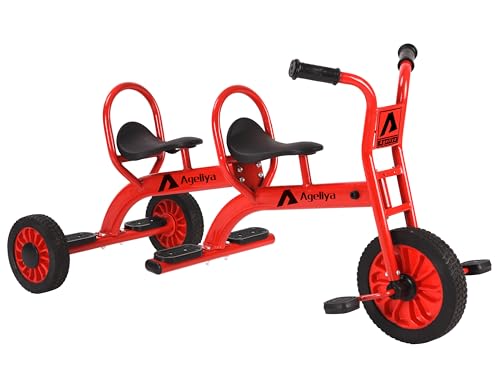


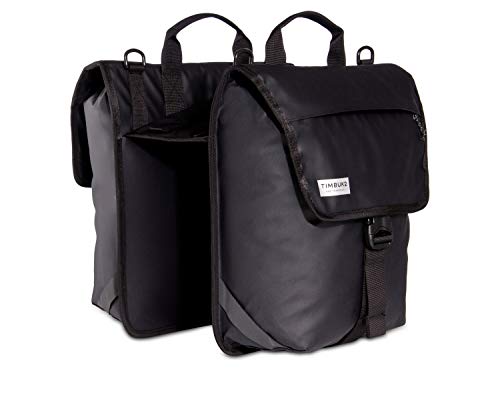


Tandem bikes let two people ride the same bicycle, making them a practical choice for shared recreation and coordinated riding. The exact experience can vary a lot from one listing to another, so it helps to compare the overall design rather than assuming every tandem bike handles the same way.
What to compare on a tandem bike
Start with rider fit and comfort. A tandem should give both riders enough room to pedal naturally and maintain a stable riding position. Frame geometry, seat setup, and handlebar arrangement can all affect how easy the bike is to control and how comfortable it feels over longer rides. If the listing provides sizing guidance, check it carefully before narrowing down your options.
Gearing is another important factor. Some tandem bikes are better suited to flatter routes and casual rides, while others may be set up to handle more varied terrain or longer distances. Because two riders add more weight and effort to the bike, it is useful to review the drivetrain details on each product page and compare the available gearing range.
Ride use and handling
Since a tandem bike is meant to be ridden by two people, coordination matters. The captain and stoker positions may feel different, and the bike’s handling can depend on wheelbase, frame length, and component setup. For that reason, shoppers often compare tandem bikes by intended use first, then by comfort and control features that match their riding style.
Brake setup, wheel configuration, and accessory mounts may also influence how the bike suits a particular route or routine. For example, riders planning longer outings may want to check whether the listing highlights comfort-focused or touring-friendly details, while casual riders may simply want a straightforward tandem for neighborhood or recreational use.
Review the individual product details
Because tandem bikes can differ significantly, it is smart to compare the product descriptions closely. Look for rider recommendations, any assembly notes, and any compatibility or fit information supplied by the retailer. That approach makes it easier to choose a tandem bike that matches the way you plan to ride without relying on general assumptions.