

Running vests are a practical way to carry water, nutrition, a phone, layers, or other small essentials while keeping your hands free. They are especially useful when a belt feels too limited or when a backpack feels too bulky for the run.
The main buying challenge is not finding a vest, but finding one that fits your body and your running style. Comfort, pocket layout, stability, and hydration setup can matter more than the overall look or the amount of storage alone.
If you are comparing running vests for everyday training, long runs, trail runs, or race day use, focus on how the vest carries weight and how easy it is to access what you need while moving.
Compare Running Vests



As an Amazon Associate we earn from qualifying purchases.
What should you look for in a running vest?
The best starting point is to match the vest to the distance, pace, and items you want to carry. A lightweight vest with fewer pockets may suit shorter outings, while a more structured layout can help on longer runs where fueling and hydration matter more. The key trade-off is usually between minimal bulk and more carrying capacity.
Comfort is often the deciding factor because a vest can feel very different once it is loaded. Look for a fit that stays close to the body, feels stable when you move, and does not create pressure points at the shoulders, chest, or sides.
Specifications vary by model, so always check the individual product page before buying.
| Feature | What It Means | Why It Matters | What To Check |
|---|---|---|---|
| Fit and adjustability | How closely the vest can be matched to your torso and chest | A stable fit helps reduce bounce and improves comfort | Adjustable straps, size range, and whether it can be tightened while worn |
| Storage layout | The number and placement of pockets or compartments | Good organization makes items easier to reach while running | Front pockets, rear storage, secure closures, and easy access to frequent items |
| Hydration carry | Whether the vest is designed to hold bottles or another hydration setup | Important for longer outings or warm conditions | What hydration options the vest supports and how they are positioned |
| Stability | How well the vest stays in place during movement | Less shifting usually means less distraction | Low-bounce design, snug fit, and balanced load placement |
| Breathability | How much airflow the vest allows against your body | Can affect comfort during longer or warmer runs | Panel design, materials, and whether the vest seems suited to your climate |
| Weight and bulk | How much the vest adds before it is even loaded | A lighter feel can be better for short or fast runs | Minimalist vs. more feature-rich designs |
Key decision criteria
Fit and bounce control
A running vest should feel close to the body without restricting breathing or arm swing. If the fit is too loose, the vest may shift as you run; if it is too tight, it can become uncomfortable quickly. Try to judge fit by how the vest is intended to sit when loaded, not just how it looks empty.
Storage needs
Think about what you actually carry on a normal run. A phone, keys, a soft flask, snacks, or a light layer each take different amounts of space and different pocket access. A more organized vest can be easier to live with than a larger vest that stores items awkwardly.
Hydration planning
Some buyers want a vest mainly for carrying water, while others want storage first and hydration second. Decide whether you need room for bottles, a hydration bladder-style setup, or only occasional fluid carry. That choice affects the layout more than many shoppers expect.
Run length and terrain
Short city runs, long training runs, and trail outings do not always need the same vest. Longer or less predictable routes often benefit from more storage and better access to essentials. For simpler runs, a lighter and less complicated vest can be the better fit.
Types of running vests
Running vests in this category are usually chosen by how much they carry and how structured they feel. A minimalist vest may suit runners who want the least possible bulk and only a few essentials. A more storage-focused vest may suit longer sessions where you want room for hydration and extra gear.
Some vests emphasize quick access to front pockets, while others put more of the load toward the back. Front-access layouts can be convenient for snacks or a phone, while rear-focused storage may feel better when you want the front of the vest to stay clear. The right choice depends on what you reach for most often while running.
Which vest suits which runner?
| Buyer need | What to prioritize | Why it helps |
|---|---|---|
| Short daily runs | Lightweight feel, simple storage, easy fit | Comfort matters more than capacity for quick outings |
| Long runs | Stable carry, hydration planning, organized pockets | Helps manage fuel, water, and small essentials over time |
| Trail running | Secure storage, balanced load, easy access | Useful when conditions or route length may change |
| Commuter or mixed-use runners | Versatile storage and dependable fit | Makes it easier to carry everyday items without excessive bulk |
| Minimalist runners | Low bulk and only the pockets you truly need | Reduces extra weight and distraction |
Common mistakes and misunderstandings
Choosing by storage alone. A vest with more space is not automatically better if it rides poorly or feels awkward when full. Fit and stability should be checked first.
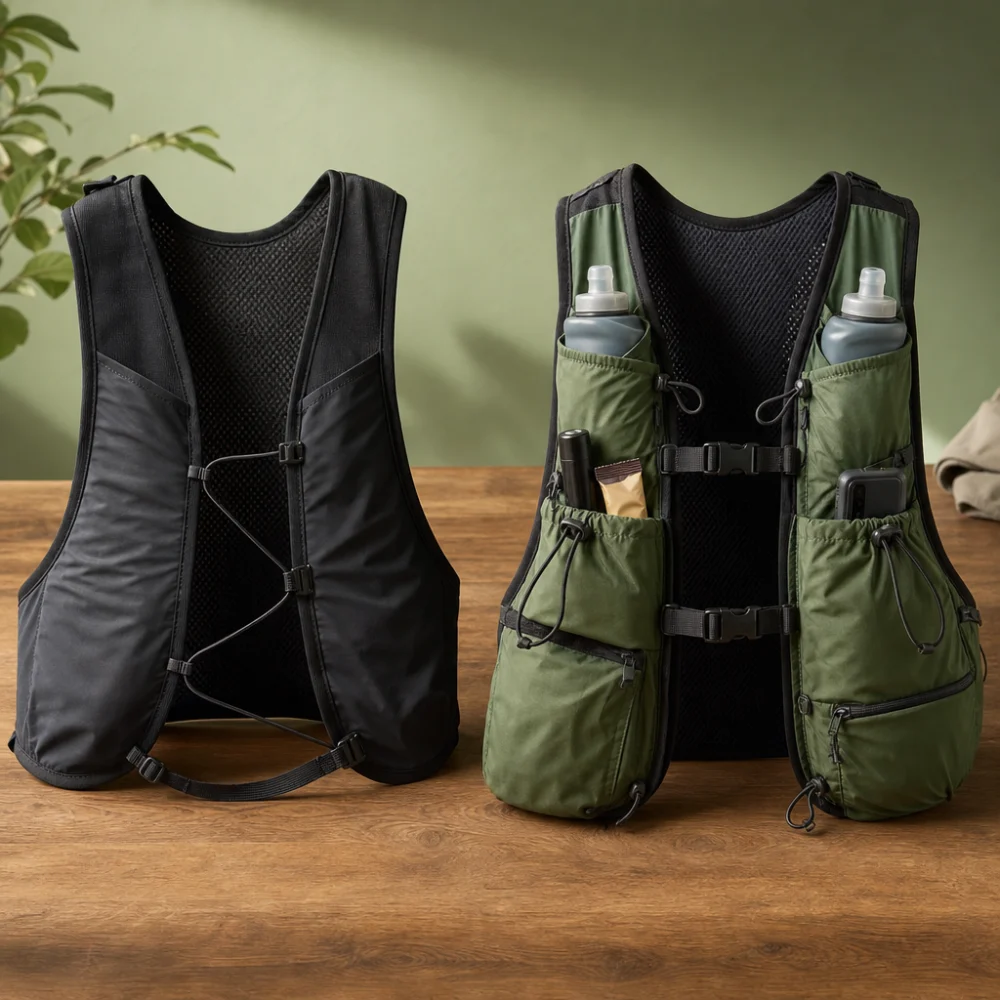
Assuming all pockets are equally useful. Pocket placement matters as much as pocket count. An easy-to-reach pocket can be more valuable than a larger pocket that is hard to access on the move.
Ignoring how the vest feels loaded. A vest can seem comfortable when empty and then feel very different with water, snacks, or clothing inside. Look for details that suggest balanced carry and secure adjustment.
Overlooking the intended run type. A vest that works well for short neighborhood runs may not be the best fit for longer or more demanding outings. Match the vest to how you plan to use it most often.
Safety and suitability caveats
Choose a vest that suits your body size and your planned use, and check the product page carefully for fit guidance and carry options. If you run in changing weather, on trails, or for longer distances, make sure the vest supports the items you actually need without forcing you to overload it. Specifications vary by model, so always check the individual product page before buying.
Maintenance, storage and lifespan considerations
Running vests usually benefit from basic care after sweaty or dusty use. Cleaning needs, drying time, and storage space can vary, especially if the vest includes hydration-related features or many pockets. If you expect frequent use, think about how easy it will be to rinse, dry, and store the vest between runs.
Durability is often tied to how heavily the vest is loaded and how often it is used. A simpler vest may be easier to care for, while a more feature-rich design may offer more convenience but require a little more attention after each outing.
How to compare options efficiently
- Start with your main use case: short runs, long runs, trail running, or mixed use.
- Decide how much storage and hydration support you actually need.
- Compare fit, adjustability, and stability before looking at extras.
- Check pocket layout and access for the items you reach for most often.
- Review the individual product page for model-specific details and any limits.
Summary buyer decision checklist
- Does the vest match your typical run length and pace?
- Will the fit feel stable when the vest is loaded?
- Does the storage layout match the items you carry most often?
- Is hydration support needed, or is storage the main priority?
- Will the vest be comfortable in your usual weather and terrain?
- Is the vest easy to clean, dry, and store after use?
Frequently asked questions
What is the main advantage of a running vest?
A running vest helps carry essentials without putting everything in your hands or bouncing around like a less structured bag. It is often chosen for stability, access to pockets, and a closer fit than many other carry options.
How do I know if I need a vest instead of a belt?
If you carry only a phone or a couple of small items, a belt may be enough. If you want more storage, better balance, or room for hydration-related items, a vest may make more sense.
Should I choose more pockets or fewer pockets?
That depends on how many things you carry and how often you need to reach them. More pockets can help with organization, but fewer pockets can be simpler and lighter if you only carry the basics.
What matters more, hydration support or storage?
That depends on how long and how far you run. For longer outings, hydration support may matter more, while for shorter runs you may care more about a secure place for phone, keys, and nutrition.
How important is adjustability?
Very important, because the vest should stay comfortable when loaded and while moving. Good adjustability helps the vest sit closer to the body and can reduce shifting during a run.
Can one running vest work for every type of run?
Sometimes, but not always. A vest that is versatile enough for several uses can be a smart choice, yet the most comfortable option for short runs may not be the best one for long or trail-heavy outings.
Distinguish visibility from gear carrying
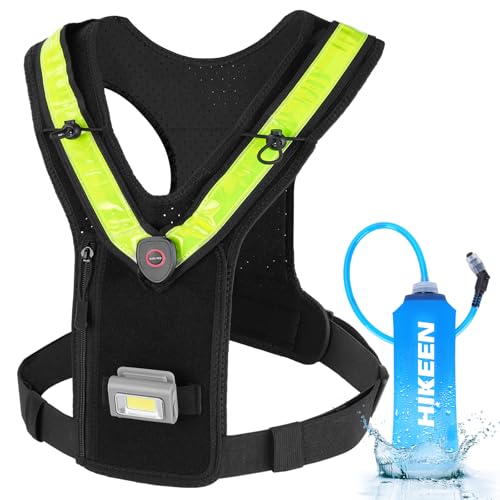
Some running vests are primarily designed to make the runner more visible, while others focus on carrying hydration and other gear. A design may combine both purposes, but do not assume that reflective details provide illumination or that a carrying vest offers visibility features. Check the product information for the specific visibility elements and whether any light is included; neither reflective details nor a light guarantees that you will be seen in every condition.
Confirm what the hydration setup includes
A vest may have space or holders for hydration without including the bottles or other containers shown or discussed in its product information. Before choosing, check what comes with the vest, what type and size of container it is designed to accommodate, and whether the setup suits how you prefer to carry water. If you already own a container or hydration system, verify its compatibility rather than assuming it will fit.
More Running Vests
See all 72 Running Vests →


As an Amazon Associate we earn from qualifying purchases.