

Choosing a backpacking pack is mostly about fit, comfort, and how much gear you expect to carry. The right pack can make trail miles feel more manageable, while the wrong one can create pressure points, poor balance, or wasted weight.
This guide focuses on the buying decisions that matter most before a trip: capacity, suspension, access, organization, and how the pack matches your typical load. It is meant to help you compare options without assuming every pack is built for the same kind of use.
If you are trying to narrow a crowded category, start with your trip style first. A shorter, lighter trip usually points to a different pack than a bulky food carry, a cold-weather load, or a multi-day itinerary with more shelter and clothing.
Compare Backpacking Packs

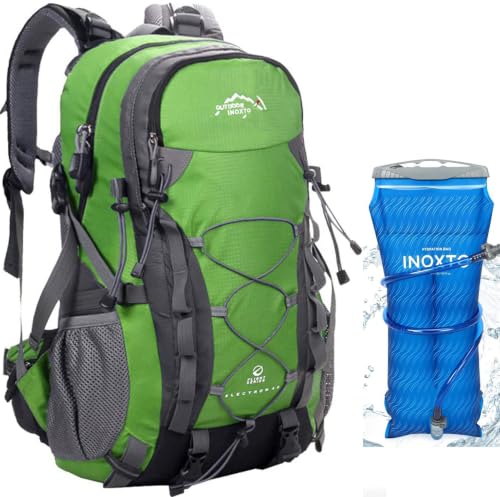

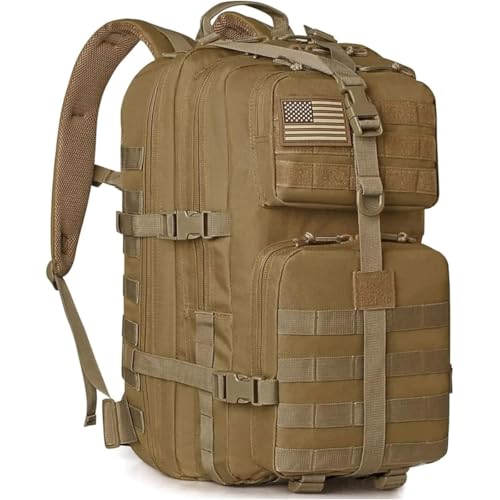


As an Amazon Associate we earn from qualifying purchases.
What should you look for in a backpacking pack?
Start with fit and carry comfort, then compare capacity and pack design. A pack that fits your torso and hip belt correctly is usually more important than extra pockets or a long feature list. After that, look at how the pack organizes gear, how it opens, and whether the suspension style matches the weight you expect to carry. Specifications vary by model, so always check the individual product page before buying.
| Feature | What It Means | Why It Matters | What To Check |
|---|---|---|---|
| Fit | How the pack matches your torso and hip shape | Good fit improves comfort and load transfer | Adjustability, torso sizing, hip belt shape |
| Capacity | How much gear the pack is meant to hold | Too small feels cramped; too large can encourage overpacking | Trip length, season, and the volume you actually carry |
| Suspension | The frame, harness, and support system | It affects stability and how weight feels on the trail | Frame style, padding, and load support |
| Access | How you get to the main compartment and essentials | Faster access can make camp and trail stops easier | Top load, panel access, side access, pocket layout |
| Weight | The pack’s own carry weight | Heavier packs may feel sturdier, lighter packs may be simpler to carry | Balance weight against comfort and durability needs |
| Organization | Pockets, compartments, and attachment points | Helps separate gear and find items quickly | Exterior pockets, lid, hip belt pockets, lash points |
Key decision criteria
Fit and adjustability
Fit is the first thing to get right because a pack that sits poorly can make every mile harder. Many buyers focus on capacity first, but torso fit, shoulder harness shape, and hip belt comfort usually have a bigger effect on how the pack feels once loaded. Look for sizing details and adjustment options on the individual product page, especially if you are between sizes or plan to share the pack.
Capacity for your typical trips
Capacity should match what you usually carry, not what you might carry on a rare trip. If you pack light, an oversized pack can tempt you to fill empty space and carry more than needed. If your trips involve colder conditions, bulkier sleep systems, or extra food, a larger volume may be more practical. The right choice is the one that holds your real load without forcing awkward compression.
Frame and load support
Backpacking packs vary in how they support weight. Some are built to feel more structured and stable under a heavier load, while others prioritize simplicity and reduced mass. The trade-off is usually between carrying comfort, pack weight, and how much support you want for your style of hiking. Check frame type, back-panel design, and how the pack is intended to carry weight.
Access and organization
Think about how often you need to reach food, layers, rain gear, or a water filter during the day. A simple top-loading pack can be very effective, while panel or side access may help if you prefer faster access to packed items. Extra pockets are useful only if they match your habits; too many compartments can make packing less efficient for some users.
Common backpacking pack types and variants
Within this category, the main differences are usually about weight, support, and organization rather than dramatic design changes. Some packs lean toward a lighter, simpler build, while others are shaped for more structured load carrying. A few are more feature-rich, with more external storage or easier access. The right variant depends on how much gear you carry and how you prefer to pack.
- More supportive packs: Suited to buyers who carry heavier or more complex loads, with comfort and stability taking priority.
- Lighter packs: Better for hikers who want to reduce carry weight and keep the pack simpler.
- More organized packs: Helpful when you want faster access and more separated storage.
- Minimalist packs: Good for efficient packers who do not need many pockets or extras.
Which pack style fits your needs?
| Buyer need | What to prioritize | Why |
|---|---|---|
| First-time backpacker | Comfortable fit, simple layout, clear sizing information | It reduces guesswork and makes packing easier |
| Weekend trip hiker | Balanced capacity, practical access, manageable weight | Enough room without carrying unnecessary bulk |
| Cold-weather or bulkier load | More volume and stronger support | Bulky gear needs room and stability |
| Minimalist hiker | Lower pack weight and simpler organization | Helps keep the overall carry system efficient |
| Frequent trail user | Durable materials, durable hardware, reliable fit | Regular use makes construction details matter more |

Common mistakes to avoid
- Choosing capacity before fit: A pack that seems ideal on paper can still feel wrong on your body.
- Buying more volume than you need: Extra room often leads to extra weight and less efficient packing.
- Ignoring how you pack: A good design for one person may be awkward for another depending on access preferences.
- Overvaluing pocket count: More pockets are not automatically better if they do not match your gear routine.
- Assuming every pack carries the same way: Support and comfort vary a lot by model, even when two packs look similar.
Safety and suitability caveats
Backpacking packs are not one-size-fits-all items, and a good purchase depends on your body, your trip length, and the amount of weight you expect to carry. If you are unsure about fit, adjustability, or carry style, review the product details carefully and compare them with your intended use. For long hikes or heavier loads, comfort and stability matter more than cosmetic features.
Maintenance, storage, and lifespan considerations
General care can affect how long a backpacking pack stays comfortable and usable. Let the pack dry fully after wet trips, store it in a cool dry place, and avoid leaving heavy loads compressed for long periods when you are not using it. Zippers, buckles, straps, and fabric areas can all influence long-term ownership, so it helps to inspect the construction and finishing details before buying.
How to compare options efficiently
- Start with your typical trip length and the gear you normally carry.
- Choose the general pack style that fits that load and your comfort preferences.
- Compare fit details, support, access, and organization on each product page.
- Weigh the trade-off between lighter weight and more structure or features.
- Confirm the individual product information before you decide.
Backpacking pack buyer checklist
- Does the fit information match your torso and hip comfort needs?
- Is the capacity appropriate for your usual trip length and season?
- Does the pack style match how you like to access and organize gear?
- Is the support level suitable for the weight you expect to carry?
- Are the materials and construction details in line with how often you will use it?
- Have you checked the individual product page for the specific details you care about most?
Frequently asked questions
How do I know what size backpacking pack I need?
Start with your trip style and the amount of gear you usually carry, then narrow down by fit. A smaller pack may work well for lighter, more efficient setups, while bulkier gear or longer trips often need more space. Fit still matters just as much as size, so compare both together.
Is a lighter pack always better?
Not always. A lighter pack can be appealing, but comfort and support may be more important if you carry heavier loads or hike longer distances. The best choice is the one that balances weight with how stable and comfortable the pack feels for your use.
Do more pockets make a pack better?
More pockets can help if you like to separate gear and reach items quickly, but they are not automatically an advantage. Some hikers prefer a simpler layout because it packs more efficiently and feels less cluttered. Choose the organization style that matches how you actually use your gear.
What matters more: frame type or pocket layout?
For many buyers, frame type and overall fit matter more because they affect comfort and load carrying. Pocket layout is still useful, but it usually comes after the bigger questions of support and capacity. If the pack does not fit well, the pocket layout will not make up for it.
Can one backpacking pack work for every trip?
Sometimes, but not always. A versatile pack can handle a range of conditions, yet very light trips and very bulky trips may call for different volumes or support levels. If you hike in varied conditions, focus on the range of use that fits most of your outings.
What should I check on the product page before buying?
Look for fit guidance, capacity, support style, access points, and any construction details that affect comfort or organization. If the pack will be used for a specific kind of trip, make sure those details align with your usual setup. Specifications vary by model, so always check the individual product page before buying.
How to compare pack sizing and fit
Pack sizing is not always interchangeable between brands, and a person’s height alone may not identify the right fit. Check the product’s sizing guidance for torso-length measurements and hip-belt fit, then compare those details with your own measurements. If the product information does not make the sizing clear, avoid assuming that a familiar size label will fit the same across different packs.
Consider fit alongside the load you expect to carry. Shoulder straps, the hip belt, and the pack’s support system all affect how a loaded pack sits, so check any manufacturer guidance about intended load and adjustment range. A close match on capacity is not enough if the available fit details do not suit your body.
More Backpacking Packs
See all 102 Backpacking Packs →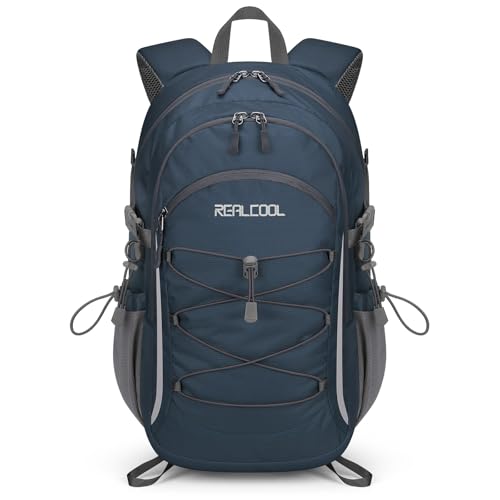


As an Amazon Associate we earn from qualifying purchases.