

Spinning reels are a common choice for anglers who want a reel that is easy to learn, versatile, and widely used for many everyday fishing situations. The right option depends less on a single feature and more on how well the reel matches your rod, target fish, and preferred line type.
If you are comparing spinning reels for the first time, it helps to focus on a few practical questions: how much line you need, how much drag control matters, and whether you want a lighter reel for comfort or a sturdier one for larger fish. The details can vary a lot by model, so it is worth slowing down and checking the product page carefully.
This guide covers the buying decisions that matter most when choosing within the spinning reel category. It is meant to help you compare options confidently without turning the decision into guesswork.
Compare Spinning Reels


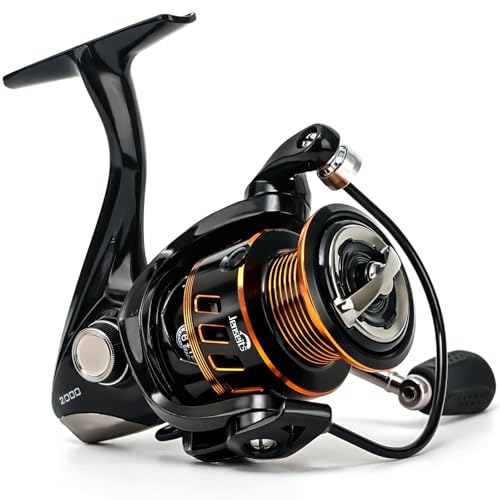

As an Amazon Associate we earn from qualifying purchases.
What should you look for in a spinning reel?
The best starting point is to match the reel to the kind of fishing you plan to do. A reel that feels smooth and balanced on the right rod will usually be more satisfying than one that looks impressive on paper but does not fit your setup well.
For most buyers, the main trade-off is between size, weight, line capacity, and drag feel. Bigger reels can handle more line, but they may feel bulky. Smaller reels are easier to handle, but they may not suit heavier line or larger fish. Specifications vary by model, so always check the individual product page before buying.
| Feature | What It Means | Why It Matters | What To Check |
|---|---|---|---|
| Reel size | The general size class of the reel body and spool | Helps determine balance, comfort, and line capacity | Match the size to your rod and the kind of fishing you plan to do |
| Drag system | The adjustment that controls resistance when a fish pulls line | Supports smoother pressure during the fight | Look for adjustability and whether the reel is intended for lighter or heavier use |
| Line capacity | How much line the spool can hold | Affects how the reel handles distance and longer runs | Compare the stated capacity with the line type and strength you expect to use |
| Retrieve feel | How smoothly and comfortably the reel turns when cranking | Can affect control and fatigue during longer sessions | Check product details and user-facing descriptions for smoothness cues, if provided |
| Weight and balance | How heavy the reel feels on the rod | Helps with comfort and overall handling | Consider the reel together with the rod instead of separately |
Key decision criteria for spinning reels
Size and intended use
Spinning reels are commonly chosen in different sizes for different line weights and fishing conditions. A smaller reel may feel more comfortable for lighter setups, while a larger reel may better support bigger line needs or stronger fish. The practical question is not which size is “better,” but which one suits the rod and style of fishing you want.
Drag control
Drag is one of the most important parts of reel feel because it affects how line comes off under pressure. Buyers who want more control during a fight often pay attention to how adjustable the drag is and whether the reel is intended for lighter or heavier applications. Do not assume a higher number always means a better reel; what matters is whether the drag range suits your use.
Line capacity and line type
Line capacity matters because it affects how much line the spool can hold and how the reel behaves during a cast or a long run. If you use a thicker line, you may reach capacity sooner than expected. It is helpful to check whether the product page lists capacity for the line type you plan to use, since those figures are not always directly interchangeable.
Comfort and balance
A reel that matches the rod well can feel lighter and easier to use over time, even if the reel itself is not the lightest option available. This matters especially for longer trips or repeated casting. If possible, compare the reel’s intended size with the rod class you already use or plan to pair it with.
Materials and finish
Material descriptions can suggest whether a reel is aimed at everyday use, frequent use, or more demanding conditions, but they do not tell the full story on their own. Look for clear, practical information about the body, spool, and any corrosion-related notes if the reel may see frequent exposure to water. Avoid relying on appearance alone.
Common spinning reel types and variants
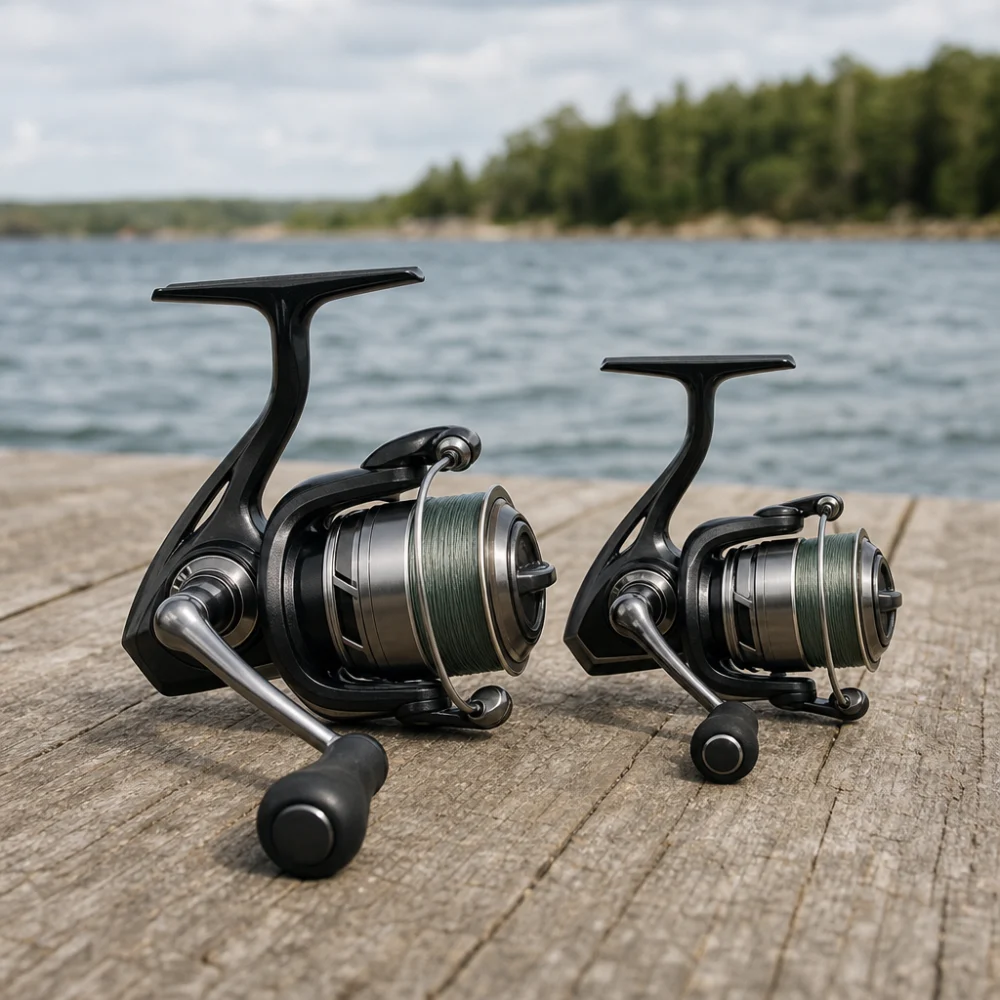
Within the spinning reel category, the most meaningful differences are usually about size, intended line range, and overall refinement rather than completely different operating styles. That makes the comparison simpler than in some other fishing categories.
- Compact reels: Often chosen for lighter setups, easier handling, and less fatigue.
- Mid-size reels: A flexible middle ground for buyers who want one reel for a wider range of casual use.
- Larger reels: Better suited when capacity, stronger line, or more robust handling matters more than compact feel.
The useful question is which type matches your rod and fishing target, not which one sounds most advanced.
Which spinning reel suits which buyer?
| Buyer need | Helpful reel traits | Trade-off to consider |
|---|---|---|
| Beginner-friendly use | Simple setup, comfortable size, straightforward adjustment | Very basic reels may be easier to use but less refined |
| Lightweight comfort | Smaller or more balanced reel feel | Less capacity than a larger reel |
| Versatile everyday fishing | Mid-size option with balanced capacity and handling | A general-purpose reel may not be ideal for specialized use |
| Larger fish or heavier line needs | More capacity and stronger-feeling drag range | Bigger reels can feel heavier and bulkier |
| Gift buying | Widely usable size and clear product information | Without the recipient’s rod or target species, exact fit is harder to judge |
Common mistakes to avoid
- Choosing by appearance alone: A reel may look substantial but still be a poor fit for your rod or line needs.
- Ignoring balance: A reel that is too large or too small can feel awkward in use even if the specs seem fine.
- Overlooking line capacity: Buyers sometimes focus on the reel body and forget to check whether it holds the line they plan to use.
- Assuming all reels in one size are equal: The same size label can still vary in feel, capacity, and intended use.
- Skipping the product-page details: Specifications vary by model, so always check the individual product page before buying.
Safety and suitability notes
Spinning reels are not usually complicated to shop for, but suitability still matters. Make sure the reel fits the type of fishing you plan to do, the rod you expect to use, and the line you prefer. If you are buying for a beginner, a simpler, well-matched setup is often easier to learn on than a reel chosen for maximum capacity or a specialized purpose.
It is also worth checking whether the product information clearly states the intended use or reel size class, since that can help you avoid buying something that feels mismatched in hand.
Maintenance, storage, and long-term use
Basic care can affect how long a spinning reel feels smooth and dependable. Many buyers look for a reel that is easy to clean and store after use, especially if it may be exposed to water or carried frequently.
When comparing options, consider whether the reel seems intended for occasional use or repeated outings, and whether replacement parts or servicing information are easy to understand if needed. A reel that fits your routine is often easier to keep in good condition than one that requires extra attention you do not want to give it.
How to compare spinning reels efficiently
- Start with the kind of fishing you plan to do and the rod you want to pair with the reel.
- Narrow the choice to a reel size that seems appropriate for your comfort and line needs.
- Compare drag, line capacity, and balance instead of focusing on one feature alone.
- Check the product page for the line type, size class, and any use notes that affect suitability.
- Choose the option whose trade-offs match your priorities, whether that is simplicity, comfort, capacity, or a more robust feel.
Spinning reels buyer checklist
- Does the reel size fit the rod and the kind of fishing you plan to do?
- Is the line capacity appropriate for the line type you expect to use?
- Does the drag range seem suited to your intended use?
- Will the reel feel comfortable for the length of time you expect to use it?
- Does the product page give enough detail to judge suitability confidently?
- Have you avoided comparing only by appearance or a single spec?
Frequently asked questions
What makes a spinning reel different from other reel types?
Spinning reels are generally valued for being straightforward to use and adaptable across many common fishing setups. They are often a practical choice when you want a reel that is easy to handle without needing a highly specialized approach. The main buying question is whether the reel’s size and capacity fit your rod and target use.
How do I know what size spinning reel to buy?
Start with the rod and the type of fishing you expect to do, then narrow the reel size to something that feels balanced and practical. Bigger is not automatically better, because extra capacity can come with extra bulk. The best size is the one that matches your comfort level and intended use.
Is a smoother reel always better?
Not necessarily. Smoothness is desirable, but it only matters in context if the reel also has the size, drag, and capacity you need. A very smooth reel that is the wrong size for your setup is still a poor match.
Do I need a large drag setting?
Only if your intended fishing conditions call for it. Many buyers are better served by a reel with a practical drag range that feels controllable than by chasing a large number. Think about the fish and line you plan to use, not just the headline spec.
Can one spinning reel work for many situations?
Yes, a mid-size, general-purpose spinning reel can be a flexible choice for many buyers. The trade-off is that a versatile reel may not excel at a specialized task. If you fish in very different conditions, it can help to prioritize balance and clarity of specs over broad claims.
Should beginners choose the cheapest option?
Not automatically. A very low-cost reel may work for occasional use, but it can also feel less comfortable or less refined. For beginners, a clearer product description and a size that matches the rod are often more useful than chasing the lowest price point.
What should I check on the product page before buying?
Check the reel size, line capacity, intended use notes, and any details that help you judge balance and compatibility with your rod. If the information is limited, be cautious about assuming the reel will suit a more demanding setup. The more clearly the product page describes the reel, the easier it is to compare options fairly.
Retrieve speed, handle setup, and fishing environment
Gear ratio and line pickup
Gear ratio describes how many times the spool turns for each turn of the handle, while line pickup describes how much line the reel retrieves per handle turn. These measures are related but not identical, so compare the stated line pickup when it is provided rather than judging retrieve speed from gear ratio alone. A faster retrieve may help when you want to take up slack quickly; a slower one may offer a different feel under load, so consider the techniques you expect to use.
Handle orientation
Check which hand turns the handle and whether the handle position can be changed if that matters to you. Do not assume that every model offers the same adjustment; verify the product details before buying, particularly when choosing a gift or replacing a familiar reel.
Freshwater and saltwater suitability
If you fish in saltwater, look for explicit product information about the reel’s intended environment and any corrosion-related design or care guidance. A material name or general description alone does not establish saltwater suitability. For freshwater use, prioritize the conditions you actually encounter rather than paying attention to environment claims that do not apply to your fishing.
More Spinning Reels
See all 128 Spinning Reels →


As an Amazon Associate we earn from qualifying purchases.