

Trolling reels are built for fishing while a boat moves slowly through the water, with line control and steady drag mattering more than fast casting. If you are comparing options for freshwater or saltwater trolling, the main job is to match the reel to your line, target species, and rod setup.
This guide focuses on the practical choices that affect comfort, control, and long-term use. It can help beginners narrow the category and help experienced anglers compare different reel styles without getting distracted by features that may not matter for trolling.
Compare Trolling Reels


As an Amazon Associate we earn from qualifying purchases.
What should you look for in a trolling reel?
The best starting point is to match the reel to your fishing style and the rod it will sit on. Pay closest attention to drag control, line capacity, gear feel, corrosion resistance, and how easy the reel is to manage when you are running multiple lines or fishing for long periods. A reel that feels simple and dependable is often more useful than one packed with features you will not use.
Specifications vary by model, so always check the individual product page before buying.
| Feature | What It Means | Why It Matters | What To Check |
|---|---|---|---|
| Drag control | How smoothly the reel lets line out under pressure | Helps manage runs and reduces sudden line stress | Look for adjustable, consistent drag behavior rather than only a high number |
| Line capacity | How much line the spool can hold | Important when fishing deeper water or giving fish room to run | Confirm the listed capacity matches your planned line type and use |
| Retrieve style | How the reel brings line back in and how it feels during use | Affects comfort and control during repeated trolling trips | Check handle layout, retrieve direction, and whether the motion suits your setup |
| Construction materials | What the reel body and key parts are made from | Influences weight, durability, and resistance to corrosion | Review material descriptions if you fish in saltwater or harsh conditions |
| Counter or line control features | Features that help manage depth, line payout, or repeatable presentations | Useful for keeping lures at a consistent running depth | See whether the feature fits your fishing style, not just the product name |
Key decision criteria
Drag and line control
For trolling, smooth and predictable line control is usually more important than a quick cast. A reel should let line move in a controlled way when a fish strikes or when you need to adjust tension. If you expect stronger fish or longer runs, focus on how the drag is described rather than assuming all reels behave the same.
Line capacity and line type
Line capacity matters because trolling setups may hold more line than a typical casting setup. Heavier lines, backing, and certain fishing styles can all change how much usable line you need. Check the product page for the line type used in the capacity rating so you can compare it with your own setup accurately.
Rod and mounting match
The reel should suit the rod you plan to use and the way you hold or mount the setup. Some anglers prefer a simple, robust reel for long trolling sessions, while others want a lighter feel for easier handling. The right match is less about one universal standard and more about how the reel balances with the rest of your gear.
Corrosion resistance
If you fish in saltwater or in damp conditions often, materials and finishes deserve extra attention. Corrosion resistance can affect how long the reel stays smooth and serviceable. Look closely at the product description for the parts that are protected, because not every model uses the same materials in the same places.
Common trolling reel types and variants
Within trolling reels, the most useful differences are usually about control style, build, and intended fishing environment rather than dramatic design changes.
- Simple conventional-style reels: Often chosen for straightforward trolling because they are direct to use and tend to emphasize line control.
- Reels with counter features: Helpful when repeatable lure depth or line payout is part of the setup, especially if you like consistent presentations.
- Heavier-duty reels: Better suited to demanding use, but they may feel bulkier and be more than a casual angler needs.
The main limitation is that a feature-heavy reel is not automatically a better reel for your style. Focus on the functions you will actually use on the water.
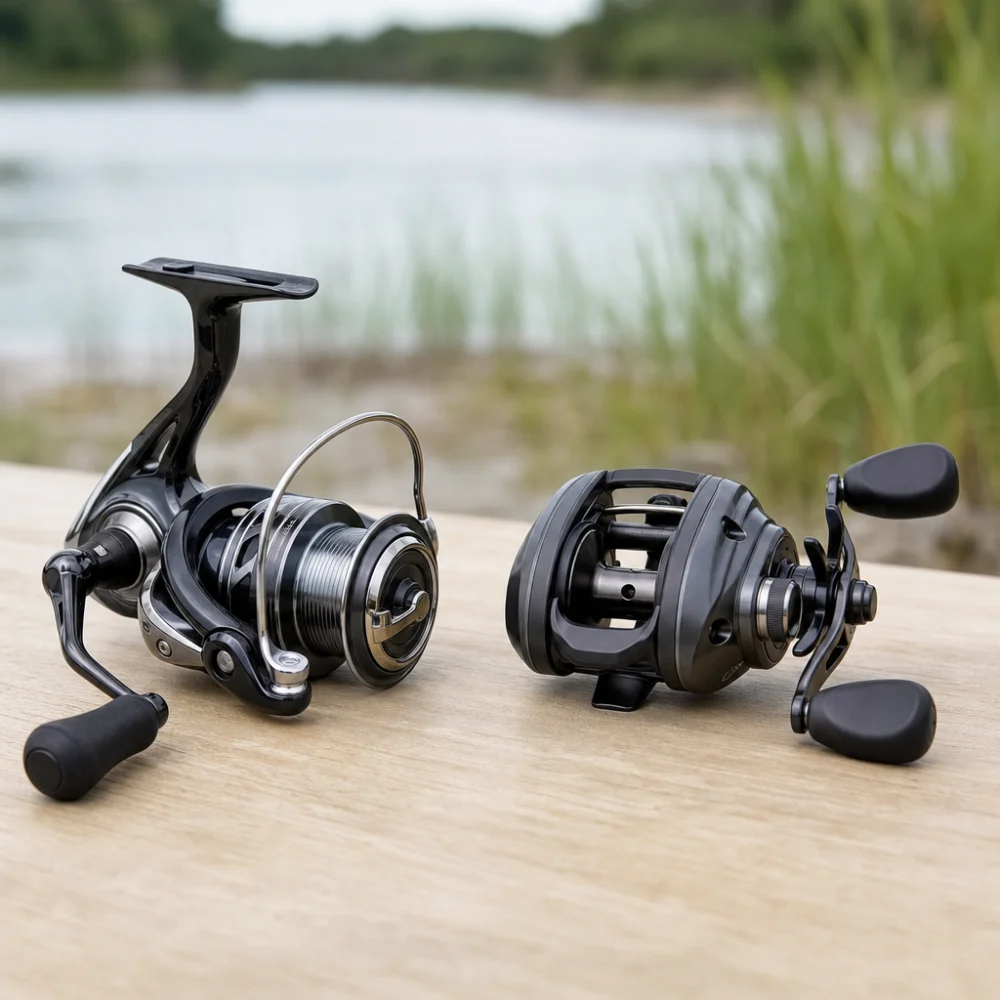
Which trolling reel fits which buyer?
| Buyer need | What to prioritize | What to avoid overpaying for |
|---|---|---|
| Beginner trolling setup | Straightforward controls, readable specifications, comfortable handling | Advanced features you may not use right away |
| Frequent offshore or saltwater use | Corrosion resistance, sturdy construction, smooth drag control | Light-duty designs that may not suit harder conditions |
| Freshwater angler with moderate use | Balanced capacity, reliable drag, easy maintenance | Specialized features aimed at more complex setups |
| Angler building a multi-rod trolling spread | Consistent line management and repeatable setup behavior | Reels that are hard to compare or adjust consistently |
Common mistakes and misunderstandings
- Choosing by feature count alone: More features can be useful, but only if they fit your fishing style.
- Ignoring line capacity details: A reel can look suitable until you compare the listed capacity with the line you plan to use.
- Overlooking corrosion concerns: Freshwater and saltwater use can place very different demands on a reel.
- Forgetting the rod match: A reel that feels fine on its own may not balance well with the rod you already have.
Safety and suitability caveats
Choose a trolling reel that matches the conditions you expect to fish in and the fish you are targeting. If you are uncertain about a reel’s suitability for saltwater, heavy line, or repeated long sessions, review the product details carefully before buying. Specifications vary by model, so always check the individual product page before buying.
Maintenance, storage and lifespan considerations
Like most fishing gear, trolling reels usually last longer when they are cleaned and stored with care after use. If you fish in saltwater, rinsing and drying practices matter more, but the exact care routine depends on the reel and its materials. Before buying, consider whether the reel looks easy to maintain and whether replacement parts or service information are important for your own use.
How to compare options efficiently
- Start with your fishing environment: freshwater, saltwater, or mixed use.
- Decide how much line control and capacity you actually need.
- Compare drag feel, build materials, and handling instead of focusing on one headline feature.
- Check how the reel fits your rod and your preferred trolling setup.
- Read the product page closely for model-specific details before making a choice.
Summary buyer decision checklist
- Matches the way you plan to troll
- Has suitable line capacity for your setup
- Offers drag control that fits your target fish and conditions
- Uses materials appropriate for your fishing environment
- Feels comfortable with your rod and overall setup
- Includes only the features you will actually use
- Has model-specific details that support your intended use
Frequently asked questions
Are trolling reels different from spinning reels?
Yes. Trolling reels are generally chosen for controlled line payout and steady use while fishing behind a moving boat, while spinning reels are more associated with casting and wider all-around use. The better choice depends on how you fish and what style of line management you need.
Do I need a line counter on a trolling reel?
Not always. A line counter can help when you want repeatable lure placement or depth management, but many anglers do fine without one. If consistent setup matters to you, it is worth considering; if not, a simpler reel may be enough.
How important is drag smoothness?
Very important for many trolling setups, because drag affects how line comes off the reel under load. Smooth drag can make fish control more predictable and reduce sudden line stress. Look for clear product details rather than assuming all reels feel the same.
Can I use a trolling reel in saltwater?
Sometimes, but only if the reel is suitable for that environment. Saltwater can be tougher on materials and finishes, so corrosion resistance matters more. Check the product page carefully instead of assuming a general-purpose reel is enough.
What line type should I choose?
That depends on your target species, rod setup, and the reel’s stated line capacity. The important step is to compare the reel’s listed capacity with the line you plan to spool. If the product page gives multiple capacity figures, use the one that matches your intended line type.
Do heavier trolling reels always perform better?
No. Heavier-duty reels can be a good fit for tougher conditions, but they may be bulkier than you need for casual or lighter trolling. A better reel is the one that suits your fishing style, not the one with the strongest-sounding description.
Drag and line-guide styles: useful distinctions
Some conventional trolling reels use a star drag, while others use a lever drag. A star drag is adjusted with a dial-like control; a lever drag uses a lever to change drag settings. Neither style is automatically the better choice: consider which control feels more intuitive for your fishing and whether the product information clearly explains its adjustment range and operation.
Also check whether the reel has a levelwind line guide. It helps distribute line across the spool during retrieval, which can make line management more straightforward. Some reels omit this guide, so compare the design with your preferences and intended setup rather than assuming every trolling reel handles line the same way.
What a line counter measures
A line counter can help you repeat a measured amount of line payout, but it does not directly measure the lure’s depth. Depth also depends on factors such as line, lure, speed, and conditions. Treat the counter as a consistency aid, not a guarantee of a particular running depth.
More Trolling Reels
See all 71 Trolling Reels →


As an Amazon Associate we earn from qualifying purchases.