

Fishing swivels are small terminal tackle pieces, but they can make a noticeable difference in how a rig behaves. They are commonly used to help reduce line twist, connect sections of tackle, and make changing parts of a setup easier.
Because swivels vary in size, strength, shape, and attachment style, the right choice depends on your line, lure or bait setup, and the kind of fishing you do. A good buying decision starts with the rig you want to build, not just the swivel name on the package.
Specifications vary by model, so always check the individual product page before buying.
Compare Fishing Swivels



As an Amazon Associate we earn from qualifying purchases.
What should you look for in a fishing swivel?
The best starting point is to match the swivel to the task. If you need line-twist control for moving bait or spinning presentations, focus on smooth rotation and the right size for your line. If you need a simple connection point, think more about attachment style, ease of use, and whether the swivel fits neatly into your rig without adding unnecessary bulk.
The main trade-off is usually between strength, size, and smooth operation. Smaller swivels are less obtrusive, but they may not suit heavier line or larger rigs. Larger swivels can be easier to handle and may be more robust, but they can add visibility and bulk to a finesse presentation.
| Feature | What It Means | Why It Matters | What To Check |
|---|---|---|---|
| Size | The physical scale of the swivel | Affects visibility, bulk, and how neatly it fits the rig | Whether the swivel suits your line and terminal tackle setup |
| Strength | How much load the swivel is intended to handle | Should align with the demands of your fishing style | Any load information shown on the product page |
| Rotation | How freely the swivel turns | Important for helping reduce line twist | Whether the design is meant for line-twist control or basic connection |
| Attachment style | The way the swivel connects to line, leader, or lure | Shapes how fast you can tie, change, or remove parts | Whether it matches your preferred knot or terminal connection |
| Profile | The swivel’s overall shape and footprint | Can affect drag, tangling, and how obvious it is in the water | Whether the shape suits your rig and presentation style |
Key factors that affect swivel choice
Line and rig compatibility
The most important check is whether the swivel works with the line and rig you plan to use. A swivel that is too small can be awkward to tie and may not suit heavier terminal tackle, while one that is unnecessarily large can make a compact setup feel clumsy. Think about whether you are pairing it with a light freshwater rig, a more robust leader connection, or a setup that changes components often.
Strength and balance
Swivels are part of the load path in your rig, so they should be chosen with the rest of the setup in mind. Matching strength only by a single number can be misleading if the rest of the tackle is lighter or heavier. The practical goal is balance: the swivel should be appropriate for the line, knots, hooks, and lures you are already planning to use.
Rotation and twist control
Some fishing situations create more line twist than others, especially when lures spin or bait movement is irregular. In those cases, the swivel’s ability to turn smoothly matters more than its size alone. If twist control is a main reason for buying, make sure the product is intended for that role rather than acting only as a basic connector.
Visibility and bulk
In clearer water or lighter presentations, less bulk is often preferable because it can make the rig feel cleaner and more streamlined. In heavier or more utility-focused setups, a slightly larger swivel may be easier to handle and assemble. The trade-off is straightforward: more visibility and bulk can mean easier handling, while a smaller profile can be more discreet.
Common swivel types and how they differ
Fishing swivels are usually compared more by function than by dramatic product categories. The differences that matter most are often in how they connect, how much rotation they allow, and how much bulk they add to the rig.
- Basic barrel-style swivels: A simple choice for general line management and connection needs. They suit many casual rigs, but they are not automatically the right fit for every presentation.
- Compact or low-profile swivels: Useful when you want less bulk in the setup. The trade-off is that handling can be less convenient if your line is heavier or your fingers need more room to work.
- Specialized connection swivels: These are aimed at particular rig-building tasks. They can make assembly easier, but they should be checked carefully to ensure they suit the way you tie and fish.
Which swivel suits different buyers?
| Buyer need | What to prioritize | Why it helps |
|---|---|---|
| Beginner building a simple rig | Ease of use, clear sizing, basic all-purpose design | Makes it easier to choose a sensible match without overcomplicating the setup |
| Angler dealing with line twist | Rotation performance and appropriate strength | Supports the main reason the swivel is being used |
| Light or finesse presentation | Smaller profile and minimal bulk | Helps the rig stay discreet and compact |
| Heavier or more rugged setup | Fit, handling ease, and strength balance | Helps the swivel integrate with larger terminal tackle |
| Frequent rig changer | Connection style and convenience | Can make changing components quicker and simpler |
Common mistakes to avoid
- Choosing only by package size: A swivel that looks similar may still suit a very different rig. Check how it connects and what kind of setup it is meant for.
- Ignoring bulk: An oversized swivel can make a light presentation feel awkward. Match the swivel to the overall rig rather than to one piece of tackle alone.
- Overfocusing on strength alone: Strength matters, but so do rotation, handling, and compatibility. A balanced setup is usually more useful than chasing a single feature.
- Assuming all swivels solve the same problem: Some are better for general connection, while others are more helpful when line twist is the key concern. Identify the problem first, then compare products.
Safety and suitability notes
Fishing swivels are simple components, but suitability still matters. Make sure the swivel matches the intended fishing application, because a poor fit can create weak points or awkward rig behavior. If you are unsure about a product’s intended use, check the individual product page closely before buying.
Specifications vary by model, so always check the individual product page before buying.
Maintenance, storage, and lifespan
Swivels generally do not need complicated care, but they should be kept clean and stored so they are easy to inspect. Corrosion resistance, finish, and moving parts can affect how long a swivel remains dependable, especially after exposure to water and storage in a tackle box. When comparing options, think about how often you will use them and whether you prefer a simple, easy-to-replace terminal piece.
How to compare fishing swivels efficiently
- Start with the rig you want to build and the main job the swivel has to do.
- Check whether the size and profile suit the line, lure, bait, or leader you plan to use.
- Compare the connection style and make sure it matches how you tie terminal tackle.
- Look at strength information alongside the rest of your setup, not in isolation.
- Favor the swivel that fits the job cleanly, rather than the one with the most features.
Buying checklist
- Does the swivel suit the type of rig you are building?
- Is the size appropriate for your line and terminal tackle?
- Does the connection style match how you tie or change components?
- Is the swivel meant for general connection or line-twist control?
- Does the profile feel suitably compact for your presentation?
- Have you checked the individual product page for model-specific details?
Frequently asked questions
Why do anglers use fishing swivels?
Swivels are often used to help reduce line twist and to create a useful connection point in a rig. They can also make some setups easier to assemble or change. The exact benefit depends on the style of swivel and how you use it.
How do I know what size swivel to buy?
Start by looking at the line and tackle you plan to pair it with. A swivel should fit your setup without feeling oversized or awkward. If the product page provides size guidance, use that as the main reference.
Are all fishing swivels the same?
No. Swivels can differ in size, profile, strength, and connection style. Those differences can change how well they fit a particular rig, so it is worth comparing the details instead of assuming one swivel suits every use.
Do I need a swivel for every fishing setup?
Not necessarily. Some rigs work better with a swivel, while others do not need one. It depends on whether line twist control, connection convenience, or rig layout is actually useful for the way you fish.
What matters more, size or strength?
Both matter, but in different ways. Size affects how visible and compact the rig feels, while strength affects whether the swivel is appropriate for the rest of the setup. A good choice balances both rather than maximizing one at the expense of the other.
Can a small swivel still be a good choice?
Yes, if it fits the rig and handles the intended use. Smaller swivels can be helpful when you want a more discreet setup. Just make sure the product details still suit your line, connection method, and overall fishing plan.
How common swivel designs differ
Design names can help narrow a choice, but each style still needs to fit the rig and the product’s stated details. These common designs serve different connection needs:
- Barrel swivels: A straightforward connector with attachment points at both ends. They can suit simple rigs, but do not provide the quick-change convenience of a built-in snap.
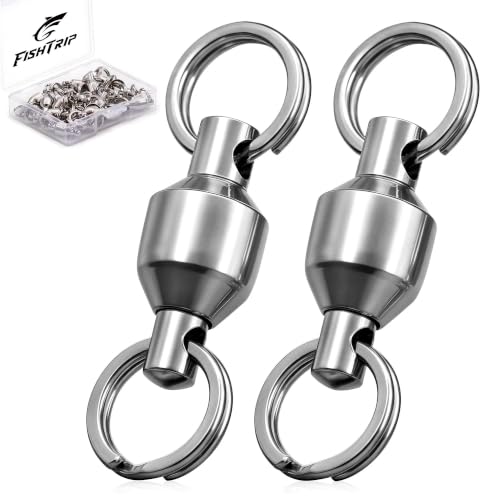
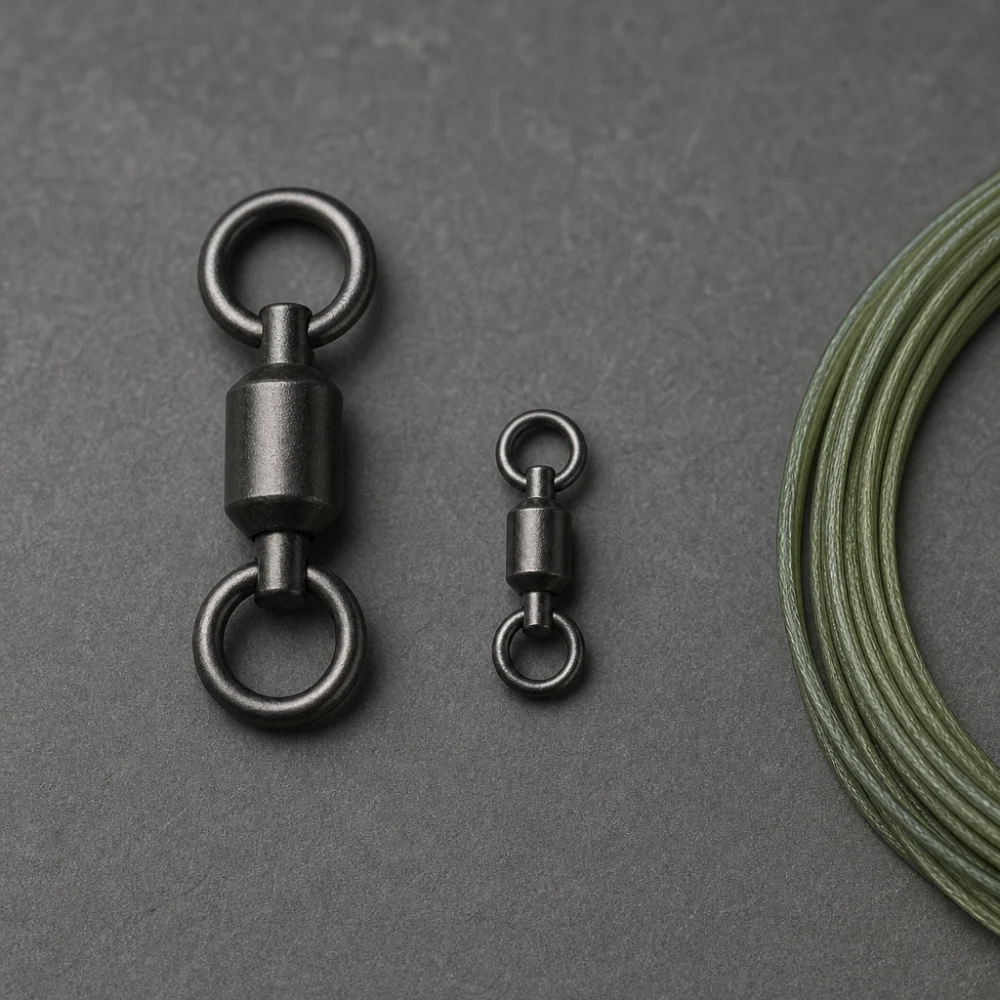
- Ball-bearing swivels: A bearing-supported design for buyers prioritizing smooth rotation. Compare the stated size and strength with your setup; the design alone does not guarantee that it is suitable for every line or lure.
- Snap swivels: A swivel with a snap for attaching or changing a component. This can simplify rig changes, but adds hardware, so consider whether the connection suits your presentation.
- Three-way swivels: A connector with a third attachment point for rigs that need a branch connection. That extra point can support a different rig layout, but is unnecessary for a basic two-end connection.
More Fishing Swivels
See all 99 Fishing Swivels →


As an Amazon Associate we earn from qualifying purchases.