

Bow scales are a simple but useful archery tool for checking draw weight and understanding how a bow feels at full draw. They can help with setup, tuning, equipment comparison, and keeping a consistent reference over time.
If you are choosing one, the main question is not just how much weight it can read, but how easy it is to use accurately for your bow style and your workflow. The right choice depends on whether you want a basic check tool, a more convenient digital readout, or a model that fits regular tuning sessions.
Compare Bow Scales


As an Amazon Associate we earn from qualifying purchases.
What should you look for in a bow scale?
The best starting point is to match the scale to the way you plan to use it. A simple tool may be enough for occasional checks, while a more readable or easier-to-hold design can be better if you tune often or compare multiple bows. The key trade-off is usually between simplicity, convenience, and how much detail you want from the reading.
Specifications vary by model, so always check the individual product page before buying.
| Feature | What It Means | Why It Matters | What To Check |
|---|---|---|---|
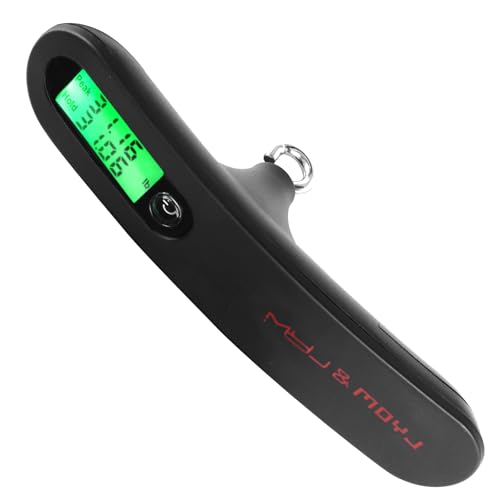
| Readout type | How the scale shows the result | Affects ease of reading and speed of use | Choose the display style you can read comfortably in your usual setup |
| Ease of hook-up | How the scale attaches during use | Influences convenience and repeatability | Look for a design that suits your bow and the way you test it |
| Measurement clarity | How clearly the result is presented | Helps reduce confusion when comparing readings | Check whether the scale is easy to interpret at a glance |
| Build and handling | The general construction and grip | Can affect comfort and confidence during use | Consider how stable and easy it seems to hold or operate |
| Intended use | Whether it is meant for casual checks or frequent tuning | Helps you avoid overbuying or choosing something too basic | Match the tool to your normal archery routine |
Key decision criteria
Readability
One of the most important factors is how easily you can see and interpret the reading. If you only use a scale occasionally, a straightforward design may be enough. If you compare bows or make repeated checks, a clearer display can save time and reduce mistakes.
Consistency
For tuning and comparison work, consistency matters more than novelty. A bow scale should help you get the same kind of reading under the same conditions, so the way it attaches and the way you pull or measure can matter as much as the number on the display.
Ease of use
Some buyers want a very simple tool, while others prefer a design that feels more controlled in the hand. If you are new to archery tools, choose a scale that seems easy to set up and easy to read without extra steps. That can make it more practical than a more complicated option.
Compatibility with your bow
Bow styles and setups can change how convenient a scale is to use. Before buying, check that the product page explains how it is meant to be used with your type of bow or measurement routine. Do not assume every scale feels the same in use.
Common types and variants
Bow scales are usually chosen more by design approach than by dramatic feature differences.
- Basic manual scales: Often suited to buyers who want a straightforward check tool without extra complexity. Their main limitation is that they may offer fewer convenience features.
- Digital-style scales: May suit shoppers who prefer a clearer readout. Their main limitation is that they add another layer of design choice and may depend on more careful checking of the product details.
- Compact tuning tools: Can be useful for archers who want a portable setup. Their trade-off is that compactness may come with fewer features or a smaller handling area.
Who needs what?
| Buyer need | What to prioritize | Why |
|---|---|---|
| New archer | Simple setup and easy reading | Makes the tool less intimidating and easier to use correctly |
| Regular tuner | Consistency and clear measurement | Helps make comparisons more reliable across sessions |
| Gift buyer | Broad usefulness and simple operation | Reduces the chance of choosing something too specialized |
| Archery hobbyist with multiple bows | Readable display and practical handling | Makes repeated checks more convenient |

Common mistakes and misunderstandings
- Focusing only on the reading: A scale can show a number, but ease of attachment and readability still affect how useful it feels.
- Assuming all scales suit all routines: Some are better for occasional checks, while others are better for frequent tuning or comparison work.
- Ignoring the product page details: Small design differences can matter, so check how the scale is meant to be used before buying.
- Buying more tool than you need: If your use is occasional, a simple option may be more practical than a feature-heavy one.
Safety and suitability caveats
Bow scales are buying tools, not a substitute for careful bow setup or common sense. Choose a model that is appropriate for your bow type and your level of experience, and check the individual product information for any use limitations or handling notes.
Maintenance and storage considerations
Most bow scales should be stored where they will not be knocked around or exposed to unnecessary wear. If a model has moving parts, a display, or a hanging mechanism, keeping it clean and dry can help it stay easier to use. Before buying, think about whether you want a tool that is especially compact, especially readable, or especially easy to keep with your other archery gear.
How to compare options efficiently
- Decide how often you will use the scale and whether it is for casual checks or regular tuning.
- Choose the general style that fits your routine and comfort level.
- Compare how easy each option is to read and handle.
- Check whether the product page explains any bow-style or usage limitations.
- Favor the option that gives you the clearest, most practical workflow for your needs.
Summary buyer decision checklist
- Do you want a simple check tool or something easier for frequent tuning?
- Is the reading easy for you to see and interpret?
- Does the design seem practical for your bow and your normal setup?
- Are you comfortable with the level of complexity the tool adds?
- Have you checked the individual product page for usage details and limitations?
Frequently asked questions
What does a bow scale help me do?
It helps you check draw weight and compare how a bow feels under controlled conditions. That can be useful for setup, tuning, and understanding equipment changes over time.
Do I need a bow scale if I only shoot recreationally?
Not everyone does, but it can still be useful if you want a better sense of your bow’s setup or want to compare equipment more confidently. For occasional use, a simple model is often enough.
Are digital bow scales better than manual ones?
Neither is automatically better. Digital-style options may be easier to read, while manual tools can be simpler and more straightforward. The better choice depends on how you plan to use it.
Can one bow scale work for every bow?
Not always in the most convenient way. The right choice depends on how the scale is designed to be used and whether that matches your bow style and measurement routine.
What matters most when choosing one?
Readability, ease of use, and suitability for your routine usually matter more than any single feature. A tool that fits your workflow is often more useful than one with extra features you will not use.
How do I avoid buying the wrong one?
Start with your use case, then check the product page for how the scale is meant to be handled and read. That makes it easier to spot whether it is a practical fit before you choose.
Check the measurement range and units
Before choosing a scale, check that its stated measurement capacity suits the draw weight you expect to measure. Also look at the units shown and how finely the reading is divided; a display that is easy to interpret can make comparisons more practical, but it does not by itself establish measurement accuracy.
Draw-weight readings can depend on draw length and measurement setup. When comparing readings, use consistent conditions and avoid treating results taken differently as directly equivalent.
More Bow Scales
See all 51 Bow Scales →




As an Amazon Associate we earn from qualifying purchases.