

Mountain bike helmets are built for riders who want a balance of coverage, ventilation, comfort, and trail-friendly features. The right choice depends less on style alone and more on where you ride, how aggressive your terrain is, and how much coverage and airflow you want.
This guide focuses on the buying decisions that matter most before you compare individual products. It helps you sort out fit, coverage, visor design, retention systems, and the differences between common mountain-bike helmet styles.
Because helmet details vary by model, it is worth checking the individual product page closely before buying.
Compare Mountain Bike Helmets


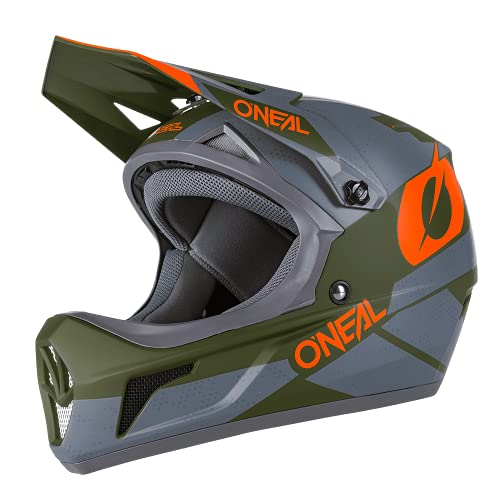
As an Amazon Associate we earn from qualifying purchases.
What should you look for in a mountain bike helmet?
Start with fit and intended use. A helmet should suit your head shape, stay stable when adjusted, and match the kind of riding you do most often. After that, compare coverage, ventilation, visor design, and any trail-specific features that matter to you. The main trade-off is usually between lighter airflow and more coverage or protection around the back and sides of the head.
| Feature | What It Means | Why It Matters | What To Check |
|---|---|---|---|
| Fit | How well the helmet matches your head shape and size | A stable fit is essential for comfort and confidence | Size range, adjustment system, and how the helmet sits on the forehead and sides |
| Coverage | How much of the head the helmet covers | More coverage can feel reassuring on technical trails | Rear coverage, side coverage, and whether the design suits your riding style |
| Ventilation | How much air can move through the helmet | Better airflow helps on climbs and warm days | Vent layout, riding climate, and whether you prioritize cooling or coverage |
| Visor | A brim that helps shade your eyes and deflect trail spray | Useful on bright or loose terrain, but not needed by every rider | Whether it is fixed or adjustable and whether it feels practical for your riding |
| Retention system | The dial or cradle that fine-tunes the fit | Helps keep the helmet secure and comfortable | Ease of adjustment, stability, and whether it works well with your hair or eyewear |
| Extra features | Add-ons such as eyewear storage or mount compatibility | Can improve convenience if you will actually use them | Whether the feature is useful to you or just adds complexity |
Key decision criteria explained
Fit comes first
Fit is the most important factor because a helmet that does not sit properly will be uncomfortable and harder to wear consistently. Look for a size range that matches your head measurement and an adjustment system that lets you fine-tune the feel. A good fit should feel secure without pressure points or obvious movement.
Coverage versus ventilation
Mountain bike helmets often try to strike a middle ground between airflow and more trail-oriented coverage. If you ride slower, more technical terrain, you may prefer a design with a bit more coverage at the back and sides. If you climb a lot or ride in hot weather, stronger ventilation may matter more than extra shell area.
Visor and trail practicality
A visor can help with sun and trail debris, but it is not automatically useful for everyone. Some riders like the added shade and the more mountain-bike-specific feel, while others prefer a simpler front profile. Check whether the visor looks adjustable or fixed and decide whether that feature solves a real problem for your riding.
Weight and feel
Helmet weight is only part of the comfort story, but it affects how the helmet feels over long rides. A lighter helmet may feel less noticeable, while a more robust design may bring different trade-offs in coverage or feature set. The practical question is how the helmet feels after an hour, not just how it looks in photos.
Eyewear and accessory compatibility
If you wear sunglasses or use trail eyewear, check that the helmet shape and retention system leave enough room for a comfortable fit. Some riders also want space for a goggle strap or a place to park eyewear when climbing. Specifications vary by model, so always check the individual product page before buying.
Common mountain bike helmet types
Within this category, the biggest differences are usually about how much coverage and airflow you want. Some helmets lean toward a lighter, more open feel for general trail riding. Others aim for more rear coverage or a more aggressive trail look. The right choice is usually the one that matches the pace, terrain, and comfort level of your rides.
- Open-face trail style: Often a good starting point for general mountain biking because it balances ventilation and coverage.
- More coverage-focused trail style: May suit riders who spend time on rougher or steeper terrain and want a more protective feel.
- Minimalist vented style: Useful if cooling and low weight matter more than extra coverage.
Which helmet suits which kind of rider?
| Buyer need | What to prioritize | Why |
|---|---|---|
| New mountain bike rider | Comfort, easy adjustment, and straightforward fit | Simple, stable helmets are easier to live with and less distracting on the trail |
| Hot-weather rider | Ventilation and lightweight feel | Better airflow can make longer rides more comfortable |
| Technical trail rider | Coverage, secure fit, and a visor that suits the terrain | These riders often value confidence and stability on rough ground |
| Casual weekend rider | Balanced features and easy comfort | A versatile helmet may be more practical than a highly specialized one |
| Rider who wears eyewear | Retention shape and eyewear compatibility | Comfort around the temples and straps matters over the whole ride |
Common mistakes and misunderstandings
- Choosing by looks first: Style matters, but fit and intended use matter more.
- Assuming all mountain bike helmets feel the same: Shell shape, retention systems, and venting can change the experience a lot.
- Ignoring ride conditions: A helmet that feels great on cool, wooded trails may feel too warm in summer heat.
- Buying a feature you will not use: Extra add-ons are only useful if they match your riding habits.
Safety and suitability caveats
Choose a helmet intended for cycling and mountain biking, and make sure the fit is comfortable enough that you will actually wear it. Check the product details for the size range, intended use, and any care or replacement guidance provided by the manufacturer. If a helmet feels unstable, pinches, or sits too high or low, it is usually not the right match.
Maintenance, storage and lifespan considerations
Mountain bike helmets generally need light care rather than complicated maintenance. Keep them clean according to the manufacturer’s guidance, store them away from heat and direct sun, and avoid rough handling that could damage the shell or straps. Over time, padding and fit systems can wear, so comfort and condition are worth checking regularly.
How to compare options efficiently
- Start with your riding style and terrain.
- Choose the level of coverage and ventilation that fits those rides.
- Check fit details carefully, including adjustment range and head shape.
- Compare practical extras such as visor design and eyewear compatibility.
- Read the individual product page for model-specific details before deciding.
Summary buyer decision checklist
- Does the size range match your head measurement?
- Does the helmet feel secure without pressure points?
- Is the coverage level appropriate for your riding style?
- Is ventilation enough for your climate and effort level?
- Do the visor and other features solve a real need?
- Will it work comfortably with eyewear or other gear you use?
- Have you checked the individual product page for model-specific details?
Frequently asked questions
How do I know if a mountain bike helmet fits correctly?
It should sit level on your head, feel snug but not painful, and stay in place when you move. The adjustment system should fine-tune the fit rather than do all the work on its own. If it shifts easily or creates pressure points, try a different size or shape.
Do I need more coverage for trail riding?
That depends on the terrain and your comfort level. Riders on rougher, steeper, or faster trails often prefer more coverage, while riders on mellow routes may prioritize ventilation and a lighter feel. The best choice is the one that matches your typical rides.
Is a visor necessary?
No, but it can be helpful on bright, dusty, or wooded trails. Some riders like the added shade, while others prefer a simpler helmet profile. Treat it as a preference feature rather than a must-have.
Should I choose the lightest helmet available?
Not automatically. Lighter helmets can feel more comfortable, but fit, ventilation, and coverage are usually more important than weight alone. A slightly heavier helmet that fits better may be the better buy.
Can one helmet work for both casual rides and harder trails?
Often yes, if it offers a balanced mix of fit, ventilation, and coverage. Many buyers are best served by a versatile trail-oriented option rather than a highly specialized design. The key is whether it matches the rides you do most often.
What should I check if I wear glasses or sunglasses?
Look at the fit around the temples, the retention system, and whether the helmet leaves enough room for comfortable eyewear. Compatibility can vary by model, so it is worth checking the product page details closely.
More Mountain Bike Helmets
See all 17 Mountain Bike Helmets →


As an Amazon Associate we earn from qualifying purchases.