

Compound bows are a technical archery category, so the right choice depends on how you plan to use the bow and how well it fits the archer. A setup that feels comfortable in a store or on a product page may still be a poor match if the draw length, draw weight, or overall size does not suit the user.
This guide focuses on the buying decisions that matter most before you compare individual listings. It is meant to help target shooters, beginners, gift buyers, and experienced archers narrow the field without getting lost in unfamiliar terms.
Because compound bow models can vary a lot, it helps to separate the essentials from the extras. Specifications vary by model, so always check the individual product page before buying.
Compare Compound Bows

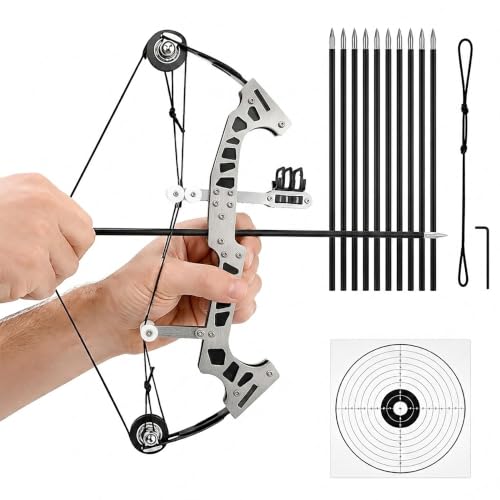


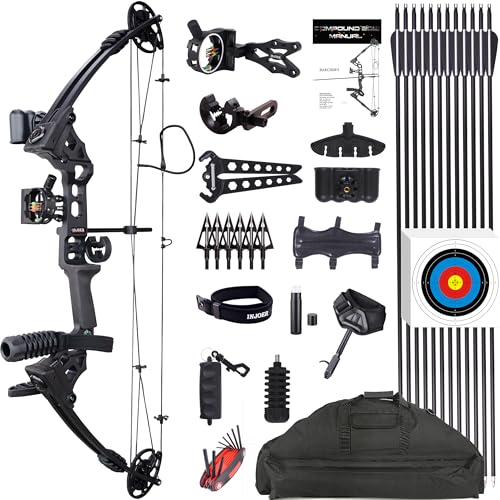
As an Amazon Associate we earn from qualifying purchases.
What should you look for in a compound bow?
The best starting point is fit: the bow should match the archer’s draw length and practical comfort level, then support the intended style of shooting. After that, compare how adjustable the bow is, how large or compact it feels, and whether the setup needs are manageable for the user. The main trade-off is usually between convenience and flexibility, since more adjustment can make a bow easier to tailor but also more complex to set up.
| Feature | What It Means | Why It Matters | What To Check |
|---|---|---|---|
| Fit | How well the bow matches the archer’s body and draw cycle | Poor fit can make the bow uncomfortable and harder to use consistently | Draw length range, bow size, grip feel, and whether the bow suits the intended shooter |
| Adjustability | How much the bow can be tuned for draw weight or draw length | Higher adjustability can help newer archers or changing needs, but setup may be more involved | Adjustment range, tools required, and whether the changes can be made without extra parts |
| Intended use | Whether the bow is aimed at target shooting, recreational shooting, or broader all-around use | The right design can feel smoother and more appropriate for the activity | Stated use case, bow length, and any notes from the product page about performance priorities |
| Stability and forgiveness | How steady the bow feels and how much it helps keep shots consistent | More stable bows may be easier to shoot well for some users, especially while learning | Overall size, balance-related details, and whether the bow is described as easy to handle |
| Setup and accessories | What is needed to make the bow ready to use | Some buyers want a simpler path; others prefer to choose accessories separately | What is included, what is not included, and whether extra components are required |
Key decision criteria
Draw length and draw weight
These are two of the most important fit factors. Draw length affects how naturally the bow comes to anchor, while draw weight affects how much force the archer has to manage. A bow that is too demanding can discourage consistent practice, while one that is too light may not suit the user’s goals.
Adjustability and growth room
Many buyers look for a bow that can adapt as skills improve or as the archer changes. That can be helpful, but only if the adjustment process is straightforward enough for the user or the person helping them. If you want a bow that can be tuned over time, look closely at the usable adjustment range rather than assuming all adjustable bows work the same way.
Size, feel, and handling
Compound bows can feel very different in the hand depending on their overall design. Some buyers prefer a more compact bow for easier handling, while others want a steadier feel that may be better for controlled shooting. The right choice depends on the shooter’s comfort, intended setting, and experience level.
Included components
Some listings may be closer to a bare bow, while others include more of what is needed to get started. That difference matters because the total setup can affect both convenience and cost. Check carefully whether the listing covers the parts you expected or only the bow itself.
Common compound bow variants
Within this category, the most useful distinction is usually between more adjustable bows and more specialized bows. Adjustable options can suit buyers who want flexibility or a broader fit range, while more specialized designs may appeal to archers who already know exactly what they want.
For a beginner or a gift buyer, flexibility often matters more than fine-tuned specialization. For an experienced archer, a narrower design choice may be fine if the bow matches a known preference and use case.
Which bow style suits which buyer?
| Buyer need | Priority | What to favor | What to be cautious about |
|---|---|---|---|
| Beginner | Ease of fit and manageable setup | Clear adjustment information and straightforward handling | Overly demanding draw settings or a complicated accessory list |
| Gift buyer | Broad suitability | Flexible sizing or adjustment details and simple product information | Guessing at fit without verifying the archer’s measurements or comfort needs |
| Recreational shooter | Comfort and consistency | A bow that feels stable and matches the intended shooting style | Choosing features that look impressive but do not improve the actual shooting experience |
| Experienced archer | Specific setup preferences | Clear technical details and the ability to compare exact features | Assuming a familiar brand or title means the setup will match previous gear |
Common mistakes and misunderstandings
- Choosing by appearance alone. A bow can look similar to another one while feeling very different in use. Fit and adjustment details matter more than styling.
- Ignoring the shooter’s comfort level. A demanding setup can make practice frustrating. Focus on a bow that the intended user can handle consistently.
- Assuming accessories are included. Product pages may differ on what is bundled. Check the listing so you know whether additional parts are needed.
- Overlooking adjustability details. Not every adjustable bow changes in the same way or to the same extent. Read the product page carefully before assuming it will fit a wide range of users.
Safety and suitability caveats
Compound bows are appropriate only when the buyer understands the intended use and the archer can handle the bow safely and comfortably. Pay close attention to the product page, especially any fit guidance, included components, and any notes about intended user level. If the bow is for a younger or newer archer, be conservative about size and draw demands.
Maintenance, storage, and ownership considerations
Compound bows are not usually buy-and-forget purchases. Over time, buyers should expect some attention to storage, inspection, and general care, especially if the bow is used regularly. A clean, dry storage space and careful handling can help the bow stay in good condition, but the exact care needs depend on the model and accessories.
If you are comparing options, think beyond the initial purchase and consider whether the bow seems easy to keep organized and ready for use. That matters most for new owners who want a simpler experience and for experienced archers who want a reliable setup.
How to compare options efficiently
- Start with the intended user and the main use case.
- Check fit details first, especially draw length and any adjustment information.
- Compare how much setup and accessory coordination each option seems to require.
- Weigh comfort, handling, and flexibility against the level of complexity you are willing to manage.
- Read the individual product page carefully before deciding, since model details can vary.
Summary buyer decision checklist
- Does the bow match the intended archer’s fit needs?
- Are the draw length and draw weight details appropriate for the user?
- Is the level of adjustability useful for this buyer, or more than they need?
- Does the bow seem suitable for the intended style of shooting?
- Are the included components and setup expectations clear?
- Have you checked the individual product page for model-specific details?
Frequently asked questions
What is the most important factor when buying a compound bow?
Fit is usually the most important starting point. If the bow does not suit the archer’s draw length or comfort level, the other features matter much less. After fit, compare adjustability and intended use.
Are compound bows good for beginners?
They can be, if the bow is manageable and the setup is not overwhelming. Beginners usually benefit from clear fit information and a bow that does not require unnecessary complexity. The key is matching the bow to the shooter rather than choosing the most feature-heavy option.
Should I buy a bow with more adjustability?
Adjustability can be helpful when you want room to adapt the bow over time. The trade-off is that more adjustable bows may require more careful setup and reading of the product details. If you want simplicity, a more straightforward option may be easier to live with.
Do all compound bows include the same accessories?
No, included components can vary a lot by listing. Some options are more complete than others, and some may require additional parts before use. Always check what is actually included on the product page.
How do I know whether a bow is the right size?
Look at the fit-related information and compare it with the intended shooter’s needs. Comfort, draw length, and handling all matter. If the product page gives size or adjustment details, use those as the main comparison points.
What should a gift buyer check first?
Start with the archer’s approximate fit needs and experience level. A flexible, easy-to-understand listing is usually safer than a highly specialized one. When in doubt, favor clarity and adjustability over assumptions.
Why do two compound bows with similar names still feel different?
Compound bows can differ in fit, adjustment range, overall handling, and what they include. A product title alone does not tell you how it will feel in use. The product page is the place to compare the details that affect the experience.
How to read additional compound-bow specifications
Once basic fit is clear, a few technical terms can help explain why two bows with similar draw-weight listings may feel different. These details are useful for comparison, but they do not replace matching the bow to the archer or confirming the full setup.
| Specification | What It Describes | How It Can Affect Your Choice | What To Check |
|---|---|---|---|
| Let-off | The reduction in holding force near the end of the draw cycle, expressed as a percentage | It can affect how much effort is needed to hold at full draw, but a higher figure alone does not establish that a bow will feel easier or suit a particular archer | Whether the listing provides a let-off figure and whether it applies to the listed configuration |
| Brace height | A measurement describing the bow’s geometry | It is one factor in a bow’s overall design and feel, not a stand-alone measure of suitability or performance | The stated measurement, if provided, and the product’s intended-use information |
| Axle-to-axle length | The overall distance between the bow’s axles | It can help buyers compare physical size and handling preferences | The listed length and whether the bow’s overall size suits the intended setting and user |
Compare these specifications only when they are clearly provided, and avoid treating a single number as a complete measure of comfort or capability. If the terminology or setup details are unclear, seek guidance from a qualified archery professional before choosing.
More Compound Bows
See all 110 Compound Bows →


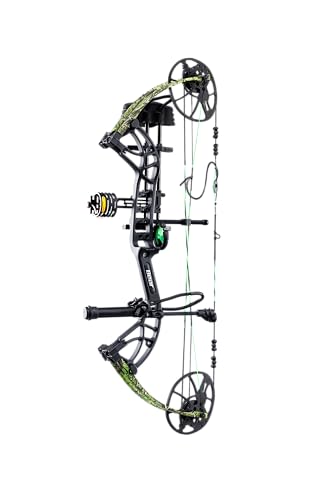


As an Amazon Associate we earn from qualifying purchases.