

Golf training aids can help you work on a specific part of your game without turning practice into guesswork. Some are built for full-swing feedback, while others focus on putting, alignment, tempo, or impact feel.
The main challenge is not finding a training aid, but finding one that matches the skill you actually want to improve. A simple tool that fits your practice routine is often more useful than a more complex option you will not use consistently.
If you are comparing options for the first time, it helps to think about your practice space, your main swing or putting goal, and how much feedback you want from the aid itself. Specifications vary by model, so always check the individual product page before buying.
Compare Golf Training Aids

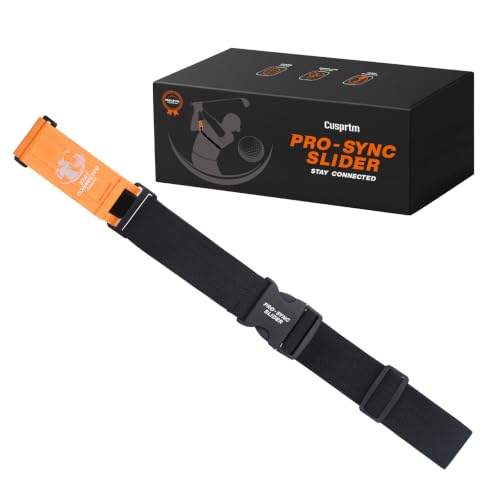


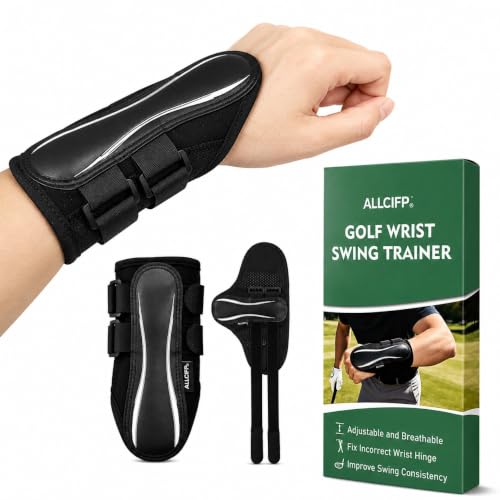

As an Amazon Associate we earn from qualifying purchases.
What should you look for in a golf training aid?
The best starting point is to match the aid to a single practice goal. Choose something that supports the part of your game you want to repeat, whether that is alignment, path, contact, tempo, or putting stroke. The most useful aid is usually the one you can use regularly with clear feedback and without a lot of setup friction.
The biggest trade-off is simplicity versus feedback. Very simple aids are easier to use and often more portable, but they may only support one skill. More feedback-focused aids can be helpful, but they may take more time to set up, interpret, and store.
| Feature | What It Means | Why It Matters | What To Check |
|---|---|---|---|
| Practice goal | The specific skill the aid is meant to support | Helps you avoid buying a tool that does not match your actual need | Look for alignment, tempo, putting, contact, or swing-path focus |
| Feedback style | How the aid shows what is happening in the motion | Determines how easy it is to understand and act on the information | Check whether feedback is visual, physical, or based on repetition |
| Setup effort | How much preparation the aid needs before practice | Busy golfers are more likely to use aids that are quick to deploy | Consider assembly, adjustment, and how often it must be reset |
| Portability | How easily the aid can be moved or stored | Important if you practice in different places or have limited space | Review size, folding design, and storage needs on the product page |
| Durability | How well the aid is likely to handle repeated use | Training tools may see frequent contact or handling | Look for construction details and any care guidance provided by the seller |
| Compatibility with your routine | Whether the aid fits the way you already practice | Even a useful aid will not help much if it is inconvenient to use | Check whether it suits indoor, outdoor, mat, or open-space practice |
Key decision criteria
Match the aid to the part of the game you want to improve
Golf training aids are not interchangeable. A putting aid and a swing aid solve different problems, and even within those groups, some tools focus on one narrow movement while others support a broader practice session. Start by identifying the one habit, motion, or result you want to improve.
Choose the amount of feedback you can actually use
Some aids give obvious visual cues, while others are designed to build feel through repetition. More feedback is not always better if it makes practice feel complicated or distracting. The best fit is the one you can understand quickly and use consistently.
Think about space and storage
Many golfers practice at home, in a garage, or in limited indoor space. In those situations, a compact tool may be more practical than a larger setup. If you plan to move the aid often, check how it stores and whether it needs a dedicated area.
Look for ease of use during short sessions
People often buy training aids with good intentions and then stop using them because setup takes too long. A tool that works well in ten-minute practice sessions may be more valuable than one that is technically more advanced but harder to bring out regularly.
Common product types and variants
Within golf training aids, the main differences are usually about the skill area and the form of feedback.
- Putting-focused aids: Useful for golfers who want to work on stroke path, start line, or consistency on short practice sessions. Their limitation is that they usually do not help with full-swing mechanics.
- Alignment-focused aids: Helpful for setting aim and body position during practice. They are often simple and portable, but they may not provide much direct feedback beyond setup.
- Swing-motion aids: Designed to support tempo, path, or sequencing. They can be useful for repetition, although the feedback may be less intuitive for beginners.
- Impact or contact aids: Intended to help with strike location or contact awareness. These are often best used as part of a wider practice routine rather than as a complete solution.
Which aid fits your situation?
| Buyer need | What usually matters most | Better fit | Trade-off to accept |
|---|---|---|---|
| Beginner trying to build basics | Clear guidance and simple setup | A straightforward aid with easy-to-read feedback | May be less detailed than a more advanced tool |
| Practice at home in a small space | Compact size and quick storage | A portable or low-profile aid | May offer fewer features than larger setups |
| Working on one repeatable motion | Focused feedback on a single skill | An aid matched to that exact practice goal | Won’t address every part of the game |
| Wanting to build a regular routine | Ease of use and low friction | A tool that is quick to set up and reset | May not provide the most advanced feedback |
| Buying as a gift | Broad usefulness and simple operation | A general-purpose or beginner-friendly aid | The recipient may already prefer a more specific tool |
Common mistakes and misunderstandings
- Buying too broad a tool: Some aids try to do everything. A more focused aid is often better if you already know the exact area you want to work on.
- Expecting instant improvement: A training aid can support practice, but it does not replace repetition and good habits.
- Ignoring your practice space: A good aid for a driving range may be awkward in a small indoor area, and vice versa.
- Choosing on complexity alone: More features are not automatically more useful. Simpler tools are sometimes easier to keep using.
Safety and suitability caveats
Check that the training aid is appropriate for the environment where you plan to use it. Some aids are better suited to indoor practice, while others may require more open space or a specific surface. If you are buying for a younger golfer or for shared use, review the product details carefully so the aid matches the intended user and practice setting.
Maintenance, storage, and lifespan considerations
Most golf training aids benefit from basic care such as cleaning after use, storing them dry, and keeping moving parts or soft materials from being crushed during storage. If an aid includes fabric, adhesive, flexible pieces, or setup components, those can affect how long it stays usable. A model that stores easily is often more likely to stay in regular use.
How to compare options efficiently
- Start with the exact skill you want to improve.
- Decide whether you want simple guidance or more detailed feedback.
- Check that the aid fits your practice space and routine.
- Compare setup effort, portability, and storage needs.
- Review the individual product page for model-specific details before buying.
Summary buyer decision checklist
- Does this aid match the specific part of your game you want to work on?
- Will the feedback be easy for you to understand and use?
- Is it practical for your available practice space?
- Will the setup fit the time you actually have to practice?
- Does the size and storage need make sense for your home or travel routine?
- Have you checked the individual product page for model-specific details?
Frequently asked questions
Are golf training aids only for beginners?
No. Many experienced golfers use training aids to isolate one part of their practice or to keep a motion consistent. The difference is usually in how specific the aid is and how often it is used, not in skill level alone.
Should I choose a putting aid or a swing aid first?
Pick the one that matches the most urgent problem in your game. If you spend most of your practice time on the greens, a putting aid may make more sense. If your main concern is full-swing mechanics, a swing-focused aid may be more useful.
Do more expensive aids always work better?
Not necessarily. A higher-priced aid may offer different materials, more features, or more detailed feedback, but that does not guarantee it will be more useful for your routine. The best choice is the one that fits your practice habits and your specific goal.
Can one training aid fix every part of my game?
Usually not. Most aids are designed to support a narrow aspect of practice. A focused tool can be very helpful, but broad improvement usually comes from using the right aid alongside regular practice.
Is portability important?
It is important if you plan to practice in different places or have limited storage space. A portable aid is easier to keep in use, while a larger setup may be better suited to a dedicated practice area.
What should I check before buying online?
Read the product page carefully for the intended use, setup needs, and any notes about size, storage, or surface requirements. It also helps to confirm that the aid matches your practice goal rather than just looking similar to another tool.
More Golf Training Aids
See all 38 Golf Training Aids →
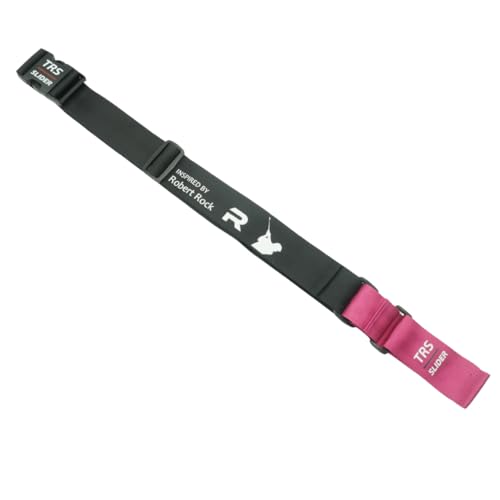


As an Amazon Associate we earn from qualifying purchases.