

Sleeping pad patches are a simple repair-category item, but the right choice depends on the material of the pad, the size and location of the damage, and how permanent you want the repair to be.
That makes this a practical buying decision rather than a one-size-fits-all purchase. A patch that works well on one pad surface may not bond well on another, and a small puncture may call for a different approach than a longer tear.
If you are replacing a lost repair piece or preparing a repair kit for trips, focus first on compatibility and ease of use. The rest of the choice is usually about whether you want a fast field fix, a more durable repair, or both.
Compare Sleeping Pad Patches


As an Amazon Associate we earn from qualifying purchases.
What should I look for in sleeping pad patches?
Start with compatibility, then compare ease of application and the kind of damage you need to address. For many buyers, the most important question is not which patch looks strongest, but which patch is appropriate for the sleeping pad material and repair situation. A smaller, simple puncture can be different from a seam edge, valve-area issue, or broader tear. Specifications vary by model, so always check the individual product page before buying.
| Feature | What It Means | Why It Matters | What To Check |
|---|---|---|---|
| Pad material compatibility | Whether the patch is intended for the surface your pad uses | Poor material matching can make the repair unreliable | Product description, intended materials, and any exclusions |
| Repair type | Patch, adhesive-backed repair, or other repair format | Different formats suit different damage and different levels of convenience | How the patch is applied and what kind of damage it is meant to cover |
| Repair size and shape | The amount of surface a patch can cover | The damaged area may need more overlap than a tiny patch can provide | Patch dimensions, shape, and whether multiple pieces are included |
| Use setting | Whether the repair is meant for home use, trail use, or both | Some buyers want a quick temporary fix, others want a more deliberate repair | Application steps, cure time, and portability |
| Included materials | Whether adhesive, prep materials, or multiple patches are included | A kit can be more convenient than buying a patch alone | What is in the package and whether extra supplies are needed |
| Finish and flexibility | How the repaired area may feel after application | A rigid repair may be fine in one location and inconvenient in another | Any notes about flexibility, texture, or recommended placement |
Key decision criteria
Compatibility comes first
The most important filter is whether the patch is appropriate for the pad’s surface material and construction. That matters because a patch that seems durable in general may still fail if it is not meant for the pad you own. Check the product page for the supported materials and any limitations before comparing other details.
Think about the kind of damage
Not every problem needs the same fix. Small punctures often call for a different style of repair than a longer slit or an area that flexes a lot when the pad is inflated. If the damage is near a seam, valve, or corner, pay extra attention to whether the patch is intended for that kind of location.
Decide between quick convenience and more deliberate repair
Some buyers want the easiest possible field repair, while others want the option to make a slower, more careful fix at home. The trade-off is usually speed versus control. A simple patch can be easier to carry, but a more involved repair approach may better suit a planned repair session.
Consider how the repaired pad will be used
If the sleeping pad is for camping, backpacking, or guest use, your tolerance for repair downtime may be different. For travel kits, compactness and simplicity often matter more than packaging extras. For home repairs, buyers may care more about coverage and how neat the finished repair is likely to be.
Common types and variants
Sleeping pad patches are usually better thought of by repair style than by highly specialized product types.
- Adhesive patches: Convenient for straightforward repairs and often easy to pack, but they still depend on material compatibility.
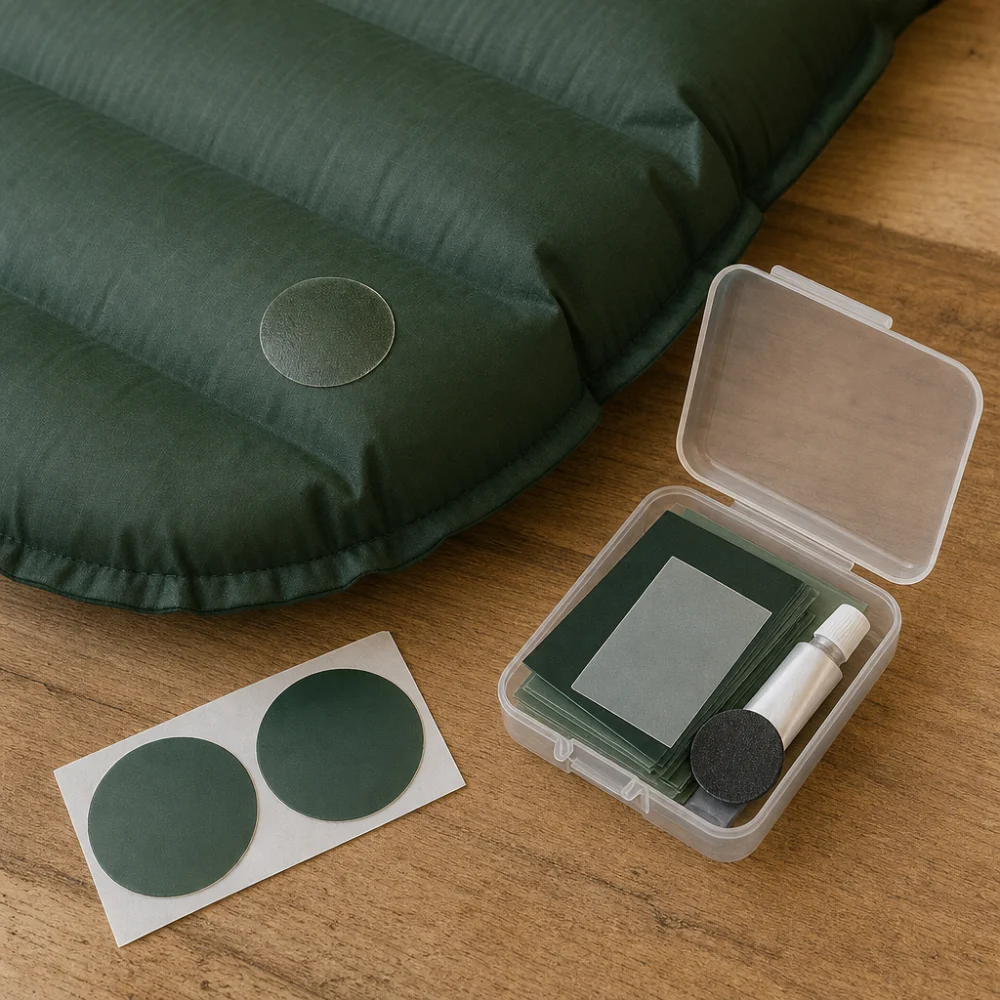
- Patch kits: Useful when you want multiple pieces or a more complete repair setup, though the exact contents vary.
- Targeted repair pieces: Helpful when you already know the size or style of repair you want, but they may offer less flexibility.
The main limitation across all of these is that they are only one part of the repair decision. Surface prep, pad material, and damage location all affect whether the patch is likely to suit the job.
Which buyer needs point to which features?
| Buyer need | Helpful features | Why that matters |
|---|---|---|
| Backpacker or traveler | Compact, simple repair format | Easier to pack and use when space matters |
| At-home repair buyer | More complete kit or multiple pieces | Gives more room to work through a careful repair |
| First-time buyer | Clear instructions and straightforward application | Reduces guesswork and helps avoid mismatched purchases |
| Owner of multiple pad types | Broad compatibility notes and flexible repair options | May reduce the chance of buying the wrong patch for a specific pad |
| Backup-kit shopper | Lightweight, easy-to-store patch solution | Useful when the goal is readiness rather than frequent use |
Common mistakes and misunderstandings
- Buying by patch shape alone: Shape matters less than whether the patch suits the pad material and the damage you need to cover.
- Assuming all repairs are interchangeable: A patch meant for one type of surface may not be a good match for another.
- Ignoring the repair location: A patch for a flat area may be less suitable near a seam, valve, or flex point.
- Overlooking what is included: Some buyers need only a patch, while others need adhesive or a fuller kit.
Safety and suitability caveats
Choose a patch only for the intended repair use and follow the product information for the specific pad material and repair scenario. If a pad has extensive damage, repeated failure, or damage in a critical area, a patch may not be the right solution. The practical question is whether the repair matches the product’s intended scope, not whether a patch can solve every problem.
Maintenance, storage and lifespan considerations
Repair patches are usually straightforward to store, but they still benefit from being kept clean, sealed, and protected from unnecessary wear. If adhesive is included, pay attention to any storage guidance on the individual product page so the repair materials remain usable when needed. A tidy repair kit is often easier to rely on than loose pieces kept in a pack pocket.
How to compare options efficiently
- Identify the pad material and the kind of damage you need to fix.
- Filter out patches that do not match the intended repair surface or repair type.
- Compare application style, included materials, and how portable the repair solution is.
- Think about whether you want a quick field fix or a more careful home repair.
- Check the individual product page for any limits, included contents, or use notes before buying.
Summary buyer decision checklist
- Does the patch match the sleeping pad material?
- Is it suitable for the kind of damage you are repairing?
- Do you want a simple patch or a fuller repair kit?
- Will the repair location need extra flexibility or coverage?
- Do you know what is included in the package?
- Have you checked the individual product page for any limits or use notes?
Frequently asked questions
Are sleeping pad patches the same as tent patches?
No. They may overlap in purpose as repair items, but they are not automatically interchangeable. A sleeping pad repair needs to suit the pad’s material and the way the pad flexes when used.
Do I need a patch kit or just a single patch?
That depends on whether you are fixing one known issue or want to keep extra repair pieces on hand. A kit can be more convenient if you expect to need more than one repair or want a more complete setup.
Can one patch work on every sleeping pad?
Usually not. Compatibility is one of the most important buying checks, because the wrong match can make the repair less reliable. Always compare the patch’s intended use with the pad’s material and construction.
Is a field repair the same as a permanent repair?
Not necessarily. Some patches are chosen for quick, temporary help, while others are better suited to a more deliberate repair. The product page should make clear how the repair is meant to be used.
What matters more: patch size or patch material?
Both matter, but for different reasons. Material compatibility affects whether the patch is appropriate at all, while size affects whether it can cover the damaged area adequately.
Should I buy patches before I need them?
Many buyers do, especially if they want a repair option ready for travel or camping. Having the right patch on hand can make it easier to deal with a small puncture without rushing into a poor match.
More Sleeping Pad Patches
See all 81 Sleeping Pad Patches →


As an Amazon Associate we earn from qualifying purchases.