

Hitch bike racks are a common choice for drivers who want to carry bicycles without lifting them onto a roof or hanging them from a trunk. They can be a practical fit for commuters, families, and riders who transport heavier bikes or use their rack often.
Choosing one usually comes down to the hitch receiver, the number and style of bikes you need to carry, and how much access you want to the rear of the vehicle. The details matter because two racks that look similar can differ in stability, loading style, and how easy they are to use day to day.
Specifications vary by model, so always check the individual product page before buying.
Compare Hitch Bike Racks


As an Amazon Associate we earn from qualifying purchases.
What should I look for in a hitch bike rack?
Start with compatibility, then compare the rack style, carrying capacity, and how the rack folds, tilts, or locks. The best starting point is the combination of your vehicle’s hitch setup and the bikes you plan to carry, because those two factors rule out a lot of mismatches early. After that, focus on how often you will load the rack and whether you care more about easy access, compact storage, or simpler installation.
| Feature | What It Means | Why It Matters | What To Check |
|---|---|---|---|
| Hitch compatibility | The rack must fit the receiver size and attachment setup on the vehicle. | A mismatch can make the rack unusable or unstable. | Receiver size, required adapter use, and any vehicle-specific limits. |
| Bike-carrying style | The rack may support bikes by frame, wheel, or a platform-style tray. | The style affects loading ease and how the bike is held during travel. | How the bike is secured and whether it suits your frame and wheel setup. |
| Bike count and spacing | How many bikes the rack is designed to hold and how the bikes are separated. | More bikes can mean less space between them and more chance of contact. | Number of bikes, arm spacing, and whether larger bikes may interfere with each other. |
| Access to the rear of the vehicle | Some racks tilt or swing to allow tailgate, hatch, or trunk access. | Useful if you need the cargo area without removing the rack. | Whether the rack has a tilt or swing feature and how it operates. |
| Storage and handling | How bulky the rack feels when installed, removed, or stored. | Important if you take the rack on and off often. | Foldable sections, overall size when not in use, and how much lifting is involved. |
| Security features | Ways to help keep the rack and bikes attached to the vehicle. | Can reduce easy theft opportunities when parked. | Lock points, locking hardware, and whether locks are included. |
Key decision criteria
Vehicle and hitch fit
The first filter is whether the rack matches the hitch receiver on your vehicle. That includes size, attachment method, and any restrictions from the vehicle or rack design. If you are unsure, check the product page carefully and compare it with your vehicle’s hitch setup before anything else.
How many bikes you carry
A rack built for one or two bikes may be easier to handle, while larger-capacity racks can suit families or group rides. The trade-off is that more bike positions can mean more weight, more complexity, and less clearance between bikes. If you regularly carry wider handlebars, different frame shapes, or mixed bike sizes, spacing matters as much as raw capacity.
Loading style and bike protection
Some racks hold the bike by the frame, while others support the wheels. A platform-style setup can be convenient for many modern bikes, while frame contact may be less suitable for certain frame shapes or accessories. The main question is not which style is universally better, but which one works with the bikes you actually own.
Access, folding, and tilt features
If you use the rear cargo area often, a rack that tilts or otherwise allows access can save a lot of hassle. Folding arms or compact stowaway designs may also matter if the rack stays on the vehicle between trips. These features are helpful, but each adds moving parts, so compare how intuitive the rack seems to use.
Weight and day-to-day handling
Heavier racks can feel more solid, but they may be harder to install, remove, or store. Lighter racks may be easier to manage, though the overall feel and support can vary widely by design. Think about how often you will move the rack and whether one person will handle it alone.
Common hitch rack types
Hitch bike racks are usually compared by how the bike is held and how the rack interacts with the vehicle. That difference affects loading speed, bike contact, and convenience more than the rack’s appearance.
- Platform-style racks: The bike sits on trays or supports. These are often chosen for easier loading and better separation between bikes.
- Frame-hanging racks: The bike is supported by hanging points or arms. These can be simpler in some cases, but frame shape and bike contact become more important.
- Tilting racks: These are designed to move out of the way so you can reach the rear of the vehicle more easily.
- Foldable or swing-away designs: These may reduce bulk or improve access, but the added mechanism should be checked for convenience and fit.

Which type fits which buyer?
| Buyer need | What to prioritize | Main trade-off |
|---|---|---|
| Solo rider | Simple installation, easy storage, and the right hitch fit. | Smaller racks may be more convenient but less flexible later. |
| Family use | Bike count, spacing, and a loading style that reduces bike-to-bike contact. | More capacity usually means more bulk and more setup effort. |
| Frequent travel | Quick loading, access to the vehicle rear, and secure attachment points. | Convenience features can add weight and complexity. |
| Mixed bike sizes | Adjustable spacing and a design that handles different frame or wheel shapes. | More adjustability may require more setup time. |
| Storage-limited household | Foldability, manageable weight, and compact dimensions when removed. | Smaller storage footprint can limit maximum carrying flexibility. |
Common mistakes and misunderstandings
- Choosing by bike count alone: Capacity matters, but spacing and loading style matter too.
- Ignoring hitch compatibility: A rack can look right and still be a poor fit for the receiver or vehicle setup.
- Overlooking rear access: If you need the hatch or cargo area often, tilt or swing access can matter a lot.
- Assuming every bike fits the same way: Frame shapes, wheel sizes, and accessories can affect how well a rack works.
- Forgetting storage needs: Some racks are easy to live with on trips but awkward to keep at home between uses.
Safety and suitability caveats
A bike rack should be chosen with the vehicle, hitch, and bikes in mind, not just the photos. Make sure the rack’s stated use matches your vehicle setup and the style of bicycle you plan to carry. If a product page leaves a compatibility question unanswered, treat that as a reason to keep comparing rather than guessing.
Maintenance, storage, and long-term use
Most hitch bike racks benefit from occasional cleaning, inspection, and careful storage when not in use. Moving joints, contact points, and locking parts may need more attention than a simple fixed design, especially if the rack is exposed to weather. If you plan to remove the rack often, think ahead about where it will live at home and how much effort that routine will take.
How to compare options efficiently
- Confirm your vehicle’s hitch receiver and how the rack attaches.
- Decide how many bikes you need to carry and how often.
- Compare loading style, spacing, and rear-access features.
- Check storage, weight, and how easy the rack is to handle alone.
- Review the individual product page for the exact fit, limits, and included hardware.
Summary buyer decision checklist
- Does the rack fit your hitch setup?
- Does it carry the number and type of bikes you own?
- Is the loading style convenient for your routine?
- Will you still be able to access the rear of the vehicle as needed?
- Is the rack manageable to install, remove, and store?
- Have you checked the individual product page for exact compatibility details?
Frequently asked questions
Are hitch bike racks easier to use than roof racks?
They often are for loading and unloading because the bikes sit lower. That can be especially helpful with heavier bikes or repeated use. The trade-off is that they occupy the rear of the vehicle and may affect access to the cargo area.
Do I need a tilting hitch rack?
Not always, but it is useful if you often need the hatch, trunk, or rear door while the rack is installed. If you rarely access the back of the vehicle, a simpler fixed rack may be enough. The right answer depends on how you use the vehicle between rides.
What matters more: bike capacity or spacing?
Both matter, but spacing is easy to overlook. A rack can list a useful capacity and still be inconvenient if handlebars, pedals, or frames interfere with each other. Check how the rack handles the bikes you actually ride, not just the number it can carry.
Can one hitch bike rack work for different bike styles?
Sometimes, but not always equally well. Mixed bike types can create fit and clearance issues, especially when the bikes vary in size or shape. Specifications vary by model, so always check the individual product page before buying.
Is a heavier rack always better?
Not necessarily. Extra weight can sometimes feel sturdier, but it also makes the rack harder to move and store. A good match is one that balances handling, convenience, and the kind of use you expect.
What should I check first on the product page?
Start with hitch fit, bike count, loading style, and access features. Those four details usually determine whether a rack is practical for your vehicle and your routine. After that, look at storage and any security features that matter to you.
More Hitch Bike Racks
See all 94 Hitch Bike Racks →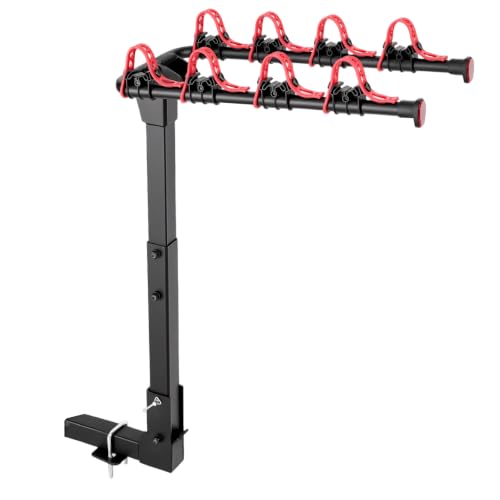


As an Amazon Associate we earn from qualifying purchases.