

Bicycle transport cases are for riders who need to move a bike with less exposure to impacts, dirt, and awkward handling than a soft bag or bare frame might provide. They are most useful for travel, storage, or any situation where you want more structure around the bike during transport.
The right choice depends on how often you travel, how much protection you want, and how much weight or bulk you are willing to manage. Some buyers prioritize easier packing and lighter carrying; others care more about a rigid shell and clearer separation between bike parts.
This guide focuses on the buying decisions that matter most, so you can compare cases without overpaying for features you do not need.
Compare Bicycle Transport Cases




As an Amazon Associate we earn from qualifying purchases.
What should I look for in a bicycle transport case?
Start with the level of protection you need, then balance that against weight, size, and ease of packing. A more protective case often takes up more room and can be harder to handle, while a simpler case may be easier to move but offer less separation between parts. The best starting point is to match the case to your bike, your travel method, and how often you will use it.
Specifications vary by model, so always check the individual product page before buying.
| Feature | What It Means | Why It Matters | What To Check |
|---|---|---|---|
| Protection level | How much structure the case provides around the bike | Affects how well the bike is isolated from bumps and handling during transport | Case construction, padding, and how parts are separated inside |
| Size and fit | Whether the case can accommodate your bike as packed | Fit determines whether the bike can be packed safely and efficiently | Compatibility notes, packed dimensions, and any bike-disassembly requirements |
| Weight and portability | How heavy and easy the case is to move | Important if you must carry the case through stations, parking areas, or airports | Overall carry method, handles, and whether wheels or straps are included |
| Ease of packing | How simple it is to load, secure, and unpack the bike | Can save time and reduce frustration if you travel often | Access points, internal tie-downs, and how much setup the case requires |
| Storage footprint | How much room the case uses when not in travel | Matters for apartment storage, garage space, or frequent home use | Foldability, rigid shape, and where you plan to keep it between trips |
Key decision criteria
Protection versus convenience
More structure usually means better peace of mind, but it can also mean more weight and less flexibility. If you travel only occasionally, a simpler case may be easier to live with. If you move a bike often or want a more controlled packing setup, structure becomes more important.
Bike fit and disassembly needs
Some cases are easier to use with bikes that can be partially disassembled for transport. Others are designed around a more specific packing shape. Check whether the product expects wheel removal, handlebar adjustment, or other preparation before buying, because that affects both setup time and the tools or skills you may need.
Portability and handling
A case that protects well but is awkward to carry can become frustrating quickly. Look for practical details such as balanced handles, rolling support where relevant, and a shape that fits the places you actually need to move through. The trade-off is simple: more transport-friendly features can add weight or bulk.
Interior organization
How the bike sits inside the case matters as much as the outside shell. Internal separation, padding, and tie-down points can reduce shifting and make packing more predictable. If you plan to travel with accessories as well, check whether the case has space for them or whether those items need separate packing.
Storage and reuse
If the case will live in a small space between trips, its footprint matters almost as much as its protection level. Buyers who travel regularly may also want a case that is straightforward to repack the same way each time. That can reduce mistakes and make repeat use less stressful.
Common types and variants
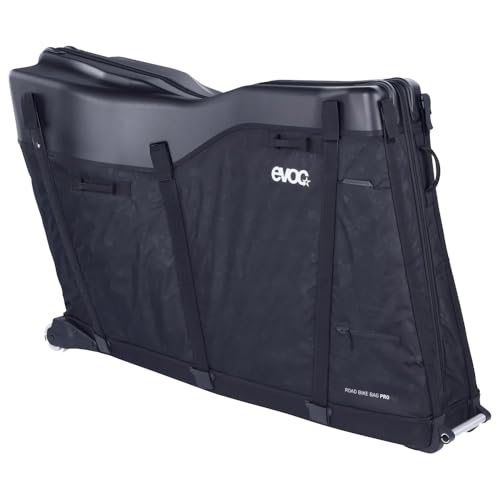
Bicycle transport cases generally fall into a few practical categories based on how much structure they provide and how they are meant to be used.
- Rigid cases offer the most structure and are often chosen when maximum protection matters more than compact storage.
- Semi-rigid cases try to balance protection with easier handling and may suit riders who travel sometimes but do not want a heavy hard case.
- Soft-sided transport bags are usually easier to store and carry, but they may rely more on careful packing and internal padding.
The main limitation of any lighter or more compact option is that it usually asks more of the packing process. The main limitation of a more rigid option is usually bulk. Your best choice depends on which inconvenience you would rather manage.
Which type fits different buyer needs?
| Buyer need | What to prioritize | Why it helps |
|---|---|---|
| Frequent traveler | Ease of packing, portability, and repeatable setup | Reduces hassle when the case is used often |
| Protection-first buyer | Structure, padding, and internal separation | Helps limit movement and contact between packed parts |
| Small-space owner | Storage footprint and handling when not in use | Makes the case easier to keep at home between trips |
| Occasional user | Straightforward packing and reasonable storage impact | Avoids paying for complexity that may not get much use |
| Accessory packer | Interior organization and available extra space | Helps keep related items together without overstuffing the case |
Common mistakes and misunderstandings
- Choosing by protection alone. A very protective case may be more than you need if it is hard to carry or store. Compare the full set of trade-offs.
- Assuming every bike will fit the same way. Fit can vary with bike shape and packing requirements, so check the product page carefully.
- Overlooking setup effort. Some cases are simple to use, while others require more preparation before each trip.
- Forgetting about home storage. A case that works well on the road can still be inconvenient if it takes over your closet or garage.
- Ignoring accessory storage needs. If you want to pack pedals, tools, or other items with the bike, confirm how the interior is arranged.
Safety and suitability caveats
A bicycle transport case can help with organization and protection, but it does not remove the need to pack the bike carefully and check that the case suits your specific bike type. Pay attention to any product-page notes about packing method, disassembly, and what is or is not included. If you are traveling, it is also wise to confirm the rules of the transport provider separately, since case design alone does not determine acceptance.
Maintenance, storage and lifespan considerations
Care needs are usually practical rather than complicated. A transport case may need basic cleaning after dusty rides or travel, and it should be stored where its shape and closures are not stressed. If the case uses straps, zippers, padding, wheels, or other moving parts, check those details before repeated use and make sure they suit how often you plan to travel.
How to compare options efficiently
- Decide how often you will use the case and how much protection you want.
- Check whether the case fits your bike packing style and any disassembly you are comfortable with.
- Compare portability, weight, and storage footprint against the protection level.
- Look at internal organization and how securely the bike can be held in place.
- Read the individual product page carefully for the exact fit notes and included features.
Summary buyer decision checklist
- Does the case suit your bike and packing approach?
- Is the protection level appropriate for your travel needs?
- Can you carry and store it without frustration?
- Does the interior layout support stable packing?
- Are the setup and disassembly steps manageable for you?
- Have you checked the individual product page for exact details?
Frequently asked questions
Is a bicycle transport case better than a soft bag?
Not always. A case with more structure can offer more protection and a more controlled packing experience, while a softer option is often easier to store and move when not in use. The better choice depends on whether you value protection or convenience more.
How do I know if my bike will fit?
Start with the product page notes about fit and packing method. Look for any information about disassembly needs, internal dimensions, or bike types the case is intended to suit. Because specifications vary by model, always check the individual product page before buying.
Do I need a hard case for air travel?
That depends on your comfort level, the bike you are transporting, and the rules of the transport provider. Some riders prefer a more rigid case for extra structure, while others choose a lighter option for easier handling. The best answer is the one that matches both your trip and your packing habits.
Can I store accessories inside the case too?
Sometimes, but not always with enough room to do it neatly. If you plan to pack shoes, tools, pedals, or other items, check how much interior space is available and whether the layout supports separate organization.
What matters more, shell type or internal padding?
Both matter. The outer shell or structure affects how much the case resists outside pressure, while the interior layout affects whether the bike stays put once packed. A case works best when both parts are considered together.
How important is portability if I only travel a few times a year?
It is still important, but maybe not as important as fit and protection. If the case will spend most of its life in storage, you may be willing to accept more bulk in exchange for better structure. If you will move it through busy places, handling becomes more important.
What should I check before the first trip?
Confirm that the bike fits as expected, that all needed packing steps are manageable, and that the case closes securely without forcing anything. It is also smart to understand how you will carry or move it before you leave home.
More Bicycle Transport Cases
See all 88 Bicycle Transport Cases →


As an Amazon Associate we earn from qualifying purchases.