

Front bike racks are a practical way to carry bags, baskets, or other cargo on the front of a bike. They can be useful for commuting, errands, short tours, and riders who want easier access to what they are carrying.
The right choice depends less on the rack alone and more on your bike, your fork, and the kind of load you want to carry. Some setups are built for lighter everyday use, while others are intended for steadier load support on longer rides.
Because front cargo changes steering feel more than rear cargo usually does, buyers often do best by starting with fit and intended use, then narrowing down the style of rack.
Compare Front Bike Racks


As an Amazon Associate we earn from qualifying purchases.
What should you look for in a front bike rack?
Start with compatibility, load type, and how the rack will affect handling. A front rack that fits your bike well and matches your carrying needs is usually a better choice than one chosen only for its appearance or general capacity. Specifications vary by model, so always check the individual product page before buying.
| Feature | What It Means | Why It Matters | What To Check |
|---|---|---|---|
| Mounting style | How the rack attaches to the fork, frame, or axle area | Determines whether the rack will fit your bike and stay secure | Brake type, fork mounts, axle style, and clearance around the wheel |
| Load purpose | Whether the rack is meant for bags, a basket, or light cargo | Different cargo shapes need different support and attachment points | Whether you plan to use panniers, a platform, or a basket-style load |
| Weight balance | How the load affects steering and front-end feel | Front cargo can make steering feel heavier or less lively | How much cargo you expect to carry and how often |
| Wheel and fork clearance | Space around the tire, brake calipers, and fork legs | Clearance problems can prevent proper installation | Tire size, fork shape, brake placement, and accessory interference |
| Accessory compatibility | Whether the rack works with baskets, panniers, or other add-ons | Not every rack supports every cargo setup | Attachment points, deck shape, and any stated compatibility notes |
Key decision criteria
Compatibility with your bike
The first question is whether the rack can physically mount to your front end. Some bikes have dedicated fork mounts, while others have limited attachment options. If your bike uses disc brakes, thru-axles, or unusual fork shapes, pay close attention to the product page and mounting details.
The kind of cargo you want to carry
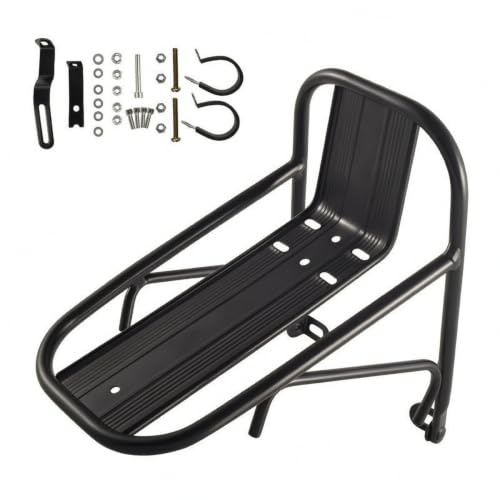
A front rack for panniers is not the same as a front platform for a basket or box. Think about the shape of the load, not just the total weight. A stable, flat platform may suit grocery runs, while a rack designed around bags may be better for compact daily carry.
Handling and ride feel
Front cargo can change the way a bike steers, especially when the load is heavy or placed high. Riders who value nimble handling often prefer a simpler or lighter setup, while riders who prioritize carrying convenience may accept a steadier feel at the bars. The best match depends on how much front load you expect and how sensitive you are to steering changes.
Ease of loading and access
Front-mounted cargo is easier to see and reach, which can be convenient for frequent stops. That also means the rack should be easy to use without interfering with cables, lights, or your hands while riding. A practical design can matter more than a more complex one with extra features you may not need.
Types and variants within this category
Front bike racks generally fall into a few useful styles. Each one suits a different kind of riding and cargo.
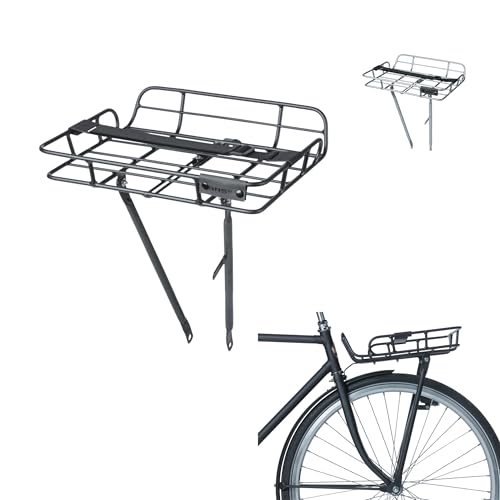
- Platform-style racks: Useful when you want a flatter carrying surface for boxes, crates, or other stable loads. Their limitation is that they may not suit every frame or fork setup.
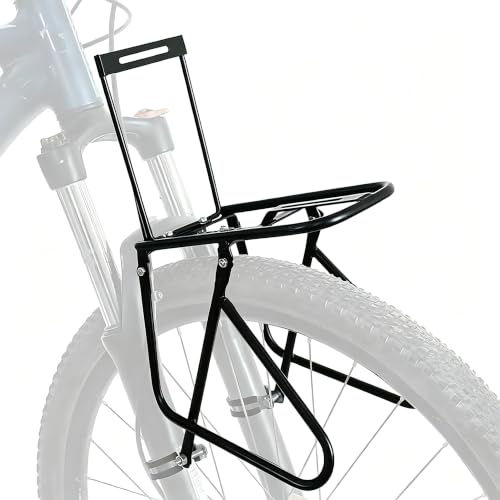
- Pannier-compatible racks: Helpful for riders who want bags hung lower on the front end. Their limitation is that bag clearance and wheel spacing need careful checking.
- Light-duty commuter racks: Good for everyday errands and smaller loads. Their limitation is that they may not be the right choice for heavier touring-style use.
Which front rack suits which rider?
| Buyer need | What to prioritize | Why |
|---|---|---|
| Daily commuting | Easy loading, secure mounting, practical cargo access | You may value convenience and predictable handling more than maximum carrying flexibility |
| Grocery or errand use | Stable platform, basket compatibility, simple tie-down options | Odd-shaped items are easier to manage on a steady front setup |
| Light touring | Balanced load support and secure attachment | Longer rides benefit from a rack that stays stable under repeated use |
| Minimal setup | Simple design and basic compatibility | A straightforward rack can be easier to install and live with day to day |
Common mistakes and misunderstandings
Choosing by rack style before checking fit: A rack can look right but still fail to mount cleanly on your bike. Fit should come first.
Assuming all front racks handle the same kind of cargo: A basket load, pannier load, and strapped-down package place different demands on the rack. Match the rack to the shape of what you plan to carry.
Ignoring steering feel: Front cargo is not just a storage issue. Even a practical load can change how the bike responds at low speed or when turning.
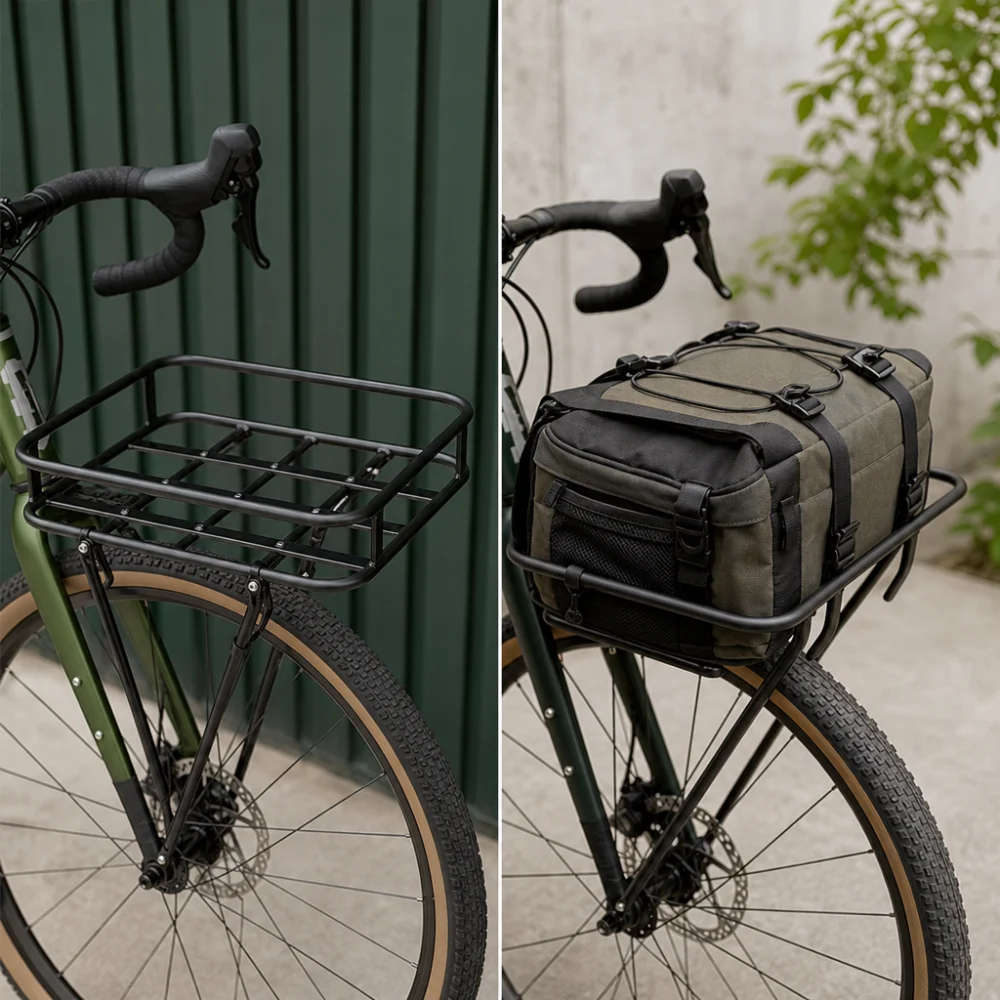
Overlooking clearance details: Brake parts, tire size, and fork shape can all affect compatibility. Small clearance issues are often the difference between a good fit and a poor one.
Safety and suitability caveats
Front bike racks should be chosen with the bike and the intended cargo in mind. Do not assume a rack designed for one fork, brake type, or wheel setup will fit another without checking the product information carefully.
If you expect to carry awkward, heavy, or frequently shifting loads, favor a more secure and stable setup over convenience alone. Keep in mind that front cargo can affect steering and balance, especially when the bike is standing still or moving slowly.
Maintenance, storage, and everyday ownership
Most front racks are low-maintenance, but regular checks still matter. Look for loosened hardware, wear at mounting points, and signs that cargo attachment points are getting stressed. If the rack will be used in wet or dirty conditions, occasional cleaning can help it stay in better condition.
Storage matters too. If you remove the rack seasonally or between uses, keep the hardware organized so reinstallation is simpler. For any rack that depends on bolts, adapters, or accessories, keeping the full mounting set together can save time later.
How to compare options efficiently
- Confirm your bike’s front-end compatibility and likely mounting points.
- Decide what you will carry most often: bags, basket loads, or mixed cargo.
- Compare how each rack affects stability, access, and steering feel.
- Check the clearance and attachment details on the individual product page.
- Choose the simplest option that suits your real use instead of adding features you will not need.
Summary buyer decision checklist
- Does the rack match your fork, axle, brake setup, and clearance needs?
- Is it suited to the kind of cargo you plan to carry?
- Will the load placement feel manageable for your riding style?
- Does it work with any basket, bag, or accessory you already use?
- Is the mounting system simple enough for regular use?
- Have you checked the individual product page for model-specific details?
Frequently asked questions
Will any front bike rack fit any bike?
No. Front racks vary widely in how they mount and what fork or axle setups they support. The main job is to match the rack to your bike’s front end, not just to pick the style you like.
Is a front rack better than a rear rack?
Neither is universally better. Front racks can make cargo easier to reach and keep the rear of the bike freer, while rear racks often carry weight with less effect on steering. The better choice depends on your bike, your load, and how you like the bike to feel.
Can I use a front rack for grocery runs?
Yes, if the rack is appropriate for the shape and weight of the items you plan to carry. A platform or basket-compatible design is often easier for mixed grocery loads than a rack meant mainly for bags.
Do front racks affect handling?
They can. The more weight you carry on the front, the more the steering may feel different, especially at low speed or when starting and stopping. That does not make front racks a bad choice, but it does make the load check more important.
Should I choose the lightest rack available?
Not automatically. A very light rack may be fine for modest everyday use, but fit, stability, and cargo compatibility usually matter more than chasing the lowest weight alone. Choose the simplest rack that still suits your load and mounting needs.
What should I check on the product page before buying?
Check mounting type, compatibility notes, the kind of cargo the rack is intended for, and any clearance or accessory limitations. Specifications vary by model, so always check the individual product page before buying.
Do I need extra accessories with a front rack?
Sometimes, depending on the rack and the cargo. Some setups work well on their own, while others may need a basket, bag, adapter, or hardware that is not included with the rack itself.
More Front Bike Racks
See all 81 Front Bike Racks →


As an Amazon Associate we earn from qualifying purchases.