

Bike shifters are the controls you use to change gears, so the right choice depends on how your bike is set up and how you like to ride. A shifter can feel simple on the surface, but compatibility and control style matter a lot.
This guide helps you compare the main buying factors without turning the decision into guesswork. It is especially useful if you are replacing worn parts, upgrading controls, or matching a shifter to an existing drivetrain.
Because shifters work as part of a larger drivetrain system, the most useful purchase decision is usually not “what looks good,” but “what matches the rest of the bike and how I want it to feel.”
Compare Bike Shifters


As an Amazon Associate we earn from qualifying purchases.
What should you look for when choosing bike shifters?
The best starting point is compatibility: the shifter must work with your drivetrain, handlebar setup, and intended use. After that, compare the shifting style, number of gears, ergonomics, and how much hardware you need to replace at once. A smooth-feeling shifter is useful, but only if it matches the rest of the system.
Specifications vary by model, so always check the individual product page before buying.
| Feature | What It Means | Why It Matters | What To Check |
|---|---|---|---|
| Compatibility | Whether the shifter works with your derailleur and drivetrain setup | A mismatch can prevent proper shifting | Drivetrain type, speed count, and intended use |
| Shift style | How the gears are changed at the handlebar | Affects comfort, speed of shifting, and feel | Trigger, twist, or brake-lever style where applicable |
| Number of gears | How many rear or front positions the shifter is made to control | Must align with the rest of the drivetrain | Matching count across shifter, cassette, chain, and derailleur system |
| Ergonomics | How the control fits your hand and reaches your thumb or fingers | Matters for comfort on longer rides | Lever shape, reach, and whether you can operate it comfortably |
| Mounting and controls | How the shifter attaches to the handlebar and whether it shares space with brakes or grips | Impacts fit and setup simplicity | Handlebar diameter, clamp style, and control layout |
| Intended riding style | Whether it is aimed at road, mountain, touring, or casual riding use | Different use cases prioritize speed, control, or durability differently | Application notes and the kind of bike it is designed for |
Key decision criteria
Compatibility comes first
Shifters do not work in isolation. The most important question is whether the shifter matches your derailleur system and the rest of the drivetrain. If you are replacing only one part, check the exact setup carefully so you do not buy a part that feels close but does not index correctly.
Shift feel and control style
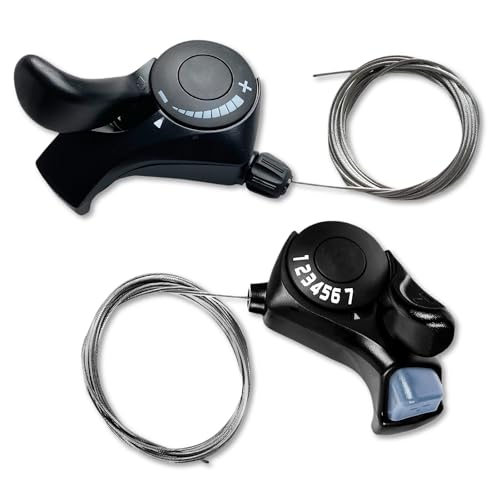
Different shifters can feel more thumb-driven, finger-driven, or rotary in use. The right choice is often about preference and riding position as much as about performance. If you ride in gloves, in traffic, or on rough surfaces, easier-to-find controls may matter more than a compact shape.
Handlebar fit and hand comfort
Comfort matters because shifting should be easy to reach without forcing your hand position. Pay attention to how the shifter sits with your grips, brake levers, or cockpit setup. Small fit issues can become annoying if you ride often.
How much of the system you are changing
Sometimes a shifter replacement is straightforward, but sometimes it makes sense only when paired with other drivetrain parts. If your bike has been updated over time, the current parts may not all belong to the same system. That is why it helps to compare the shifter against the whole drivetrain, not just the old control it replaces.
Common bike shifter types and variants
Shifters are usually grouped by the way they are operated and the kind of bike they are designed for.
- Trigger-style shifters: Often chosen for bikes where quick, deliberate gear changes are important. They can be a good fit for riders who want a familiar lever-based control.
- Twist shifters: These change gears by rotating the grip area. They may suit riders who prefer a simple hand motion, but the feel is different from lever-style controls.
- Integrated controls: Some bikes combine shifting and braking controls in one area. These are more specific to certain handlebar and drivetrain setups and should be matched carefully.
The main limitation is that a type can feel intuitive on one bike and awkward on another, especially if your handlebars, braking setup, or riding position are different from what the shifter was designed around.
Which shifter features matter most for different buyers?
| Buyer need | What to prioritize | Why it helps |
|---|---|---|
| Replacement for an existing setup | Exact compatibility with the current drivetrain | Reduces the risk of buying something that does not shift correctly |
| Comfort-focused riding | Easy reach, clear lever action, and a comfortable grip position | Makes frequent shifting less tiring |
| Simple, low-fuss use | A familiar control style and straightforward installation fit | Helps the bike feel easy to use day to day |
| Upgrade-minded rider | Ergonomics, shift precision, and how the control suits the rest of the cockpit | Improves the ride only if the whole system still matches |
| Mixed-use riding | Durable feel and an operating style that works in varied conditions | Supports use across commuting, exercise, or leisure rides |
Common mistakes and misunderstandings
- Assuming all shifters are interchangeable: The shape may look similar, but drivetrain matching is what matters most.
- Replacing only one part without checking the system: A new shifter may not solve shifting issues if another drivetrain part is worn or mismatched.
- Choosing by appearance alone: A cleaner-looking control is not automatically the better fit for your bike or hands.
- Ignoring handlebar setup: Even a compatible shifter can be awkward if it does not suit the available space or control layout.
Safety and suitability caveats
Bike shifters are a usability and compatibility purchase, so the main risk is buying the wrong part rather than choosing the wrong style. Check that the shifter suits your bike type, handlebar layout, and drivetrain before ordering. If you are unsure about a bike with mixed or older components, it is better to verify the full setup than to assume a near-match will work.
Maintenance, storage and lifespan considerations
Shifters generally benefit from normal bike care: keeping the bike clean, checking that cables or housing are in good condition where applicable, and storing the bike in a dry place when possible. Wear in the surrounding drivetrain can affect how well a shifter feels, so a poor shift may not be caused by the shifter alone. When you compare options, think about how easy the control is to keep in good condition alongside the rest of the bike.
How to compare options efficiently
- Identify whether you are replacing an existing shifter or choosing a new setup from scratch.
- Check drivetrain compatibility first, including the speed count and related parts.
- Compare the shift style and ergonomics for the way you actually ride.
- Look at the mounting fit and whether the control layout works with your handlebars and brakes.
- Read the individual product page carefully before deciding.
Summary buyer decision checklist
- Does the shifter match your drivetrain setup?
- Does the shifting style suit your hands and riding position?
- Will it fit your handlebar and control layout comfortably?
- Are you replacing one part or updating more of the drivetrain?
- Have you checked the individual product page for the exact model details?
Frequently asked questions
Are bike shifters universal?
No. Some may look similar, but drivetrain compatibility matters more than appearance. Check the shifter against the rest of your bike rather than assuming any control will work.
Can I replace just the shifter?
Sometimes, yes, especially if the rest of the drivetrain is in good shape and the new part matches properly. If shifting problems come from wear elsewhere, replacing only the shifter may not solve the issue.
What is the difference between trigger and twist shifters?
Trigger-style shifters use levers, while twist shifters change gears by rotating part of the grip area. The better choice depends on comfort, familiarity, and how your handlebars are set up.
Do I need to match the shifter to the exact number of gears?
Yes, that is usually one of the most important checks. The shifting system needs to align with the drivetrain count and related components for proper operation.
Are more expensive shifters always better?
Not necessarily. A more advanced control may offer a different feel or better finish, but the right choice is the one that fits your bike and riding needs. Compatibility matters more than price alone.
How do I know if a shifter will fit my handlebars?
Check the mounting style and the space available on your bars, especially if you already have grips, brake levers, or other controls installed. If the layout is crowded, fit can matter as much as drivetrain matching.
What if my bike has older or mixed parts?
Then it is especially important to verify the full drivetrain setup before buying. Mixed systems can be less straightforward than a standard replacement, so the individual product details are worth reviewing closely.
Indexed and friction shifting: what is the difference?
Indexed shifters move through set positions intended to correspond to individual gears. Friction shifters let the rider position the control along a continuous range, so they do not rely on the same set of indexed stops. Check which style a product uses and whether it is intended for your derailleur setup; the word “friction” alone does not establish compatibility.
Front and rear shifter roles
On bikes with more than one front chainring, the front shifter controls the front derailleur, while the rear shifter controls the rear derailleur. Some bikes have no front derailleur and use only a rear shifter. When replacing a control, confirm which derailleur it is meant to operate and the drivetrain configuration, rather than relying on a gear-count label by itself.
More Bike Shifters
See all 103 Bike Shifters →


As an Amazon Associate we earn from qualifying purchases.